
Get airbnb market data right
Start Airbnb Market Data with the constraint that matters most in real life: space, timing, budget, skill level, maintenance, or availability. That first constraint should shape the rest of the plan instead of appearing as an afterthought. Keep the first pass simple enough to verify. Compare the main options against the same criteria, remove choices that only work in ideal conditions, and save optional upgrades for later.
The simplest way to use this section is to write down the real constraint first, compare each option against it, and choose the path that still works outside ideal conditions.
Work through the steps
Airbnb Market Data works best as a clear sequence: define the constraint, compare the realistic options, test the tradeoff, and choose the path with the fewest hidden costs. That order keeps the advice usable instead of decorative. After each step, pause long enough to check whether the recommendation still fits the reader's actual situation. If it depends on perfect timing, unusual access, or a best-case budget, include a simpler fallback.
Fix common mistakes in rental analytics
Data is only useful if you are looking at the right numbers. Many hosts make decisions based on surface-level metrics that hide the real health of their business. Ignoring these blind spots leads to poor pricing strategies, wasted maintenance budgets, and lower occupancy rates.
Ignoring comp set accuracy
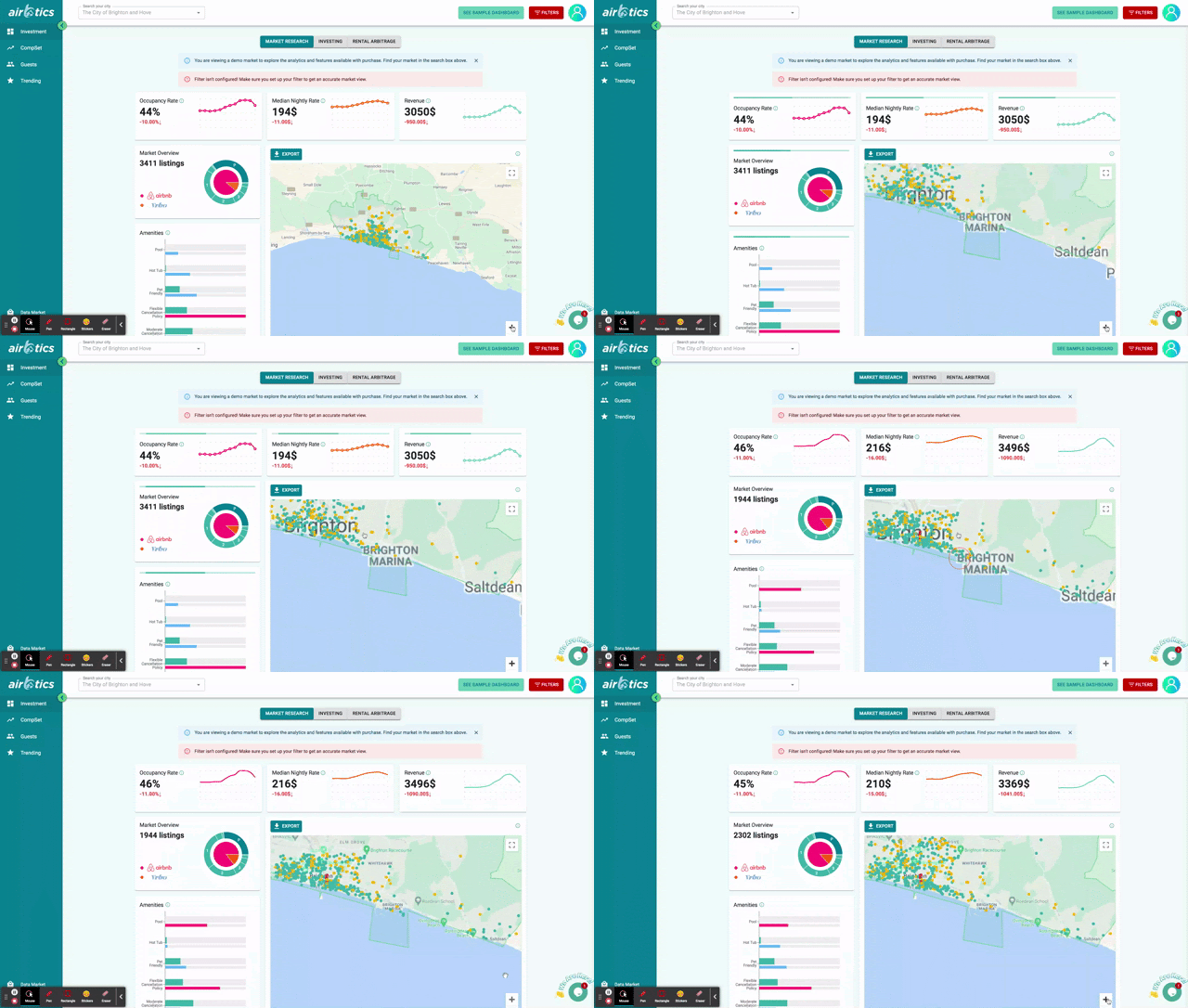
Your competitive set (comp set) determines your pricing benchmarks. If you compare your property to a luxury downtown penthouse while you are a suburban studio, your revenue projections will be wildly inaccurate. Most analytics platforms like AirDNA or AirROI allow you to build custom comp sets. Ensure you are comparing properties with similar bedroom counts, amenities, and neighborhood appeal. A mismatch here skews every other metric you rely on.
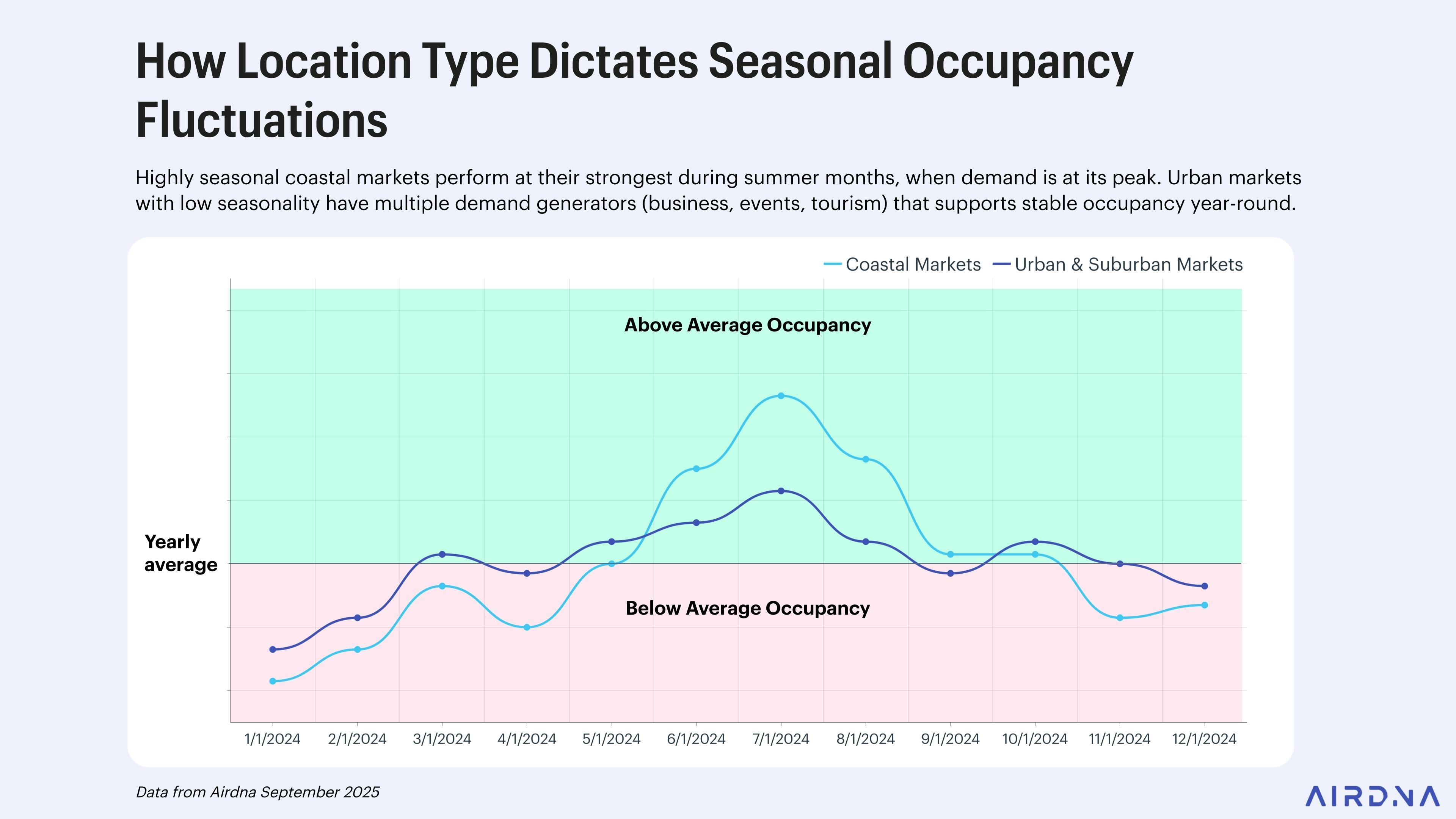
Overlooking seasonal variance
Treating your annual revenue as a flat average is a major error. STR markets are highly seasonal. A host who prices consistently year-round will either leave money on the table during peak demand or struggle to fill dates in the off-season. Use your analytics dashboard to identify specific high-demand windows. Adjust your minimum stay requirements and nightly rates dynamically rather than relying on a static annual forecast.
Disregarding local regulations
Data analysis is futile if your property cannot legally operate in your target market. Many hosts fail to cross-reference their revenue projections with local zoning laws and short-term rental ordinances. Cities like New York, Paris, and parts of California have strict rules that can shut down a profitable listing overnight. Always verify local registration requirements and tax obligations before committing to a market based solely on high revenue data.
Trusting gross revenue over net profit
Gross revenue is vanity; net profit is sanity. Many analytics tools highlight total bookings without accounting for the true cost of hosting. You must subtract cleaning fees, platform commissions, utility costs, maintenance reserves, and local taxes from your gross income. A property showing high gross revenue might actually be losing money once you factor in the wear and tear of frequent turnovers. Always calculate your net operating income (NOI) to understand your true ROI.
Airbnb market data: what to check next
Before committing capital, it helps to separate market myths from hard analytics. Short-term rental performance relies on neighborhood-level data, not broad platform trends. Use the following answers to validate your assumptions before booking a property inspection.
No comments yet. Be the first to share your thoughts!