
Get your Airbnb revenue calculator right
An Airbnb revenue calculator is only as trustworthy as the inputs you feed it. A generic estimate that ignores your property’s specific traits will give you a false sense of security. Before you trust any number, you need to ensure the tool is calibrated to your actual situation.
Start by entering your exact address. Tools like AirDNA Rentalizer and Rabbu rely on real short-term rental comp data. They compare your location against similar listings to generate projected occupancy and average daily rates (ADR). If you use a generic national average, you will miss local seasonality and demand spikes.
Next, adjust the property details. The calculator needs to know if you are offering a private room or an entire home. It also needs to know your bed count and amenities. A pool or a dedicated workspace can significantly boost your ADR in certain markets. If you leave these blank, the tool defaults to a "standard" unit, which often underestimates your potential.
Finally, consider your pricing strategy. Most calculators assume a static rate, but smart hosts use dynamic pricing. Look for tools that allow you to input seasonal adjustments or minimum stay requirements. These variables have a massive impact on your bottom line. Without them, your projected revenue will likely be inaccurate.
Work through the steps
Estimating your Airbnb revenue requires more than guessing occupancy. You need to anchor your projections to real market data. The most reliable method combines your property’s specific details with current comparable performance in your area. This process reveals the actual revenue potential before you commit to buying or listing.

Search for active listings that match your property’s bedroom count, amenities, and neighborhood. Look for hosts with at least 50 reviews to ensure their data is statistically significant. Note their average daily rate (ADR) and how many days they book per month. This establishes your baseline for what the market will actually pay.

Use a tool like AirDNA or Rabbu to model your numbers. Enter your estimated nightly rate, cleaning fees, and local occupancy trends. These platforms use historical comp data to project monthly and annual revenue. Inputting your specific details helps you see how seasonal fluctuations impact your bottom line throughout the year.
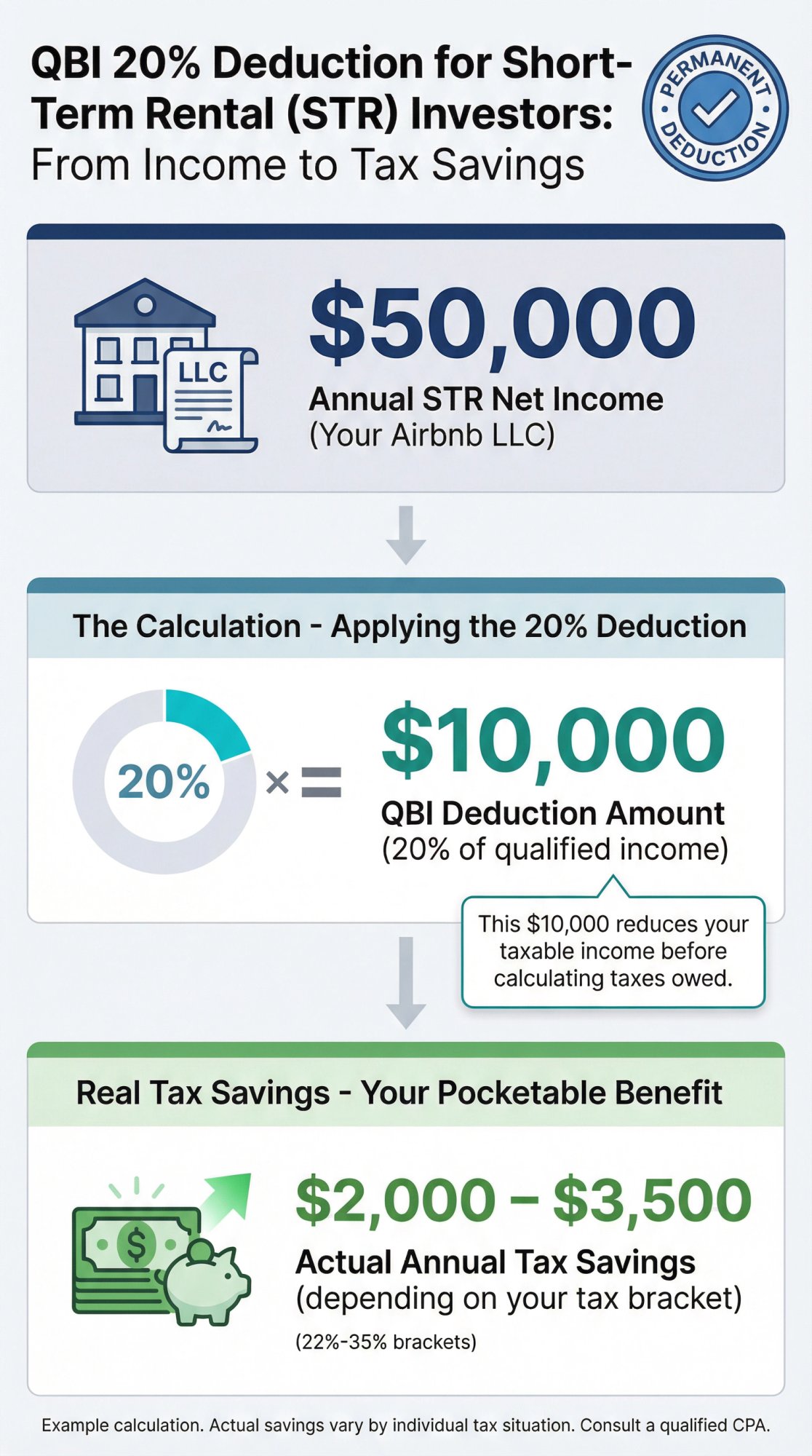
Revenue is not profit. Deduct your variable costs from the gross estimate, including cleaning fees, utilities, internet, and platform service fees. Airbnb typically takes 14-16% from hosts, but this varies by region. If you use a property manager, subtract their 20-25% cut. This step reveals your true net operating income before fixed expenses.

Include your mortgage, property insurance, property taxes, and maintenance reserves. A common rule of thumb is to set aside 10% of gross revenue for unexpected repairs. Subtract these fixed costs from your net operating income. If the result is positive, the property generates cash flow; if negative, you are covering the shortfall from other sources.
Common mistakes that hurt your Airbnb ROI
Even with accurate occupancy data, small calculation errors can turn a profitable listing into a money pit. The Airbnb revenue calculator is only as good as the inputs you provide. If you feed it optimistic guesses instead of hard numbers, your projected cash flow will look nothing like your actual bank account.
Ignoring local tax rates
Many hosts forget to include transient occupancy taxes, city fees, and cleaning service taxes in their revenue projections. These costs are mandatory and non-negotiable. If your calculator assumes a flat 10% tax rate but your city charges 14%, you are underestimating your expenses by 40% on that specific line item. Always verify your local tax code and enter the exact percentage. Ignoring this detail creates a false sense of security in your monthly profit margin.
Overestimating occupancy rates
A common error is plugging in the average occupancy rate for the entire city rather than your specific neighborhood. A downtown condo might have an 85% occupancy rate, while a suburban home three miles away might only hit 65%. Using the city-wide average inflates your projected revenue significantly. Use the AirDNA Rentalizer or Rabbu to pull comps from your exact street or zip code. This granular data reflects the real demand for your specific property type.
Underestimating operating expenses
Revenue is not profit. Many new hosts calculate ROI by looking only at gross income minus mortgage payments. This ignores the variable costs that eat into margins: supplies, maintenance, software subscriptions, and platform fees. A safe rule of thumb is to allocate 25-30% of gross revenue for operating expenses. If you assume only 15%, your break-even analysis will be wildly inaccurate. Track your actual expenses for the first three months and adjust your calculator accordingly.
Not accounting for seasonality
Entering a single annual average occupancy rate masks the reality of seasonal fluctuations. A beach house might hit 95% occupancy in July and drop to 30% in November. If your calculator smooths out these peaks and valleys, you might plan for a steady income stream that doesn't exist. Use the calculator's seasonal breakdown feature to see how revenue shifts month by month. This helps you budget for low-season cash flow gaps.
Airbnb revenue: what to check next
Before you commit to a short-term rental strategy, it helps to clear up the common rules of thumb and estimation methods that drive decisions.
What is the 80/20 rule in Airbnb?
The 80/20 rule, or Pareto principle, suggests that 80% of your bookings often come from 20% of your marketing efforts or peak seasons. In practice, this means you should identify your highest-performing channels and listings, then allocate your time and budget there. Focusing on optimizing your top 20% of efforts can yield disproportionate returns compared to spreading resources thinly across all activities.
What is the 75-55 rule in Airbnb?
The 75-55 rule is a benchmark for occupancy and revenue stability. It suggests that if your property achieves 75% occupancy, you should aim for a 55% net profit margin after all expenses (mortgage, utilities, cleaning, fees). This rule helps hosts distinguish between a property that is merely busy and one that is truly profitable. If you are at 75% occupancy but only seeing a 30% margin, you may need to adjust pricing or reduce operational costs.
How can I estimate my Airbnb revenue?
To estimate your Airbnb revenue, multiply your average daily rate (ADR) by your estimated annual occupancy rate, then subtract operating expenses. For a quick manual calculation, use the formula: ADR × Occupancy Rate × 365 days = Gross Revenue. However, for accuracy, use an Airbnb revenue calculator like AirDNA or BNBCalc. These tools pull real-time comparable data from your specific neighborhood to account for seasonality and local demand shifts, providing a much more realistic projection than a simple math estimate.
Are Airbnbs still profitable in 2026?
Airbnbs remain profitable in 2026 for hosts who treat the property as a disciplined business rather than passive income. Profitability now hinges on dynamic pricing, efficient property management, and compliance with local regulations. Markets with strong tourism demand and restrictive long-term rental laws often see higher short-term rental yields. However, saturation in popular areas can drive down ADR, so thorough market analysis is essential before investing.
No comments yet. Be the first to share your thoughts!