
Get the Airbnb Revenue Calculator Right
Before you run numbers, treat the calculator as a model, not a crystal ball. Accurate inputs matter more than the precision of the formula. If you feed in optimistic guesses, the result will look profitable even when the business isn't.
Start with real market data. Use tools like AirDNA or Rabbu to find the actual Average Daily Rate (ADR) and occupancy rates for your specific neighborhood. These platforms update weekly with comparable listing data. Do not use generic city-wide averages; a zip code can vary wildly in performance.
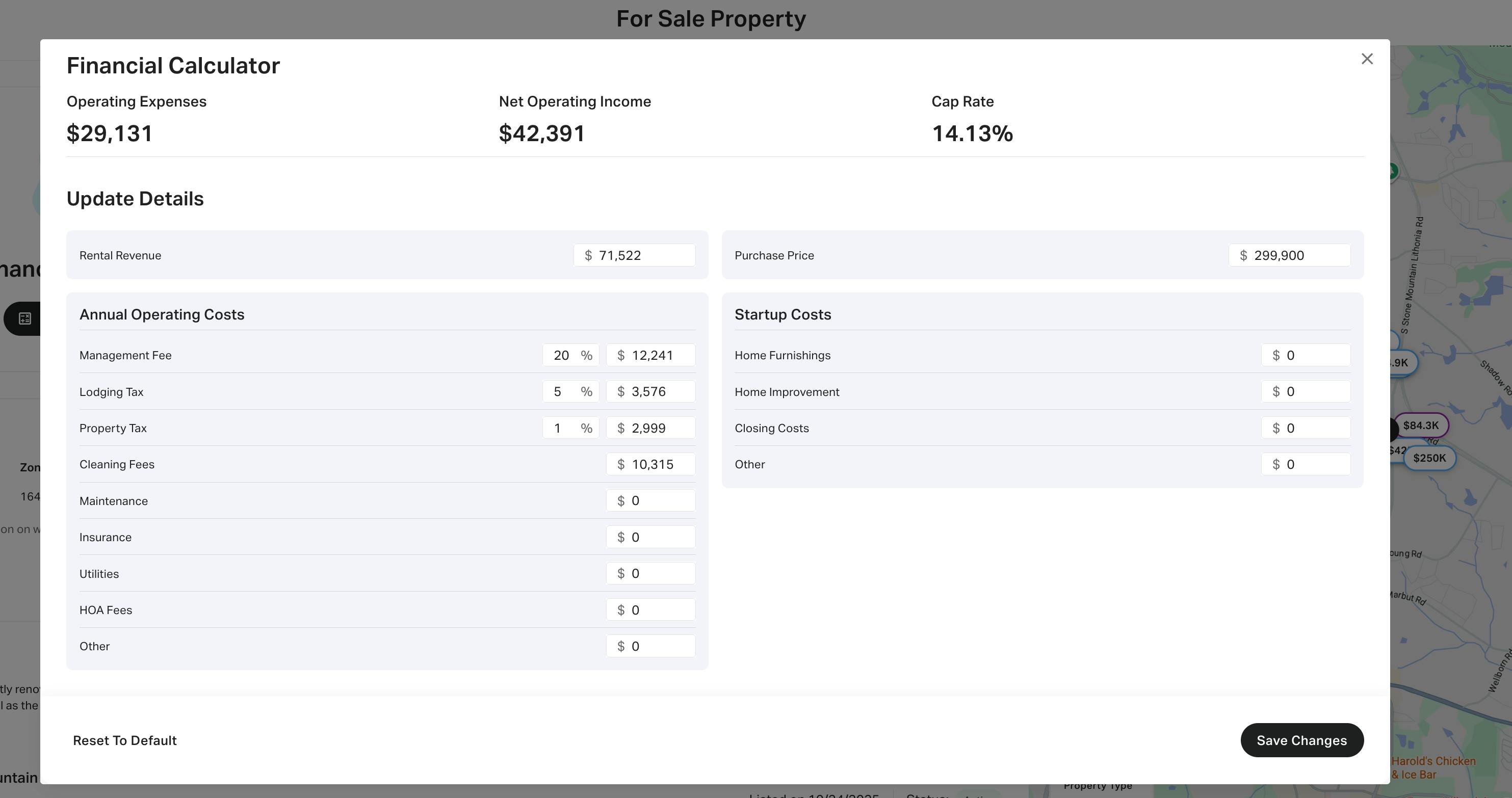
Next, define your operating costs. The calculator will ask for expenses, so be precise. Include cleaning fees, utilities, insurance, and maintenance. If you use a property manager, add their percentage. Underestimating these is the fastest way to ruin your ROI projections.
Finally, account for platform fees. In 2026, Airbnb’s host-only model charges around 15.5%. Your gross revenue is simply your nightly rate multiplied by booked nights. Subtract the platform fee and all running costs to find your true net income. Be conservative with your occupancy assumptions to avoid disappointment.
Work through the steps
Airbnb Revenue Calculator works best as a clear sequence: define the constraint, compare the realistic options, test the tradeoff, and choose the path with the fewest hidden costs. That order keeps the advice usable instead of decorative. After each step, pause long enough to check whether the recommendation still fits the reader's actual situation. If it depends on perfect timing, unusual access, or a best-case budget, include a simpler fallback.


Fix common mistakes
Even with accurate market data, small calculation errors can turn a profitable rental into a money pit. Most hosts lose margin by ignoring hidden costs or relying on static pricing models that don't reflect real-time demand. Below are the most frequent calculation pitfalls and how to correct them before you list.
Ignoring platform fees in revenue estimates
Many new hosts calculate revenue by multiplying the nightly rate by expected occupied nights, then forget to subtract Airbnb’s host service fee. As of 2026, the host-only model charges a 15.5% fee on each booking. If your calculator doesn't deduct this automatically, your projected net income will be significantly overstated. Always run your final numbers through a tool like the Airbnb Calculator or Rabbu, which apply current platform fee structures to your specific listing details.
Overestimating occupancy rates
A common mistake is using the theoretical maximum occupancy (365 nights) or an overly optimistic local average without adjusting for seasonality. In 2026, market saturation in popular cities has compressed average occupancy rates for unoptimized listings. If your calculator assumes 80% occupancy without factoring in your property's unique appeal, you'll overestimate cash flow. Instead, use conservative benchmarks based on comparable listings in your immediate neighborhood, adjusting downward for properties without premium amenities or professional photography.
Skipping maintenance and management costs
Profitability isn't just about gross revenue minus platform fees. Failing to include recurring operational costs like cleaning, utilities, insurance, and routine maintenance leads to false positives in your ROI calculation. If you're using a property manager, their fee (typically 20–25% of gross revenue) must also be deducted. Treat these as fixed line items in your calculator, not optional extras. A robust estimate accounts for every dollar leaving your account, not just the ones entering it.
Using static pricing instead of dynamic models
Pricing your nights at a flat rate year-round is a quick way to erode profits. Demand fluctuates based on local events, holidays, and seasonality. A calculator that doesn't incorporate dynamic pricing strategies or revenue management tools will miss peak opportunities during high-demand periods and fail to attract bookings during lulls. Integrate a pricing algorithm or regularly update your rates based on real-time market data to maximize yield per available night.
Airbnb revenue: what to check next
These answers address the practical hurdles of estimating and keeping short-term rental income. Use them to validate your numbers before listing or buying.
No comments yet. Be the first to share your thoughts!