
Get the Airbnb Revenue Calculator Right
Before you enter an address into a revenue estimator, you need to ensure the inputs reflect your actual operating reality. Calculators are only as good as the data you feed them. If you skip the preparation steps below, your projected income will likely be optimistic and misleading.
Gather Your Property Specs
You must define the physical assets that drive nightly rates. List the exact number of bedrooms, bathrooms, and bed configurations. Note unique amenities like a hot tub, dedicated workspace, or parking, which can justify a higher Average Daily Rate (ADR). Be precise about square footage and layout, as these factors influence guest satisfaction and cleaning costs.
Define Your Operating Costs
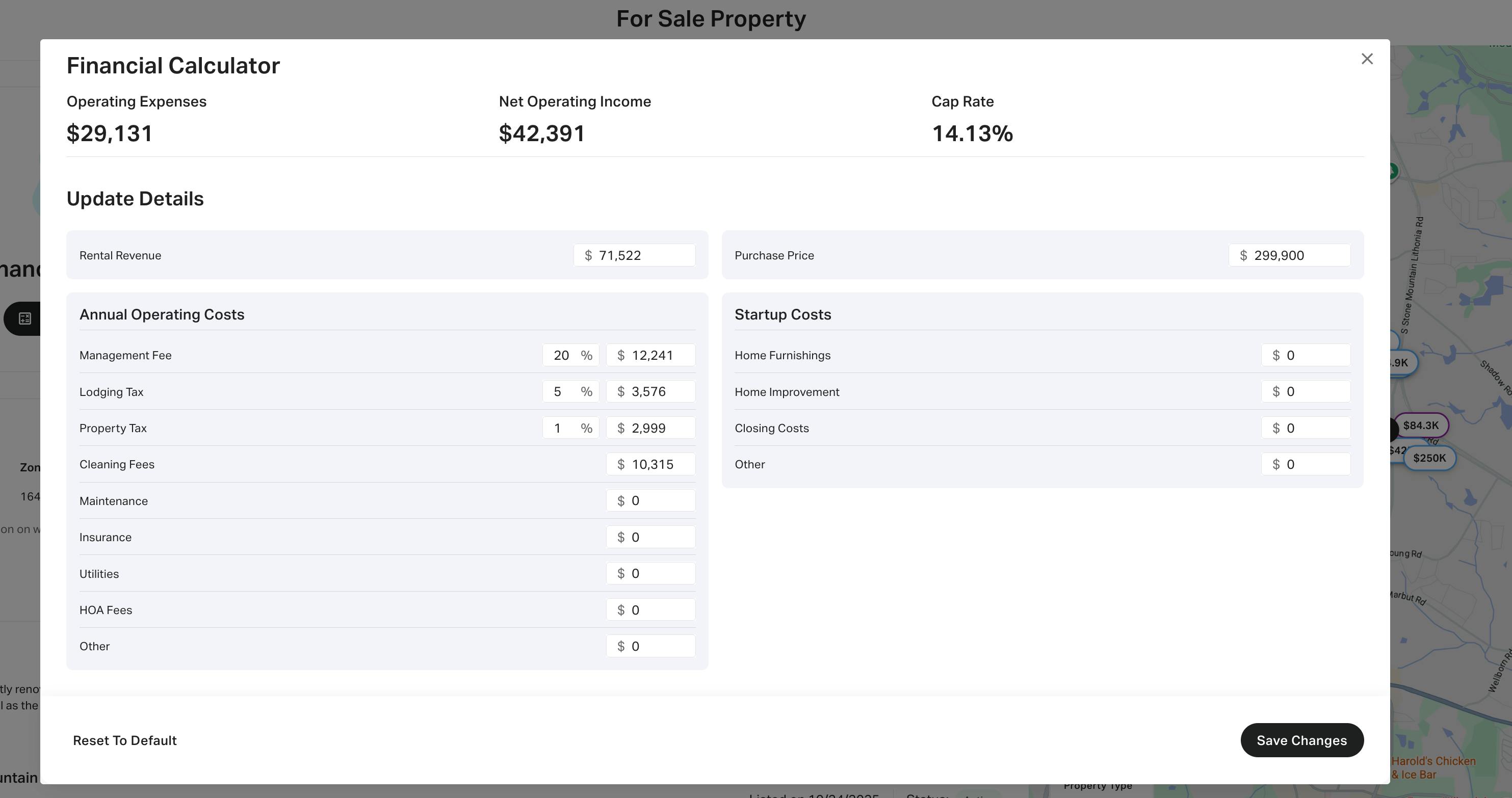
Revenue is not profit. You need to account for all variable and fixed expenses before trusting a gross income figure. Include your cleaning fees, utility averages, internet, insurance, and property management percentages. If you plan to use dynamic pricing tools or hire a co-host, add those costs. Without these inputs, the calculator will show you revenue, not cash flow.
Set Realistic Occupancy Assumptions
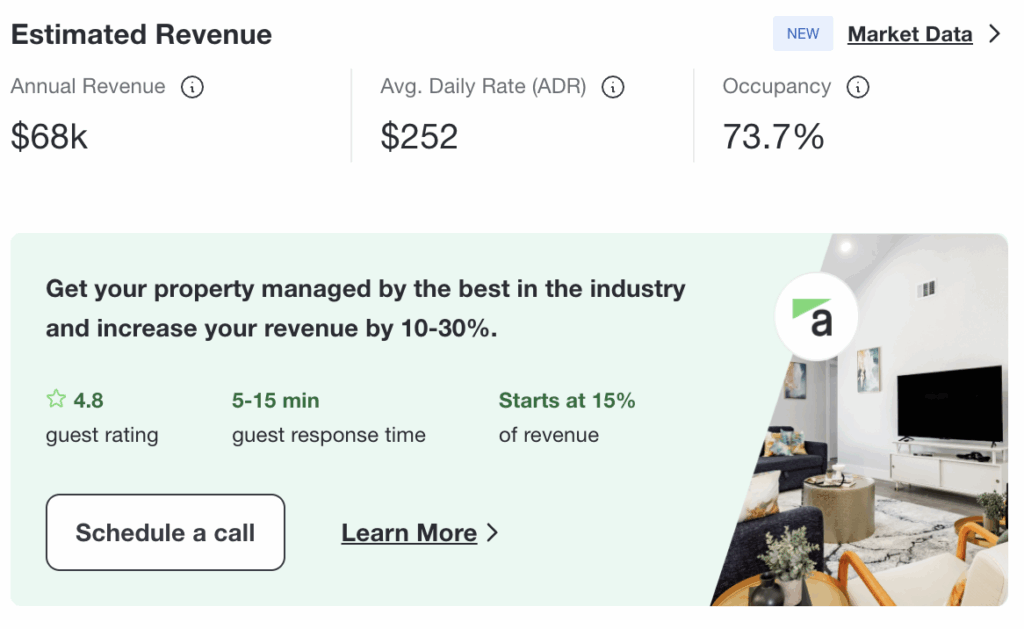
Most free calculators default to industry averages, which often overestimate performance for new listings. Research your specific neighborhood’s seasonality. If you are launching a new property, start with a conservative occupancy rate—typically 10-20% lower than the local average—until you have enough reviews to compete. Adjust your target occupancy based on your pricing strategy and local demand trends.
Work through the steps
Airbnb Revenue Calculator works best as a clear sequence: define the constraint, compare the realistic options, test the tradeoff, and choose the path with the fewest hidden costs. That order keeps the advice usable instead of decorative. After each step, pause long enough to check whether the recommendation still fits the reader's actual situation. If it depends on perfect timing, unusual access, or a best-case budget, include a simpler fallback.

Mistakes That Kill Your Airbnb ROI
Even with accurate market data, small calculation errors can turn a profitable listing into a money pit. These are the most common pitfalls that cause hosts to overestimate income or underestimate costs.
Ignoring Platform Fee Changes
Airbnb’s host service fee structure shifted in 2026. The standard host-only model now charges 15.5% on earnings, up from previous tiers for many hosts. If you are still calculating profit based on a 3% guest fee or the old 14% host rate, your net income projections will be significantly inflated. Always verify the current fee percentage for your specific account type before finalizing any business plan.
Overestimating Occupancy Rates
Many hosts use the peak summer occupancy rate as their baseline for the entire year. This is a critical error. Short-term rental markets are highly seasonal. Using 80% occupancy as a constant assumes you never have a slow month. A more realistic approach uses the annual average, which often sits between 50% and 70% depending on the market. Overestimating this number by just 10% can add thousands of dollars to your projected revenue that never materializes.
Excluding Variable Operating Costs
Gross revenue is not profit. A frequent mistake is subtracting only mortgage and insurance while ignoring variable costs that scale with bookings. Cleaning fees, utility spikes during high seasons, and supplies (toiletries, coffee, linens) directly impact your bottom line. If you hire a property manager, their 20–25% cut is another major deduction. Always include a 10–15% buffer for maintenance and unexpected repairs in your monthly expense model.
Using Static ADR Instead of Dynamic Pricing
Assuming your Average Daily Rate (ADR) stays flat ignores the reality of dynamic pricing. Your nightly rate should fluctuate based on local events, demand, and seasonality. Calculating revenue with a single static rate misses out on high-revenue weekends but also underestimates the risk of low-rate weeks. Use a revenue calculator that pulls real-time comp data to see how ADR changes throughout the year, rather than relying on a single average number.
Airbnb revenue: what to check next
These answers address common objections and clarify how Airbnb revenue calculations actually work in practice.
What is the 80/20 rule for Airbnb?
The 80/20 rule (Pareto principle) in short-term rentals suggests that 80% of your annual revenue often comes from just 20% of your booked nights, typically during peak seasons or local events. This means your baseline monthly income might look low, but your annual ROI depends on maximizing those high-demand windows. If your property sits empty for most of the year, it may not meet the threshold to justify the investment.
How do I calculate my revenue on Airbnb?
Calculate gross revenue by multiplying your nightly rate by the number of booked nights. Then subtract the 15.5% host service fee (Airbnb’s standard rate), followed by all operating costs: cleaning fees, utilities, insurance, maintenance, and property management fees if applicable. The result is your net operating income, which is the number that actually impacts your cash flow and ROI.
What is the 75-55 rule for Airbnb?
The 75-55 rule is a quick benchmark for evaluating profitability: if your projected gross revenue is at least 75% of your monthly mortgage payment, and your net profit after all expenses is at least 55% of that gross revenue, the property is generally considered a solid investment. It helps you gauge whether the market demand is strong enough to cover fixed costs and still leave room for profit.
How profitable is owning an Airbnb?
Profitability varies significantly by location, but successful hosts often see a 10–20% annual return on investment (ROI). This depends heavily on your local occupancy rates, average daily rate (ADR), and how well you manage expenses. Using a real-time revenue calculator like AirDNA or BNBCalc can help you benchmark against comparable properties in your area before making a purchase decision.
No comments yet. Be the first to share your thoughts!