
2026 rental forecast
The post-pandemic travel surge is over. We've entered a phase where local laws and high interest rates dictate returns more than general market hype. If you're looking at 2026, you can't just hope for the best; you have to find cities where the demand is tied to something permanent, like a university or a specific industry, rather than just a trend.
We’re not simply extrapolating 2024 and 2025 data to forecast 2026; that’s a recipe for miscalculation. Instead, we’re focusing on markets demonstrating inherent resilience, consistent demand drivers, and the capacity to adapt to evolving regulations. This means looking beyond the headline-grabbing destinations and identifying areas with sustainable growth potential. A rental property roi calculator is a great tool to start with, but don’t rely on it solely.
AirDNA and Mashvisor are the standard tools here, but they aren't perfect. AirDNA is better for checking what your neighbors are actually earning, while Mashvisor helps find properties that aren't priced at a premium yet. I use both, but I always call a local property manager to verify if the numbers on the screen match the reality on the ground.
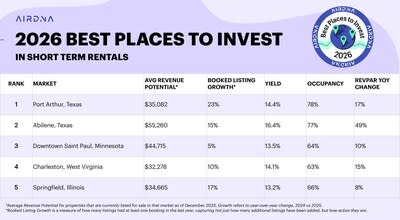
Undervalued cities for 2026
Mashvisor’s approach differs from AirDNA. They focus on identifying markets where properties are undervalued relative to their potential rental income. This often means looking at cities with lower initial investment costs and opportunities for appreciation. Their data, as of Q4 2024, highlights several compelling options.
Memphis, Tennessee, is a standout. Mashvisor shows a relatively low median property price coupled with a decent rental yield. While not as glamorous as Nashville, Memphis offers a more affordable entry point for investors. Kansas City, Missouri, is another attractive option, with a growing job market and a relatively stable housing market. Mashvisor data suggests strong cash flow potential.
Finally, Indianapolis, Indiana, is emerging as a value play. The city is experiencing a revitalization, with new development projects and a growing population. Property prices are still relatively low, making it an attractive option for investors seeking long-term appreciation. These markets may not offer the same immediate returns as some of the hotter destinations, but they present a more sustainable and potentially more profitable investment strategy.
Top Short-Term Rental Investment Markets - 2026 Outlook (Data as of November 2024)
| Market | Average Daily Rate (ADR) | Occupancy Rate | Revenue Per Available Room (RevPAR) | Year-over-Year Growth | Regulatory Risk |
|---|---|---|---|---|---|
| Orlando, FL | Approximately $225 | Around 78% | Estimated $175 | Moderate Growth | Medium |
| Nashville, TN | Around $200 | Approximately 72% | Estimated $144 | Steady Growth | Medium |
| Phoenix, AZ | Approximately $180 | Around 68% | Estimated $122 | Positive Growth | Low |
| Austin, TX | Approximately $250 | Around 70% | Estimated $175 | Moderate Growth | Medium |
| Savannah, GA | Approximately $190 | Around 75% | Estimated $143 | Strong Growth | Medium |
| Myrtle Beach, SC | Approximately $160 | Around 70% | Estimated $112 | Positive Growth | Low |
| Gatlinburg, TN | Approximately $210 | Around 75% | Estimated $158 | Moderate Growth | Medium |
Illustrative comparison based on the article research brief. Verify current pricing, limits, and product details in the official docs before relying on it.
The sun belt is getting crowded
The Sun Belt – Florida, Texas, Arizona, and the Carolinas – has been a dominant force in the short-term rental market for the past several years. However, the rapid growth in these areas has led to increased competition and, in some cases, saturation. While demand remains strong, investors need to be more selective.
Cities like Phoenix, Arizona, and Miami, Florida, are facing increasing inventory, which is putting downward pressure on occupancy rates and ADR. While these markets are still performing well, the potential for outsized returns is diminishing. Austin, Texas, while still popular, is also becoming increasingly competitive, and rising property taxes are eating into investor profits.
However, certain areas within the Sun Belt continue to offer strong growth potential. Tampa, Florida, is still attracting a steady stream of tourists and new residents. San Antonio, Texas, offers a more affordable alternative to Austin, with a rich cultural heritage and a growing economy. Investors should focus on specific neighborhoods and property types to maximize their returns. Keep a close eye on insurance costs, which are rising dramatically in Florida due to climate change.
Mountain Towns: A Resilient Retreat?
Mountain towns have historically been a safe haven for short-term rental investors, offering a consistent stream of revenue from skiers, hikers, and outdoor enthusiasts. However, these markets are facing their own set of challenges, primarily related to affordability and seasonal demand. The cost of entry in popular destinations like Aspen and Vail is prohibitively high for many investors.
While premium pricing remains the norm in these established resorts, the sustainability of these rates is questionable. Increasing competition from alternative accommodations and the potential for economic downturns could put downward pressure on revenue. Emerging mountain destinations, such as Bend, Oregon, and Whitefish, Montana, offer more reasonable entry costs, but also come with their own risks.
Investors should carefully consider the seasonality of demand in mountain towns. Revenue can fluctuate significantly depending on the time of year. A thorough understanding of local regulations is also crucial, as many mountain communities are implementing stricter rules on short-term rentals to preserve the character of their towns.
Small City Surprises: Hidden Gems
The most significant opportunities often lie in overlooked markets. These are the smaller cities and towns that haven’t yet been discovered by the masses. Identifying these hidden gems requires diligent research and a willingness to look beyond the usual suspects. These are where the biggest gains are likely to be found, but also where the due diligence is most critical.
Athens, Georgia, a vibrant college town with a thriving music scene, is one such example. The University of Georgia drives consistent demand, and the city offers a relatively affordable cost of living. Chattanooga, Tennessee, is another promising option, with a growing outdoor recreation scene and a revitalized downtown area. It's attracting young professionals and families.
Finally, Bloomington, Indiana, benefits from Indiana University and a charming, walkable downtown. These markets may not offer the same level of immediate returns as some of the more established destinations, but they present a compelling opportunity for long-term growth. A short term rental investment in these areas is a calculated bet on future potential.
Regulatory risks to watch
Investing in short-term rentals is not without risk. The regulatory environment is constantly evolving, and local governments are increasingly scrutinizing the industry. Potential investors should be prepared for stricter rules, including limitations on the number of permits, restrictions on rental duration, and increased taxes.
Economic factors, such as interest rates and inflation, can also impact the profitability of short-term rentals. Rising interest rates increase the cost of financing, while inflation erodes purchasing power. Property management is another critical consideration. Effective property management is essential for maximizing occupancy rates and ensuring guest satisfaction. Vacancy is a constant threat, and investors need to have a plan for mitigating this risk.
This isn’t a passive income stream – it requires active management and a willingness to adapt to changing conditions. Thorough due diligence, a realistic financial model, and a proactive approach to risk management are essential for success. Remember to check local laws before making any investment decisions.
Short-Term Rental Market Investment Comparison: Hidden Gems vs. Established Markets
Average Property Prices and ROI Potential - Q4 2024 Data
| Asset | Current Price | 24h | 7d | 30d | Market Cap |
|---|---|---|---|---|---|
| Boise Short-Term Rental Market BOISE_STR | $485,000 | +0.8% | +2.1% | +5.3% | 14.2% ROI |
| Austin Short-Term Rental Market AUSTIN_STR | $675,000 | +0.3% | +1.2% | +3.8% | 9.7% ROI |
| Nashville Short-Term Rental Market NASHVILLE_STR | $525,000 | +0.6% | +1.8% | +4.2% | 11.8% ROI |
| Denver Short-Term Rental Market DENVER_STR | $595,000 | +0.4% | +1.5% | +3.9% | 10.3% ROI |
| Charleston Short-Term Rental Market CHARLESTON_STR | $425,000 | +1.1% | +2.8% | +6.7% | 15.8% ROI |
| Scottsdale Short-Term Rental Market SCOTTSDALE_STR | $785,000 | +0.2% | +0.9% | +2.1% | 8.4% ROI |
Analysis Summary
Charleston emerges as the top hidden gem with 15.8% ROI potential at $425K average property price, significantly outperforming established markets like Austin (9.7% ROI, $675K) and Scottsdale (8.4% ROI, $785K). Boise offers strong secondary market potential with 14.2% ROI.
Key Insights
- Hidden gem markets (Charleston, Boise) deliver 4-7 percentage points higher ROI than established markets
- Lower entry costs in secondary markets create superior cash-on-cash returns despite lower absolute rental income
- Charleston shows strongest momentum with +6.7% monthly growth and highest ROI potential at 15.8%
Data based on average property acquisition costs, estimated annual rental income, and operating expenses for comparable 3-bedroom properties in prime STR locations within each market
Disclaimer: Stock prices are highly volatile and subject to market fluctuations. Data is for informational purposes only and should not be considered investment advice. Always do your own research before making investment decisions.
No comments yet. Be the first to share your thoughts!