
Unlocking 2026 rental income
By 2026, the days of 'list it and they will come' are over. Competition is tighter, and travelers expect more. If you aren't using hard data to price your property, you're leaving money on the table. I've seen too many hosts rely on gut feeling only to end up with empty calendars during peak weeks.
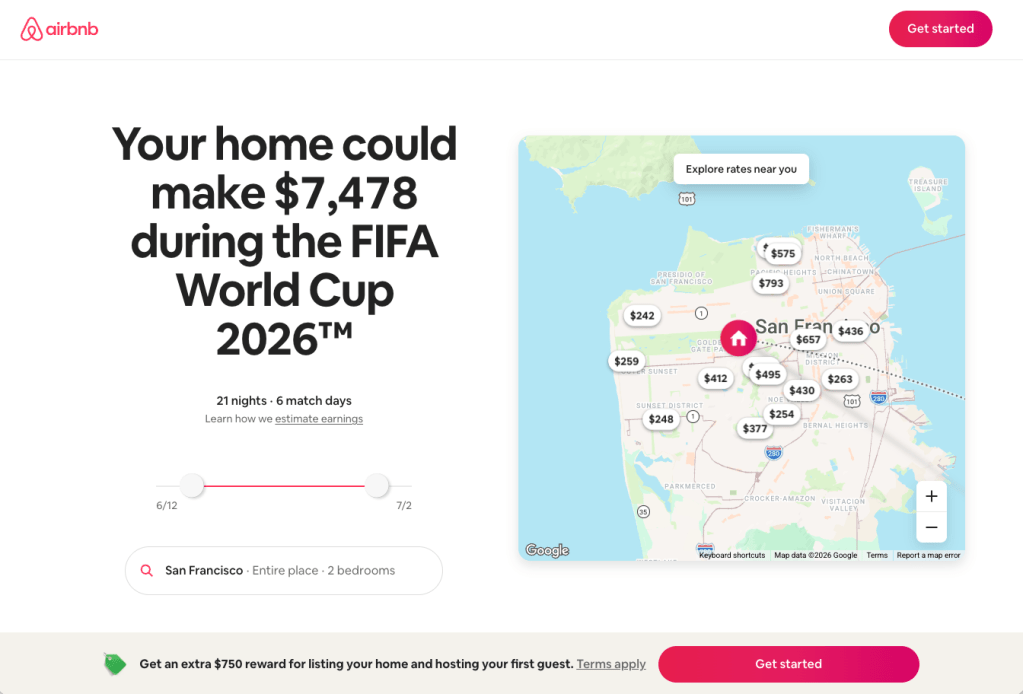
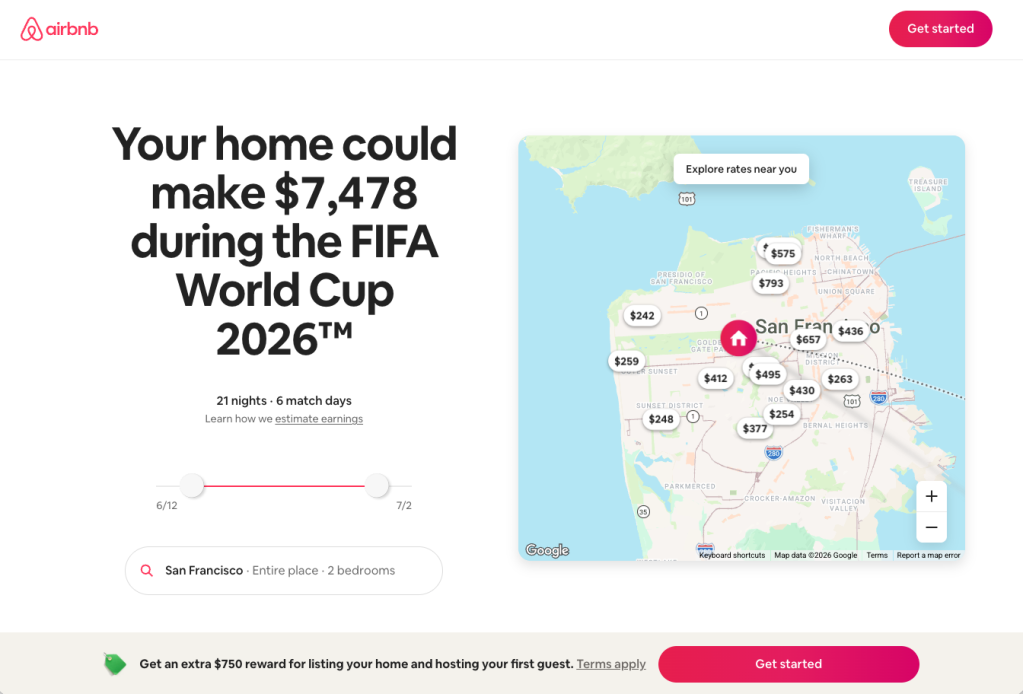
This is where Airbnb revenue calculators come into play. These tools aren't just about guessing potential earnings. They represent a shift towards informed investment, allowing hosts and investors to understand market dynamics and maximize their return. The data available now is far richer than it was even a few years ago, and these calculators are built to take advantage of that.
AirDNA and Rabbu are the two heavy hitters for 2026. I use them to spot-check local demand and see what the neighbors are actually making. They won't make you rich overnight, but they stop you from buying a property in a neighborhood where the numbers don't add up.
How these calculators actually work
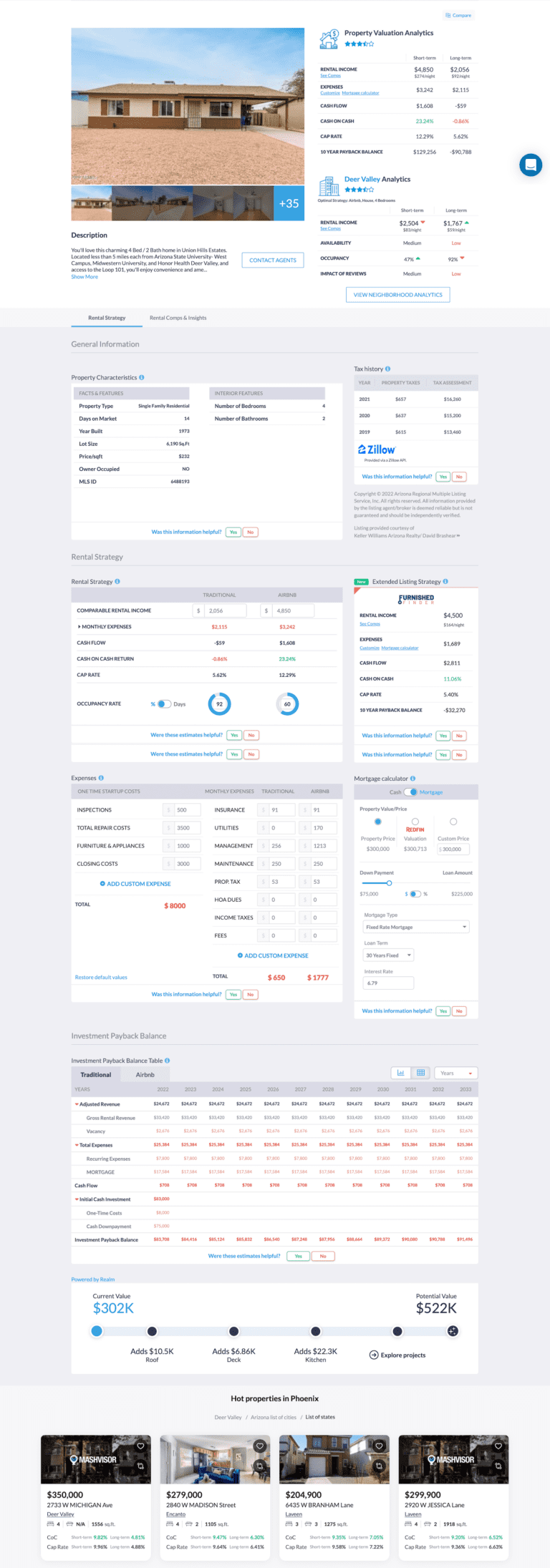
At their core, Airbnb revenue calculators estimate the potential income a property can generate as a short-term rental. They move beyond simple estimates by factoring in a multitude of variables. Occupancy rate is paramount, but it’s not the whole story. These calculators also consider average daily rate (ADR), seasonal demand fluctuations, property type, location-specific market data, and even competitor pricing.
The best calculators don't just spit out a single number. They provide a range of projections, acknowledging the inherent uncertainty in forecasting. They analyze comparable listings in the area, assess demand drivers like local events and attractions, and adjust for factors like property amenities and quality. This detailed analysis provides a far more realistic picture of potential earnings than a quick back-of-the-envelope calculation.
However, it’s important to be upfront: these are predictions, not guarantees. Unexpected events – economic downturns, regulatory changes, or even a global pandemic – can significantly impact short-term rental income. A calculator is a powerful tool, but it should be used in conjunction with sound judgment and a thorough understanding of the local market.
- Occupancy rate: the actual percentage of nights someone is paying to stay in your bed.
- Average Daily Rate (ADR): Average price per night.
- Seasonality: Fluctuations in demand based on time of year.
- Property Type: House, apartment, condo, etc.
- Location: City, neighborhood, proximity to attractions.
- Competitor Data: Pricing and occupancy of similar listings.
AirDNA vs. Rabbu: which one wins?
AirDNA and Rabbu are two of the leading Airbnb revenue calculators available today. Both aim to provide data-driven insights, but they differ in their approach and strengths. AirDNA, established as a key player in the vacation rental analytics space, focuses heavily on comprehensive market data and competitive analysis. Rabbu, while newer, positions itself as a user-friendly option with a strong emphasis on ease of use.
AirDNA's data sources are extensive, drawing from Airbnb, Vrbo, and other short-term rental platforms. This broad coverage gives it a significant advantage in markets with diverse booking channels. Their "Adapt" feature allows for ongoing adjustments to projections based on real-time performance data. Rabbu, on the other hand, primarily focuses on Airbnb data. This focused approach can be beneficial in areas where Airbnb dominates the market.
Rabbu excels in simplicity. Its interface is very intuitive, making it ideal for beginners. AirDNA, while powerful, can be overwhelming for those new to vacation rental analytics. AirDNA’s strength lies in its granular data and advanced features, making it better suited for experienced investors managing a portfolio. Rabbu is often quicker for a simple, initial estimate. Both platforms offer subscription-based access, with pricing varying depending on the level of data and features required.
- AirDNA has deeper data because it pulls from Vrbo too, making it better if you're managing a portfolio.
- Rabbu: User-friendly interface, quick estimates, ideal for beginners.
AirDNA vs. Rabbu: A Comparative Analysis for Short-Term Rental Data
| Feature | AirDNA | Rabbu |
|---|---|---|
| Data Sources | Primarily utilizes direct data extraction from Airbnb and Vrbo. | Aggregates data from Airbnb, Vrbo, and potentially other sources (details are less publicly specified). |
| Geographic Coverage | Offers extensive coverage across numerous countries and cities globally, with detailed data available for many key markets. | Provides data for a growing number of markets, with a strong focus on North America and select international locations. |
| Property Type Support | Supports a wide range of property types, including entire homes, apartments, hotel rooms, and unique accommodations. | Supports various property types, including houses, apartments, and condos. Specific coverage for unique rentals may vary. |
| Ease of Use | Offers a user-friendly interface with tools like the 'Rentalizer' for revenue estimations. Adapt provides dynamic pricing recommendations. | Interface is designed for ease of use, with a focus on providing clear visualizations and actionable insights. |
| Reporting Features | Provides detailed reports on occupancy rates, average daily rates (ADR), revenue, and market trends. Offers customizable dashboards and data exports. | Offers reporting on key performance indicators (KPIs) such as occupancy, revenue, and RevPAR, with options for data visualization and export. |
| Pricing | Pricing is built on a tiered subscription model based on the level of data access and features required. | Pricing information is available upon request and is tailored to the user's specific needs and data requirements. |
Illustrative comparison based on the article research brief. Verify current pricing, limits, and product details in the official docs before relying on it.
The numbers that actually matter
Understanding the key metrics is vital for interpreting the output of any Airbnb revenue calculator. Occupancy Rate is the percentage of nights your property is booked. A "good’ target varies by location and property type, but generally, anything above 60% is considered strong. However, focusing solely on occupancy can be misleading; a high occupancy rate at a low ADR doesn"t necessarily translate to high revenue.
Average Daily Rate (ADR) is the average price you charge per night. Optimizing ADR requires careful consideration of market demand, seasonality, and competitor pricing. Dynamic pricing tools, which automatically adjust rates based on these factors, can significantly boost revenue. Revenue Per Available Rental (RevPAR) is arguably the most important metric. It combines occupancy and ADR to give a holistic view of performance – it’s calculated by multiplying occupancy rate by ADR.
Seasonality plays a huge role. Demand fluctuates throughout the year, and pricing needs to reflect those changes. A calculator will factor in historical data, but it's crucial to understand local events and attractions that drive demand. For example, a property near a ski resort will see higher demand (and therefore higher ADR) during the winter months. These metrics aren’t isolated; they interact and influence each other, and a successful strategy considers them all.
Beyond the Calculator: Local Regulations
An accurate revenue projection is only half the battle. Ignoring local regulations can quickly turn a promising investment into a financial disaster. Many cities and counties have implemented strict rules governing short-term rentals, including zoning laws, permit requirements, occupancy limits, and taxes.
Failing to comply with these regulations can result in hefty fines, legal battles, or even the complete prohibition of short-term rentals. It's essential to conduct thorough due diligence before investing in a property. This includes checking with local authorities to understand the specific rules in your target area.
Resources like the American Short-Term Rental Association (astrausa.com) and local government websites can provide valuable information. Don't rely on assumptions or anecdotal evidence; verify the regulations yourself. The cost of compliance is far less than the cost of non-compliance.
Optimizing Listings for Maximum Impact
Even the most accurate revenue calculator can’t compensate for a poorly optimized listing. High-quality photos are non-negotiable. Professional photography can significantly increase bookings. Your listing description should be compelling, accurate, and highlight the unique features of your property. Avoid generic language and focus on the benefits for guests.
An accurate and comprehensive amenities list is also crucial. Guests filter their searches based on amenities, so make sure your listing reflects everything you offer. Responsive communication is essential for building trust and securing bookings. Promptly answer inquiries and address any concerns guests may have. Consider using dynamic pricing tools to automatically adjust rates based on demand.
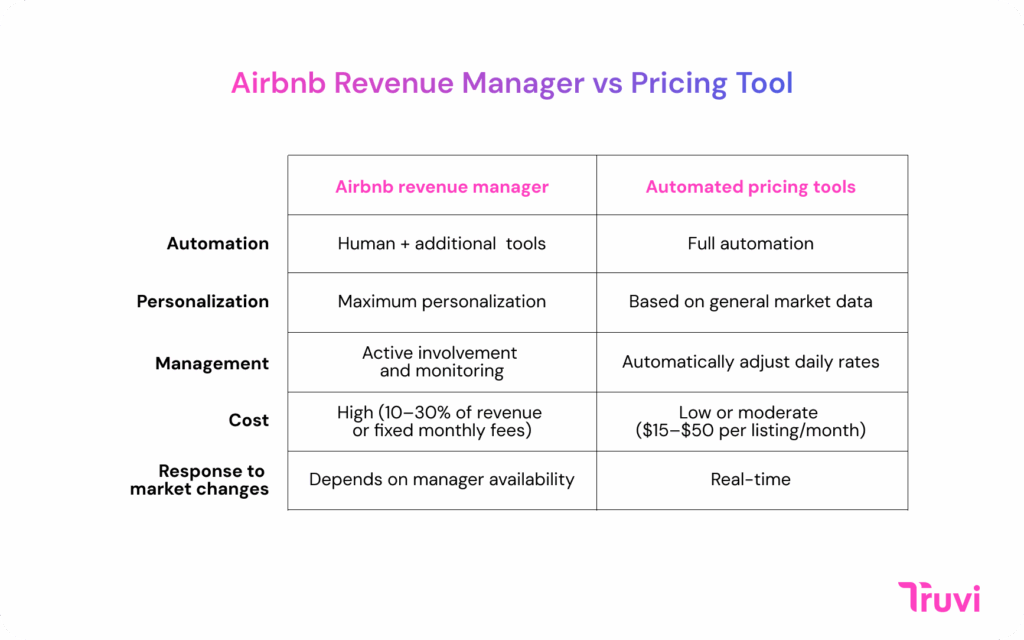
For example, if a major event is happening nearby, a dynamic pricing tool will automatically increase your rates to capitalize on the increased demand. Tools like PriceLabs and Beyond Pricing integrate directly with Airbnb and other platforms to automate this process. Experiment with different pricing strategies to find what works best for your property and market.
- High-Quality Photos: Professional photography is a worthwhile investment.
- Compelling Description: Highlight unique features and benefits.
- Accurate Amenities List: Ensure your listing reflects what you offer.
- Responsive Communication: Promptly answer inquiries and address concerns.
- Dynamic Pricing: Automate rate adjustments based on demand.
No comments yet. Be the first to share your thoughts!