
Get Airbnb market data right
Before you adjust rates or list a new property, you need accurate baseline data. Airbnb’s native dashboard shows your own performance, but it doesn’t tell you how your neighbors are doing. To maximize ROI, you must understand the local supply and demand dynamics. This section covers the essential steps to gather reliable market intelligence.
Choose the right data source
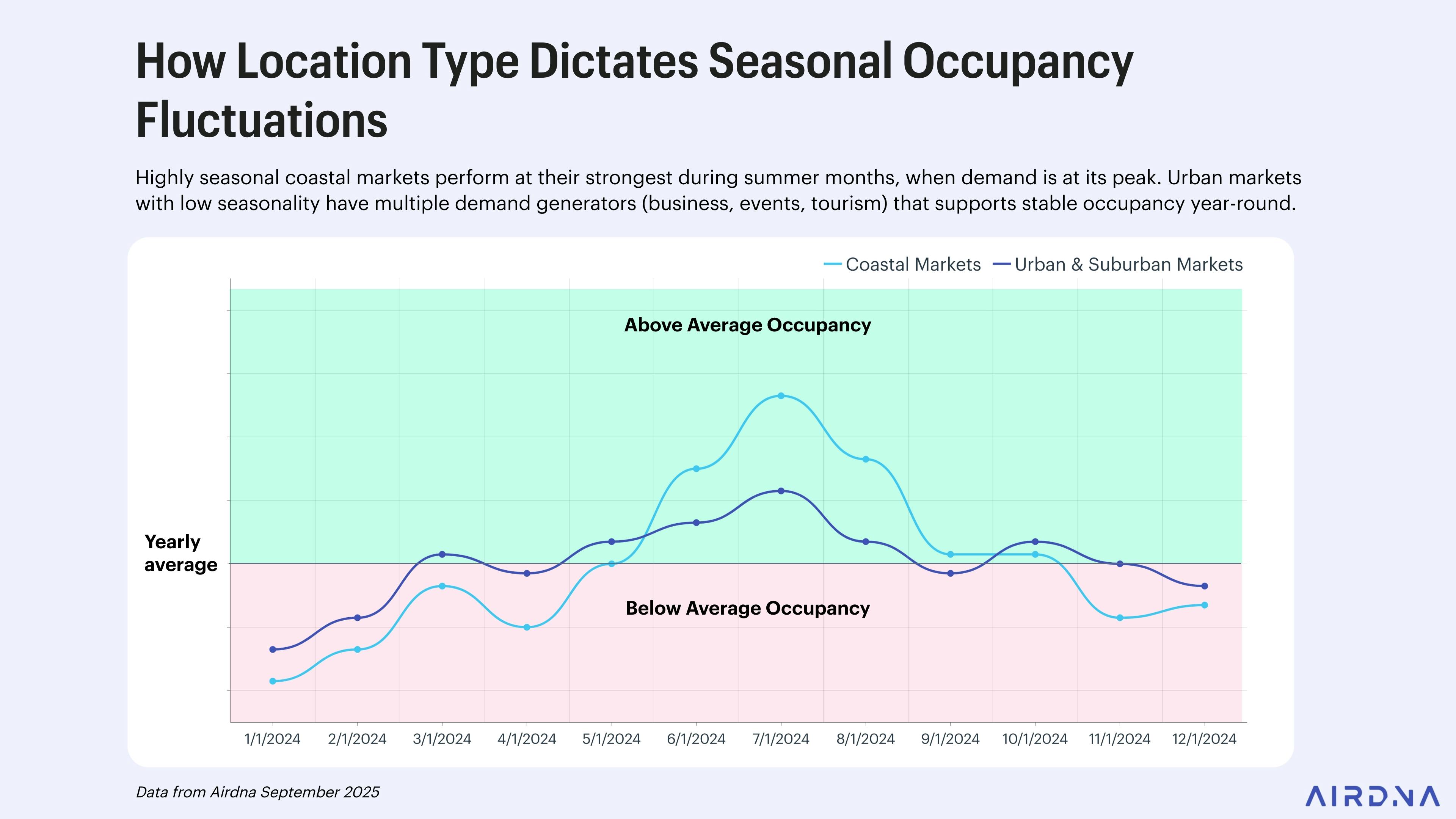
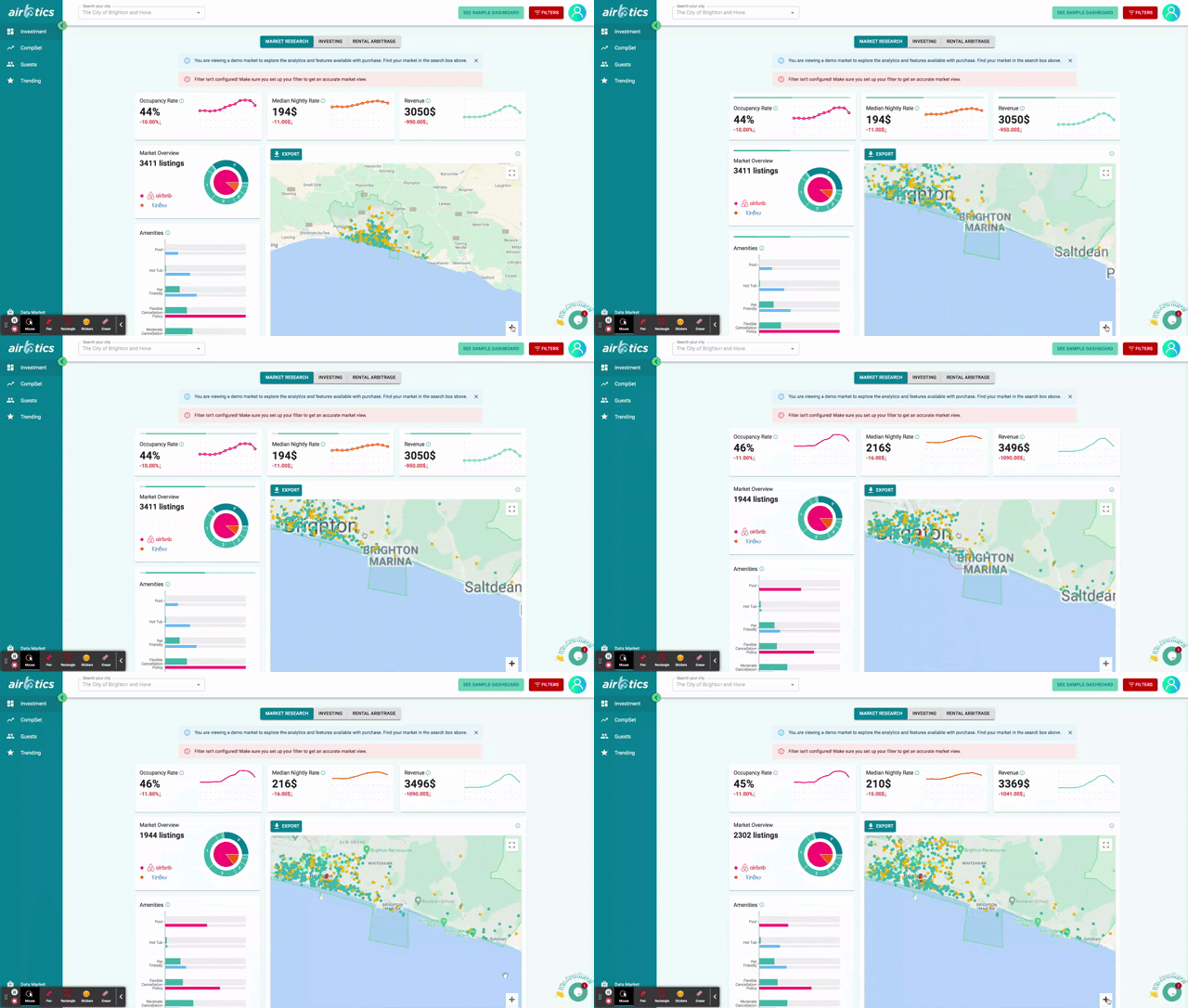
Not all analytics tools are created equal. Platforms like AirDNA and AirROI aggregate public listing data to provide estimates for occupancy, revenue, and seasonality. These tools are essential for benchmarking your property against comparable listings (comps) in your area. Free versions often provide limited insights, while paid subscriptions offer deeper historical data and forecasting. Select a platform that covers your specific market and update your data regularly, as STR markets shift quickly.
Define your competitive set
Identify 10-15 properties that closely match yours in size, amenities, and location. Do not compare a luxury penthouse to a budget studio. Look at their average daily rates (ADR), minimum stay requirements, and occupancy trends. This comparison helps you set realistic expectations for your own performance. If your comps are fully booked during peak seasons, your property likely has similar potential.
Validate local regulations
Market data is useless if you cannot legally operate. Check your city’s short-term rental ordinances before making any financial projections. Some neighborhoods have strict caps on rental days or require specific permits. Ignoring these rules can lead to fines or forced closure. Official city websites are the most reliable source for this information.
Calculate your break-even point
Use the data to estimate your monthly expenses, including mortgage, insurance, cleaning fees, and utilities. Then, apply the average occupancy and ADR from your competitive set. This calculation reveals the minimum revenue needed to stay profitable. If the numbers don’t add up, you may need to adjust your pricing strategy or reconsider the investment.
Work through the steps
Airbnb Market Data works best as a clear sequence: define the constraint, compare the realistic options, test the tradeoff, and choose the path with the fewest hidden costs. That order keeps the advice usable instead of decorative. After each step, pause long enough to check whether the recommendation still fits the reader\u0027s actual situation. If it depends on perfect timing, unusual access, or a best-case budget, include a simpler fallback.
Fix common mistakes that kill your ROI
Most hosts lose revenue not because the market is bad, but because they make preventable errors in how they present and price their properties. These mistakes are often subtle, hiding in plain sight within your listing details or pricing strategy.
Ignoring local regulatory changes
Short-term rental laws change frequently and vary by neighborhood. Failing to update your listing to reflect current permit requirements or zoning restrictions can lead to sudden shutdowns or fines. Always check the latest municipal codes and display your permit number clearly in your description to build trust and ensure compliance.
Overpricing based on static data
Setting prices without using dynamic tools is a common trap. Static pricing ignores fluctuations in demand, local events, and competitor activity. Use analytics platforms like AirDNA or AirROI to adjust rates based on real-time market data. This ensures you remain competitive during low-demand periods while maximizing revenue when demand spikes.
Poor photo quality and incomplete details
Guests make quick decisions based on your listing’s visual appeal. Blurry photos, missing amenities, or vague descriptions lead to lower click-through rates and higher cancellation rates. Invest in professional photography and ensure every amenity is listed. Clear, high-resolution images and detailed descriptions reduce uncertainty and increase booking confidence.
Neglecting guest reviews and feedback
Ignoring negative reviews or failing to respond to them damages your reputation. Positive reviews boost your search ranking, while unanswered complaints deter potential guests. Address feedback promptly and make improvements based on recurring comments. This shows you value guest experience and encourages higher ratings.
Airbnb market data: what to check next
Before committing capital, it helps to separate market noise from verified performance metrics. Here are the practical answers to the most common questions about short-term rental analytics and profitability in 2026.
Use these benchmarks as a starting point. Always cross-reference these general rules with hyper-local data from platforms like AirDNA or Mashvisor to ensure your specific property meets the threshold.
No comments yet. Be the first to share your thoughts!