
Get airbnb market data right
Before you adjust pricing or redesign your listing, you need reliable data. Most hosts rely on free tiers or trial periods, which limits historical depth and market coverage. To make accurate occupancy and ROI projections, you need access to at least three years of comparable rental history and real-time competitor tracking.
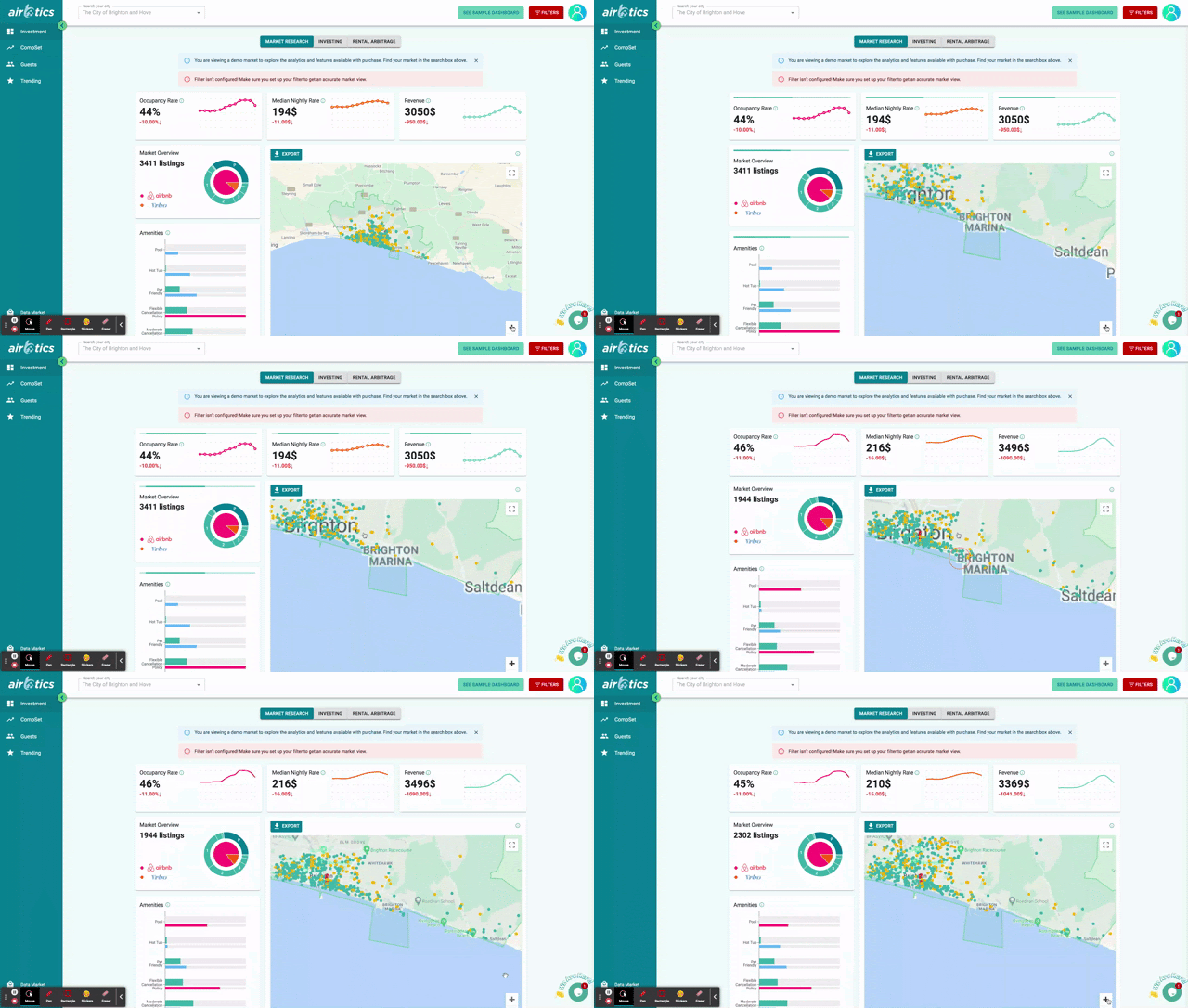
The two most trusted platforms in the industry are AirDNA and AirROI. AirDNA offers extensive coverage across 120,000 markets, making it ideal for broad trend analysis. AirROI provides a robust API and dynamic pricing tools, which are better suited for hosts managing multiple properties or needing automated revenue estimates. Choose the tool that matches your specific data needs rather than just the lowest price.
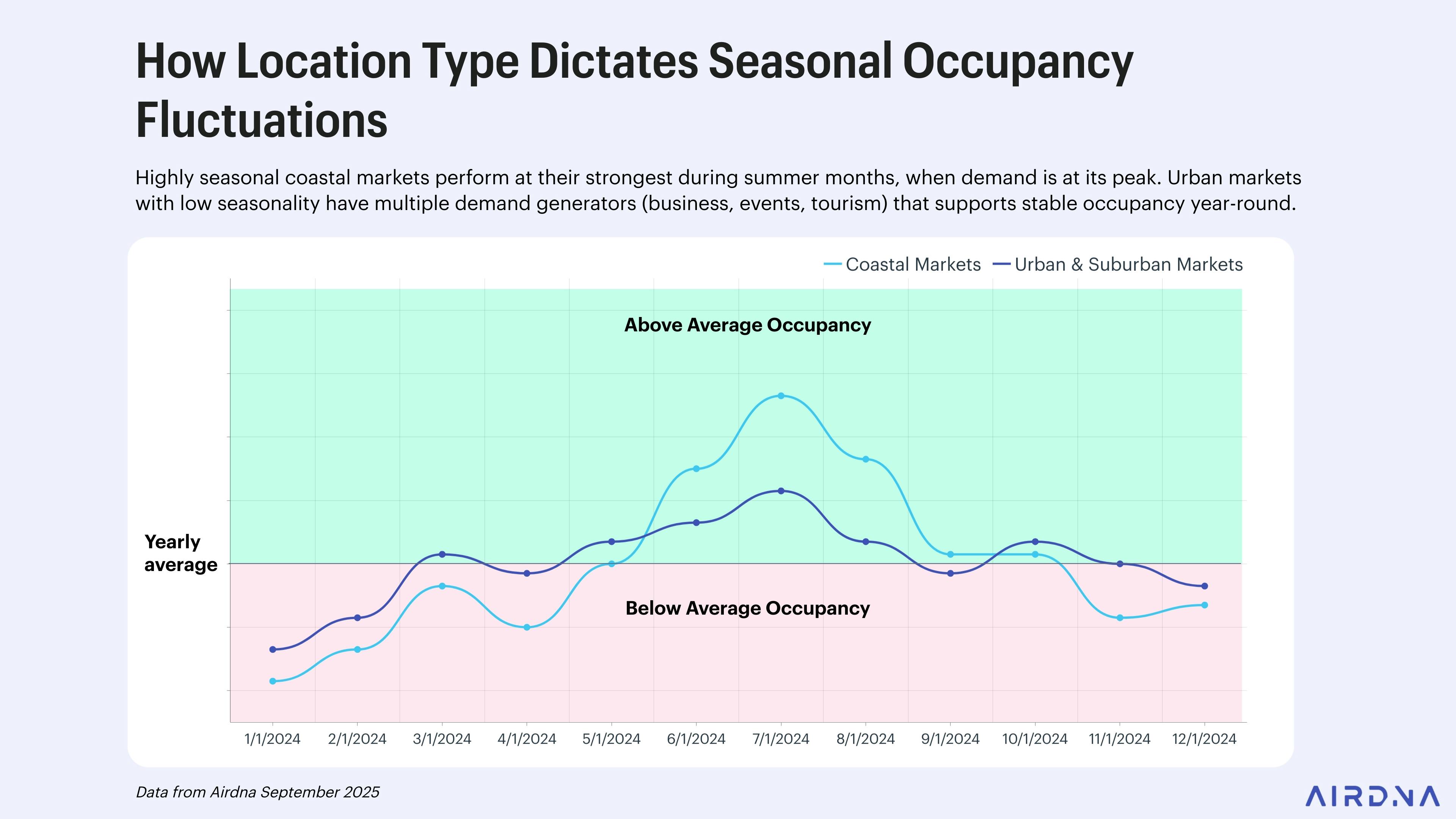
Start by validating your target market’s seasonality. Look for the "peak" and "shoulder" months in the analytics dashboard. If the variance between high and low seasons is less than 20%, the market may be too saturated for your capital. If it exceeds 40%, you need a strategy to survive the off-season. This single check prevents you from investing in a property that cannot sustain year-round occupancy.
Work through the steps
Airbnb Market Data works best as a clear sequence: define the constraint, compare the realistic options, test the tradeoff, and choose the path with the fewest hidden costs. That order keeps the advice usable instead of decorative. After each step, pause long enough to check whether the recommendation still fits the reader's actual situation. If it depends on perfect timing, unusual access, or a best-case budget, include a simpler fallback.
Fix common mistakes
Most hosts lose revenue not because the market is weak, but because they rely on gut feeling instead of data. In 2026, the gap between top-performing listings and average ones is defined by how accurately you interpret rental analytics. If your occupancy rates are dipping or your daily rate isn't keeping up with competitors, you are likely making one of these three errors.
Ignoring local seasonality
Many hosts set a static price year-round, assuming their rates will hold steady. This ignores the reality that demand shifts with local events, weather, and school calendars. If you don't adjust for these fluctuations, you will either leave money on the table during peak weeks or fill your calendar with low-paying guests during slow periods. Use AirDNA or AirROI to compare your monthly performance against the local median. If your rates are flat while the market spikes, you are underpricing. If the market dips and you hold firm, you are overpricing.
Misreading the 75-55 rule
The 75-55 rule is a common benchmark for pricing strategy, but it is often misunderstood. It suggests that you should price your listing at 75% of the market leader's rate to drive volume, or 55% if you are new and need reviews. However, applying this blindly can hurt your ROI. If your property has unique amenities or a superior location, pricing at 55% devalues your asset unnecessarily. Conversely, if your property is basic, 75% might be too high. Use this rule as a starting point, not a fixed target. Check your conversion rate: if you have views but no bookings, your price is too high. If you have no views, your listing quality or photos need work, not just a price cut.
Overlooking competitor displacement
A frequent mistake is focusing only on your own metrics without tracking how competitors are reacting. If three similar listings in your neighborhood suddenly drop their prices, your occupancy will likely suffer, even if your property is better. You need to monitor "displacement"—the number of guests who would have booked your property but booked a competitor instead. Analytics tools show this metric. If displacement is high, your value proposition is weak relative to the current market. Fix this by improving your amenities, response time, or cleaning standards, not just by lowering your price. A price war is a race to the bottom; a value war is a path to sustainable profit.
Airbnb market data: what to check next
Market volatility creates uncertainty, but data clarifies the path. These answers address common concerns about profitability and operational rules for 2026.
No comments yet. Be the first to share your thoughts!