
The 40% Jump: AI and Airbnb in 2026
Hosts are seeing a significant boost in earnings, a potential 40% increase in revenue by 2026. This isn't magic, but the result of AI-driven analytics now readily available. We're already seeing the early effects of this shift.
Success on Airbnb used to mean a nice property and good photos. Those still matter, but they're just the starting point. The market has matured, competition is fierce, and simply listing your property isn't enough to guarantee bookings or maximize income. Data is the new currency.
Airbnb revenue management is increasingly complex. Factors like seasonal demand, local events, competitor pricing, and weather patterns impact potential earnings. Juggling these variables manually is exhausting and ineffective. AI helps make sense of this complexity and unlock revenue potential.
Beyond Gut Feeling: Data's New Role
Traditionally, Airbnb management relied on intuition and reactive adjustments. Hosts guessed at pricing, lowered rates when bookings slowed, and hoped for the best. This worked in the early days, but isn't scalable or effective in today's competitive market. It's like navigating a city without a map – you might get there, but you'll waste time and energy.
AI algorithms analyze vast datasets—including historical occupancy rates, seasonal trends, competitor pricing, and local event schedules—to identify optimal pricing and occupancy strategies. This empowers hosts with the insights they need to make informed decisions.
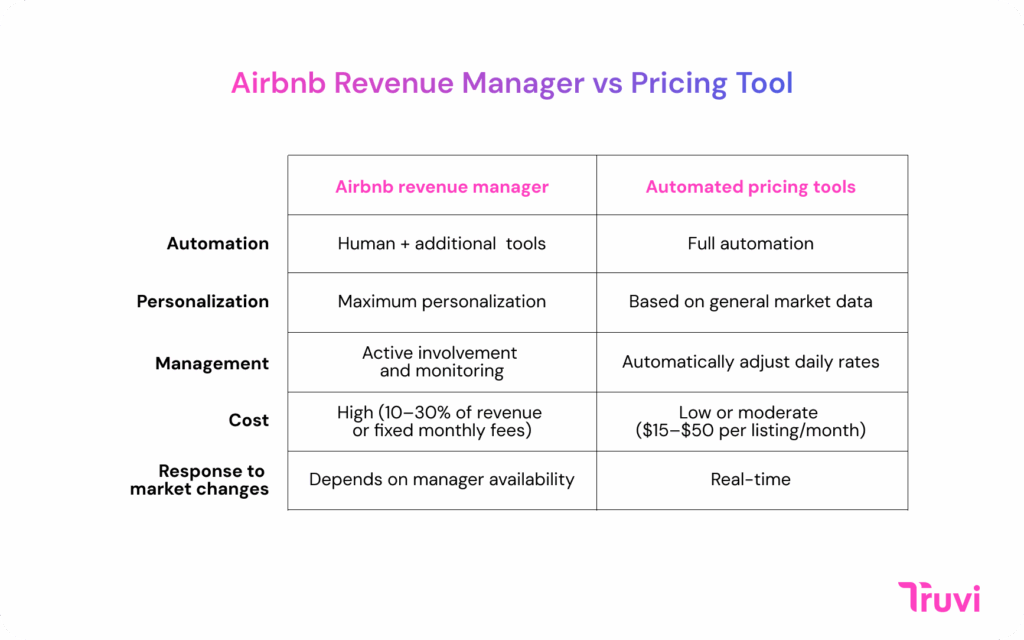
Think of it as a dedicated revenue manager working 24/7, monitoring the market and adjusting your strategy to maximize earnings. This data-driven approach is about understanding your market, guests, and property's unique potential.
Revenue Calculators: What They Actually Do
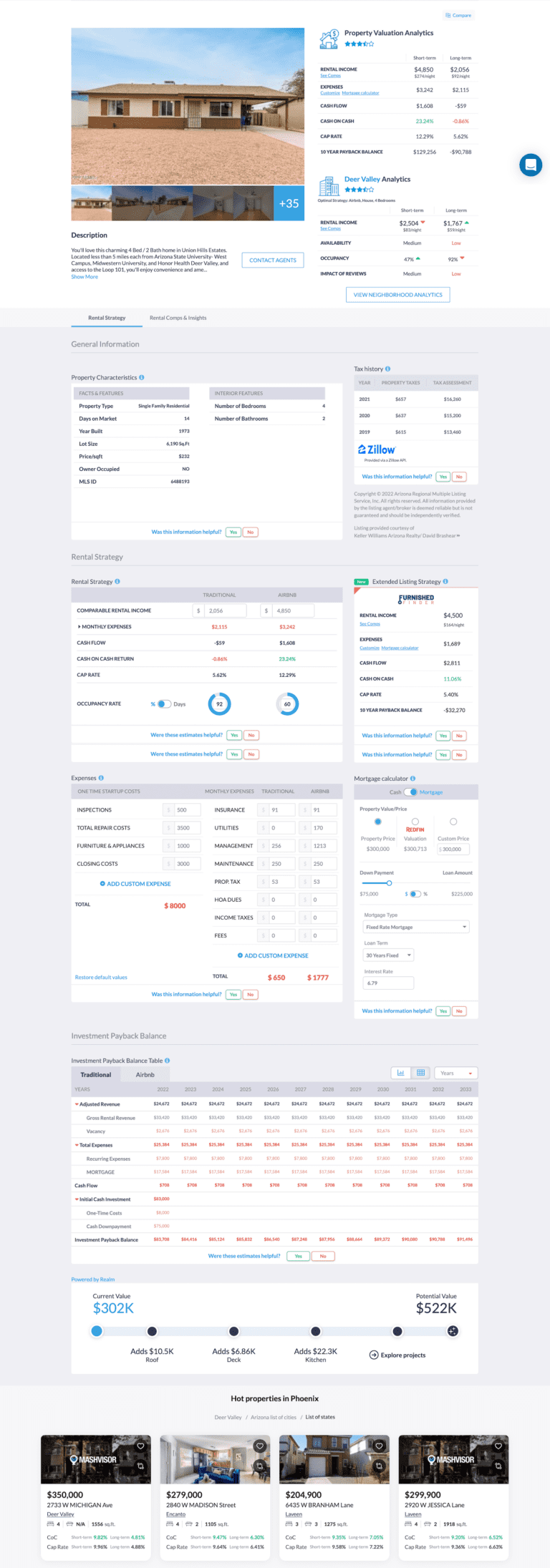
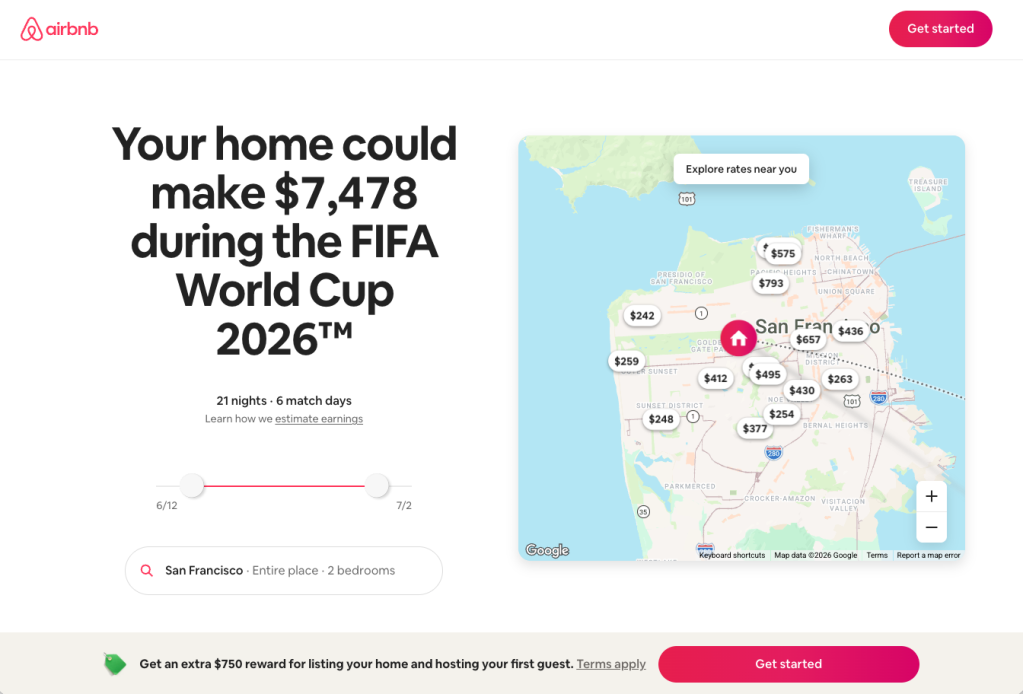
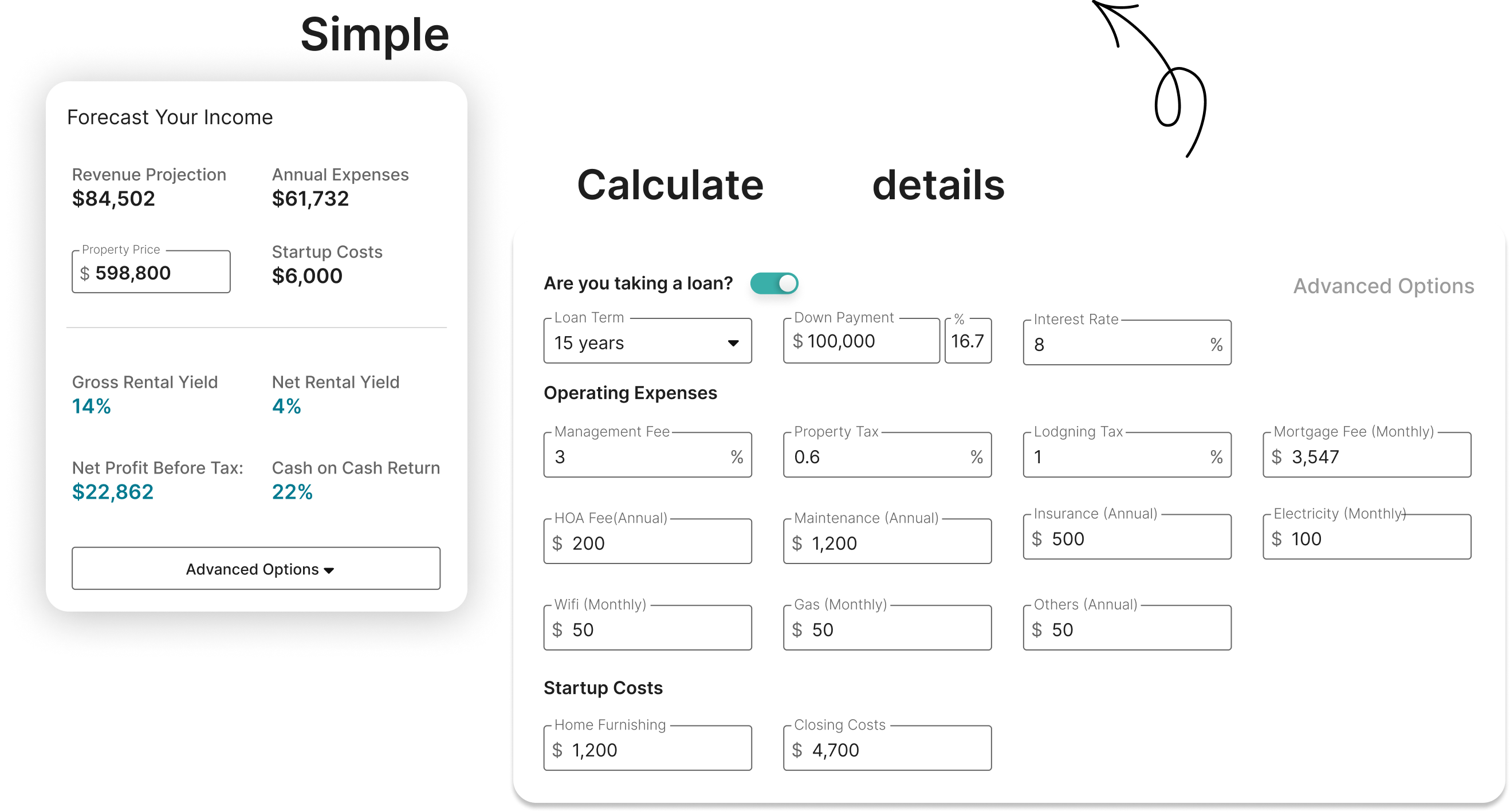
Airbnb revenue calculators, like those from AirDNA and Rabbu, are essential tools for serious hosts. These platforms use sophisticated algorithms to estimate potential earnings. AirDNA focuses on market data and competitive analysis, while Rabbu offers a user-friendly interface and quick estimates.
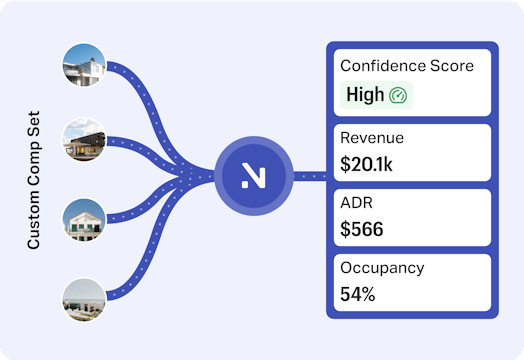
These calculators ingest data on comparable properties in your area—size, amenities, location, and nightly rates. They factor in occupancy rates, seasonal demand, and local events to generate a revenue projection. The basic principle is straightforward: similar properties in similar markets tend to perform similarly.
These are predictions, not guarantees. They're based on historical data and current trends, but unexpected events can impact earnings. Use these tools as a starting point for your revenue management strategy, not a definitive answer. Use your own judgment and consider your property’s unique characteristics. They help understand potential, but a human touch is still needed.
Key Metrics AI is Optimizing
AI-powered analytics focus on key metrics to maximize Airbnb revenue. Dynamic pricing automatically adjusts nightly rates based on real-time demand, competitor pricing, and upcoming events. This ensures you charge the optimal rate, capturing more revenue during peak periods and remaining competitive during slower times.
Length-of-stay optimization is another element. AI identifies patterns in booking behavior and encourages longer stays by offering discounts or incentives. Longer stays are more profitable, reducing turnover costs and increasing overall occupancy. This finds the balance between maximizing nightly rate and encouraging extended bookings.
Channel management maximizes occupancy across platforms like Airbnb, VRBO, Booking.com, and direct booking websites. AI analyzes performance across channels and automatically adjusts listings for the best exposure. These metrics interact and influence each other. Optimizing one without considering the others leads to suboptimal results.
Market-Specific Insights: Where to Focus
Certain US markets consistently outperform others in Airbnb revenue. Nashville, Tennessee, remains a strong performer, driven by tourism and events. Miami, Florida, also attracts leisure and business travelers.
Austin, Texas, is another hot market, benefiting from its growing tech industry and cultural scene. Markets can change quickly. Emerging markets with high potential include Greenville, South Carolina, and Boise, Idaho, which are experiencing rapid growth and increasing tourism.
Here’s a quick look at some projected top performers:
- Nashville, TN: Projected 15% YoY growth
- Miami, FL: Projected 12% YoY growth
- Austin, TX: Projected 10% YoY growth
- Greenville, SC: Projected 18% YoY growth
- Boise, ID: Projected 16% YoY growth
Top US Airbnb Markets: Performance & Risk - Projected for 2026
| Market | Average Daily Rate (ADR) | Occupancy Rate | Year-over-Year Growth | Investment Risk |
|---|---|---|---|---|
| Nashville, TN | $210 - $350 | 68% - 75% | 8% - 12% | Moderate ⚠️ |
| Miami, FL | $280 - $450 | 72% - 80% | 5% - 9% | High 📈 |
| Austin, TX | $180 - $300 | 65% - 73% | 6% - 10% | Moderate ⚠️ |
| Orlando, FL | $150 - $250 | 70% - 78% | 4% - 8% | Moderate ⚠️ |
| Savannah, GA | $170 - $280 | 75% - 85% | 7% - 11% | Low to Moderate ✅ |
| New Orleans, LA | $160 - $270 | 60% - 70% | 3% - 7% | Moderate ⚠️ |
| Phoenix, AZ | $140 - $240 | 62% - 72% | 5% - 9% | Moderate ⚠️ |
Illustrative comparison based on the article research brief. Verify current pricing, limits, and product details in the official docs before relying on it.
Beyond the Calculator: Advanced Strategies
AI's impact extends beyond pricing and occupancy. Personalized guest communication is increasingly important; AI-powered chatbots handle routine inquiries, provide local recommendations, and address guest concerns. This improves guest satisfaction and reduces workload.
Automated review responses save time and ensure you thank guests for their stay and address feedback. AI analyzes review sentiment to identify areas for improvement. This demonstrates professionalism and builds trust with potential guests.
Predictive maintenance is an emerging trend. AI analyzes data from smart home devices to identify potential maintenance issues before they become major problems, reducing costly repairs and downtime. These strategies create a seamless and enjoyable guest experience.
Real Host Stories: Seeing the Impact
Sarah Miller, a host in Nashville, Tennessee, saw her revenue increase by 35% after implementing an AI-powered dynamic pricing strategy. She initially hesitated to trust the algorithm, but the results spoke for themselves. “I was skeptical at first, but the calculator quickly proved me wrong. I’m now booking at higher rates than ever before.”
David Chen, who manages properties in Miami, Florida, credits AI-driven channel management with increasing his overall occupancy rate by 20%. “Before, I manually adjusted listings across multiple platforms, which was time-consuming and prone to errors. Now, AI does it automatically, freeing up my time to focus on other aspects of my business.”
These examples illustrate the tangible benefits AI
Future-Proofing Your Airbnb Business
The future of AI in the Airbnb market is bright, with new technologies constantly emerging. We can expect to see even more sophisticated algorithms, more personalized guest experiences, and more automation of routine tasks. Staying ahead of the curve will require a willingness to embrace these changes and invest in the right tools.
Potential risks and challenges include increased competition as more hosts adopt AI-powered strategies, and growing concerns about data privacy and security. It’s essential to choose reputable providers and prioritize the protection of your guests’ information. The key takeaway is to be proactive, adaptable, and always focused on providing exceptional guest experiences.
No comments yet. Be the first to share your thoughts!