
The shift in vacation rental growth
The post-pandemic travel surge is over. We're now in a period where inflation and interest rates are tightening budgets, meaning growth is slower and harder to find. You can't just throw a dart at a map anymore; you have to look at where people are actually spending their limited vacation days.
Looking ahead to 2026, projections suggest continued, but more strategic, growth. AirDNA and Airbtics are becoming indispensable tools for investors and hosts alike, providing the data-driven insights needed to navigate this changing landscape. These platforms aren’t just tracking occupancy rates; they’re helping us understand why people are choosing certain destinations and property types.
The days of simply buying a property in a popular tourist location and expecting instant returns are largely over. Successful investors will need to be more discerning, focusing on markets with sustainable demand and optimizing their properties to meet the needs of modern travelers. We’ll be exploring those opportunities in detail.
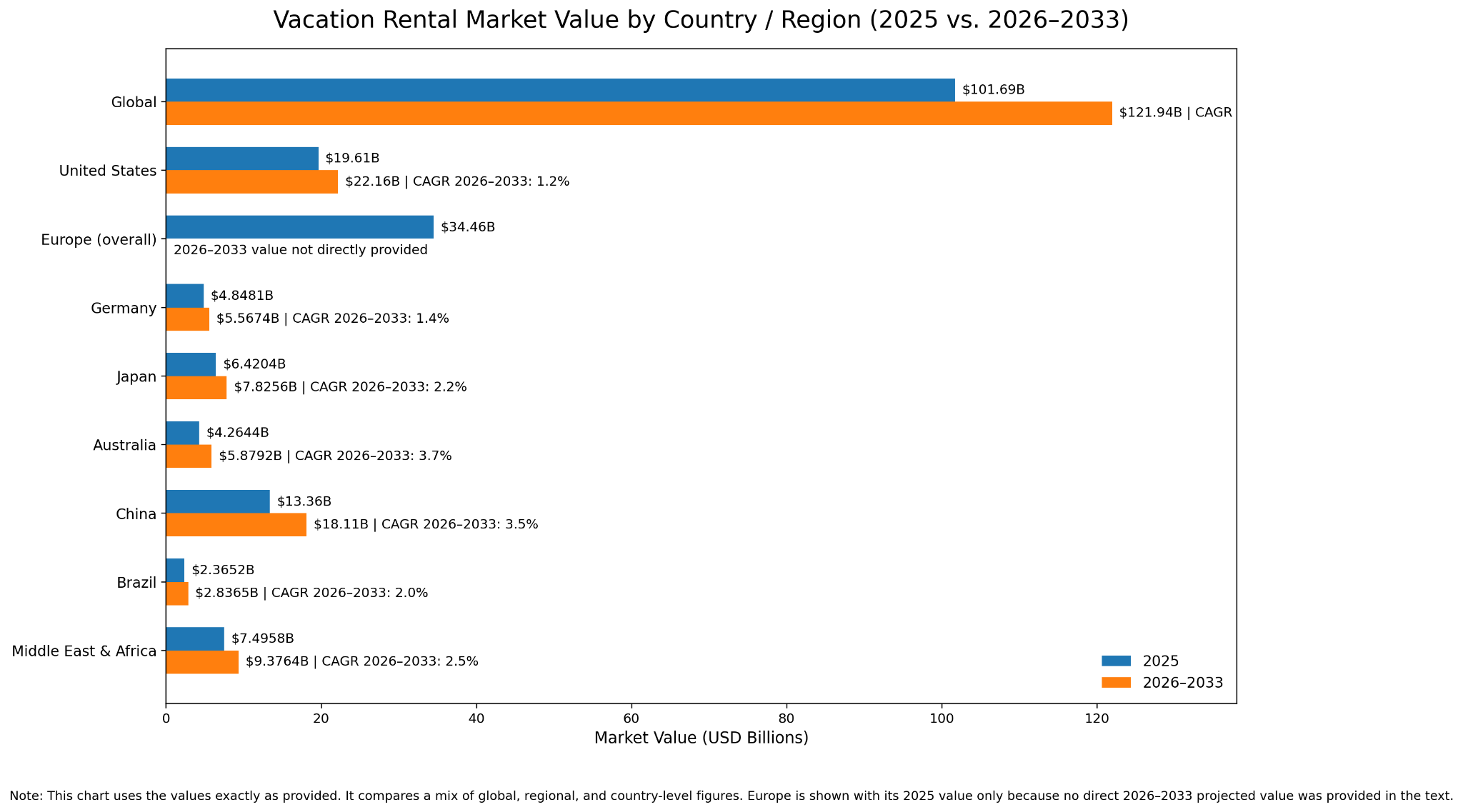
Where guests are actually booking
While established markets like Florida and Hawaii continue to draw visitors, the most significant growth is happening in unexpected places. AirDNA data reveals a surge in demand in smaller, drivable destinations – think the Smoky Mountains, the Outer Banks of North Carolina, and even certain areas of the Midwest. These locations offer a combination of affordability, outdoor recreation, and a sense of escape that appeals to a broader range of travelers.
Specific events drive the most reliable revenue now. College towns like South Bend or Ann Arbor see massive price spikes during football weekends and graduation. I've seen similar patterns in cities with established food scenes where travelers visit specifically for a weekend of dining.
For example, AirDNA reports that occupancy rates in the Pocono Mountains, Pennsylvania, have increased by 15% year-over-year, while average daily rates (ADR) have risen by 8%. This demonstrates that even traditionally overlooked areas can offer significant investment potential. Conversely, some previously hot markets are experiencing a slowdown as demand normalizes and new supply comes online.
It’s not just about location, but also timing. Understanding seasonal fluctuations and local events is crucial. A property near a ski resort will perform differently in the winter than in the summer. A home near a music festival will see a temporary surge in demand. Using vacation rental analytics to anticipate these patterns is essential.
Top 10 Fastest-Growing Vacation Rental Markets: 2024-2026 Outlook
| City/Region | 2024 Occupancy Rate | 2025 Occupancy Rate | Projected 2026 Occupancy Rate | Key Demand Drivers |
|---|---|---|---|---|
| Myrtle Beach, SC | 78.2% | 81.5% | 📈 Projected to continue strong growth | Family tourism, beaches, events 🏖️ |
| Gulf Shores, AL | 75.9% | 79.8% | 📈 Moderate growth expected | Beaches, outdoor activities, affordability |
| Phoenix/Scottsdale, AZ | 72.5% | 76.1% | 📈 Continued demand, potentially stabilizing | Warm weather, golf, spring training |
| Nashville, TN | 74.3% | 77.9% | 📈 Growth may moderate as supply increases | Music scene, nightlife, events |
| Orlando, FL | 80.1% | 82.7% | 📈 Consistent demand, theme park proximity | Theme parks, family travel 🎢 |
| Savannah, GA | 76.8% | 80.3% | 📈 Strong growth driven by tourism | Historic district, Southern charm, events |
| Outer Banks, NC | 73.1% | 75.6% | 📈 Steady growth, seasonal demand | Beaches, outdoor recreation, family vacations |
| Palm Springs, CA | 68.5% | 72.2% | 📈 Potential for growth with increased accessibility | Mid-century modern architecture, desert lifestyle, events |
Illustrative comparison based on the article research brief. Verify current pricing, limits, and product details in the official docs before relying on it.
The Rise of 'Bleisure' and Longer Stays
Remote work isn't a trend anymore; it's a standard requirement for guests. If your rental doesn't have a desk and 500 Mbps internet, you're losing the 'bleisure' crowd. These guests want a place where they can take a Zoom call in the morning and hit the beach in the afternoon.
Airbtics data confirms a significant increase in the average length of stay. In 2023, the average stay was 3.5 nights. In 2024, that number has climbed to 4.2 nights, and projections for 2026 suggest it will continue to rise. This shift towards longer stays has several implications for investors. It means lower turnover costs, reduced cleaning fees, and the potential for higher overall revenue.
Properties that cater to families and groups are particularly well-positioned to benefit from this trend. Larger homes with multiple bedrooms and bathrooms, as well as amenities like private pools and outdoor spaces, are in high demand. Hosts who can provide a comfortable and convenient experience for remote workers and families will be the ones who thrive.
Property Types Winning in 2026
When it comes to property types, the sweet spot appears to be 2-bedroom and 3-bedroom homes. AirDNA data consistently shows that these sizes offer the best balance of demand and revenue potential. Studios and 1-bedroom units are popular, but often attract shorter stays and lower ADRs. Larger properties (4+ bedrooms) can generate high revenue, but also come with higher operating costs and require more maintenance.
Pet-friendly properties are also experiencing a surge in demand. A growing number of travelers are bringing their furry companions on vacation, and they’re willing to pay a premium for accommodations that welcome pets. However, it’s important to carefully consider the potential downsides, such as increased cleaning costs and potential damage.
Luxury rentals continue to perform well, but the mid-range market is gaining ground. Travelers are becoming more price-conscious, and they’re looking for properties that offer a good value for their money. This means investing in quality furnishings, comfortable amenities, and a clean, well-maintained property.
Here are a few property types that are poised for success in 2026:
- Two-bedroom homes offer the best ROI because they fit both small families and couples.
- 3-Bedroom Homes: Perfect for families and small groups.
- Pet-friendly listings command higher nightly rates since many travelers refuse to leave dogs behind.
- Homes with Outdoor Space: Decks, patios, and yards are highly desirable.
- Properties with High-Speed Internet: Essential for "bleisure" travelers.
Featured Products

Keyless entry via keypad or smartphone · Remote lock/unlock and guest access management · Easy installation on most standard doors
Enhance security and guest convenience with keyless entry, a must-have for modern vacation rentals.

Monitors noise, occupancy, motion, and temperature · Helps ensure compliance with local regulations · Provides real-time alerts for peace of mind
Ensure guest comfort and property protection by monitoring key environmental factors and occupancy levels.

Next-generation Wi-Fi 7 technology for faster speeds · Dual-band connectivity with multiple high-speed ports · Enhanced security features and EasyMesh compatibility
Provide guests with blazing-fast, reliable internet, a critical amenity for today's travelers.

Compact, travel-sized cleaning essentials · Includes surface wipes, fabric cleaner, and more · Convenient for quick touch-ups between guests
Maintain impeccable cleanliness with this convenient kit, ensuring a fresh and welcoming space for every arrival.

Comfortable zero-gravity reclining design · Includes convenient cup holder and side table · Durable, weather-resistant construction for outdoor use
Offer guests a relaxing outdoor oasis with these comfortable and practical lounge chairs, perfect for enjoying the scenery.
As an Amazon Associate I earn from qualifying purchases. Prices may vary.
Dynamic pricing is no longer optional
In today’s competitive market, static pricing is a recipe for lost revenue. Dynamic pricing – adjusting rates based on demand, seasonality, and competitor pricing – is essential for maximizing occupancy and profitability. Tools like AirDNA and Airbtics provide real-time data on market trends, allowing hosts to optimize their pricing strategies.
AI-powered pricing algorithms are becoming increasingly sophisticated. These algorithms analyze vast amounts of data to identify optimal pricing points, taking into account factors like day of the week, local events, and competitor rates. While these tools aren’t perfect, they can significantly improve revenue performance.
Don’t underestimate the importance of understanding your local market. What’s happening in your city or town? Is there a major conference or festival coming up? Adjust your rates accordingly. Short term rental investment success relies on this kind of responsiveness.
Average Daily Rate (Vacation Rentals) Price Prediction 2026
Bull / Base / Bear scenario analysis
| Timeframe | Bull Case | Base Case | Bear Case | Key Driver |
|---|---|---|---|---|
| 1 Month | $165-320 | $155-305 | $145-285 | Spring booking surge and AI optimization adoption |
| 3 Months | $175-340 | $160-315 | $140-280 | Summer peak season demand and dynamic pricing maturation |
| 6 Months | $185-360 | $165-325 | $135-275 | Market consolidation and premium property differentiation |
| 1 Year | $195-380 | $170-335 | $130-270 | AI-powered revenue optimization and supply-demand rebalancing |
Price Prediction Summary
Vacation rental ADRs are expected to see moderate growth through 2026, driven by AI-powered pricing optimization and continued travel recovery. Premium markets may outperform significantly, while oversaturated areas face pricing pressure. The wide range reflects varying market conditions across different property types and locations.
Key Factors Affecting Average Daily Rate (Vacation Rentals) Stock Price
- AI-driven dynamic pricing adoption rates
- Travel demand recovery and consumer spending patterns
- New supply additions in key markets
- Regulatory changes affecting short-term rentals
Disclaimer: Predictions are speculative and not financial advice. Stock price predictions are based on current market analysis and may vary significantly due to market volatility, economic conditions, and other unpredictable factors. Always do your own research before making investment decisions.
Regulation and Restrictions: Navigating the Challenges
The growing popularity of vacation rentals has led to increased scrutiny from local governments. Many cities and towns are implementing regulations and restrictions, such as limits on the number of rental days, licensing requirements, and zoning restrictions. These regulations can significantly impact investment opportunities.
For example, New York City has implemented strict rules on short-term rentals, effectively banning most rentals of less than 30 days. Other cities, like Nashville and Austin, are considering similar measures. It’s crucial for investors to conduct thorough due diligence and understand the local regulations before investing in a property.
Navigating these regulations can be complex and time-consuming. It’s often advisable to work with a local attorney or property manager who is familiar with the local rules. Ignoring these regulations can result in hefty fines and even legal action.
No comments yet. Be the first to share your thoughts!