
The 2026 regulatory shift
The short-term rental market is facing a period of significant regulatory change. Across major US cities, we’re seeing a clear trend toward increased restrictions on platforms like Airbnb and Vrbo. This isn’t simply a matter of slowing growth; many cities are actively curtailing the number of permissible short-term rentals, introducing stricter licensing, and imposing occupancy limits. 2026 is shaping up to be a critical year as many of these new regulations come into full effect and enforcement ramps up.
These changes are driven by a number of factors, including concerns about housing affordability, neighborhood disruption, and hotel industry lobbying. Cities are attempting to balance the economic benefits of tourism with the needs of long-term residents. The result is a patchwork of regulations that vary significantly from one location to another, creating a complex environment for investors and hosts. Understanding these shifts is no longer optional; it’s essential for anyone involved in short-term rental investments.
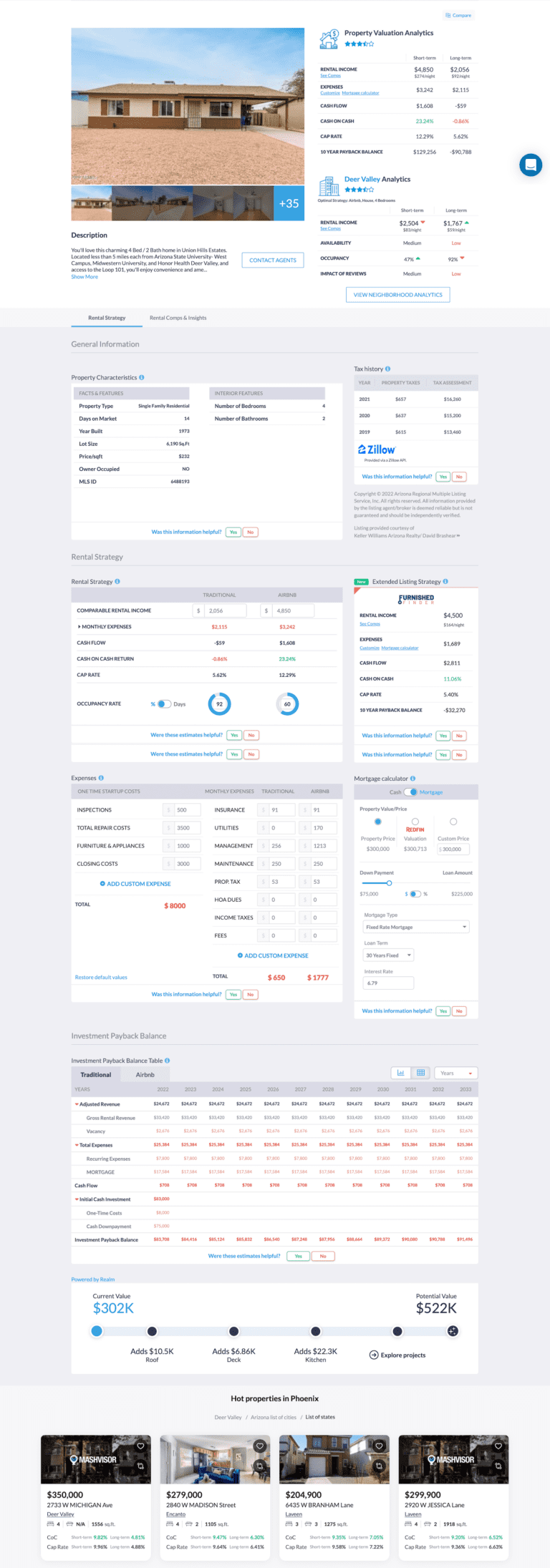
We updated our ROI calculator because the old math doesn't work anymore. We pulled fresh data from AirDNA and Rabbu to account for new permit fees and the reality of lower occupancy. The 'easy money' era is over, and our tool now reflects the actual costs of staying legal.
Cities leading the crackdown
Several major US cities are at the forefront of these regulatory changes. New York City, for example, implemented Local Law 18 in September 2023, requiring hosts to register with the city and restricting rentals to those where the host is present. This has dramatically reduced the number of available listings and increased operating costs for those who remain compliant. The impact is substantial, with some estimates suggesting a 70% reduction in available units.
Los Angeles is another hotspot. While not as restrictive as New York City, LA has tightened its rules around short-term rentals, focusing on enforcement of existing regulations and introducing new requirements for permits and inspections. Miami is facing increasing pressure to regulate the market, particularly in popular beachside neighborhoods, with discussions around stricter zoning laws and occupancy limits. The city is facing a housing shortage and residents are pushing for tighter controls.
Austin, Texas, a previously relatively open market, has also begun to introduce restrictions. The city council recently approved regulations limiting the number of short-term rental permits and requiring stricter safety standards. Nashville, Tennessee, is grappling with similar issues, with debates around limiting the number of non-owner-occupied rentals and increasing enforcement of existing rules. These cities are all responding to similar pressures – the tension between tourism revenue and local housing needs.
In each of these markets, the cost of compliance is rising. Licensing fees, legal counsel, and property upgrades are all adding up, impacting profitability. We're seeing a clear correlation between increased regulation and reduced rental income, particularly for properties that were previously operating outside the legal framework. Investors need to factor these costs into their calculations and be prepared for a more challenging operating environment.
The price of staying legal
Complying with new short-term rental regulations isn’t free. Costs vary significantly by city, but they can quickly add up. In New York City, the annual registration fee alone is $145, but this doesn’t include the cost of inspections, legal review of rental agreements, and potential fines for non-compliance. Los Angeles requires a permit that can cost several hundred dollars annually, plus inspection fees.
Beyond the direct fees, there are indirect costs to consider. Many cities are requiring properties to meet specific safety standards, such as installing smoke detectors, carbon monoxide detectors, and fire extinguishers. These upgrades can range from a few hundred to several thousand dollars, depending on the property's age and condition. Legal counsel is often necessary to navigate the complex regulatory landscape and ensure compliance with local laws. Hourly rates for attorneys specializing in short-term rental law can easily exceed $300.
The potential for fines is also a significant cost. Non-compliance can result in penalties ranging from a few hundred to several thousand dollars per violation. For example, operating an illegal short-term rental in New York City can result in fines of up to $1,000 per day. These fines can quickly erode profits and make short-term rental investments unsustainable. It’s essential to understand the specific regulations in each market and budget accordingly.
- NYC registration costs $145 per year
- LA permits run between $300 and $500 annually
- Safety Upgrades: $500 - $5,000+
- Legal Counsel: $300+/hour
Estimated Compliance Costs for Airbnb Hosts - Major US Cities (2024 Data)
| City | Licensing Fee | Legal Consultation (Estimated) | Property Upgrade Costs (Range) | Potential Fine (First Offense) |
|---|---|---|---|---|
| NYC | Approximately $100 - $300 (Registration Fee) | Highly Variable, $500 - $2,500+ | Potentially Significant: $1,000 - $10,000+ (depending on required upgrades for safety/habitability) | Up to $1,000 (initial violations); escalating fines possible |
| Los Angeles | Varies by property type; $90 - $500+ annually | Moderate, $300 - $1,500+ | Low to Moderate: $500 - $5,000 (potential for smoke detector/carbon monoxide upgrades) | Up to $500 |
| Miami | Approximately $100 - $500 annually | Moderate, $400 - $1,200+ | Low to Moderate: $300 - $3,000 (potential for permit-related improvements) | Up to $500 |
| Austin | Approximately $50 - $250 annually | Moderate, $300 - $1,000+ | Low to Moderate: $200 - $2,000 (potential for permitting and inspection costs) | Up to $500 |
| Nashville | Approximately $100 - $300 annually | Moderate, $400 - $1,500+ | Low to Moderate: $400 - $4,000 (potential for life safety upgrades) | Up to $50 |
Illustrative comparison based on the article research brief. Verify current pricing, limits, and product details in the official docs before relying on it.
How we updated the ROI model
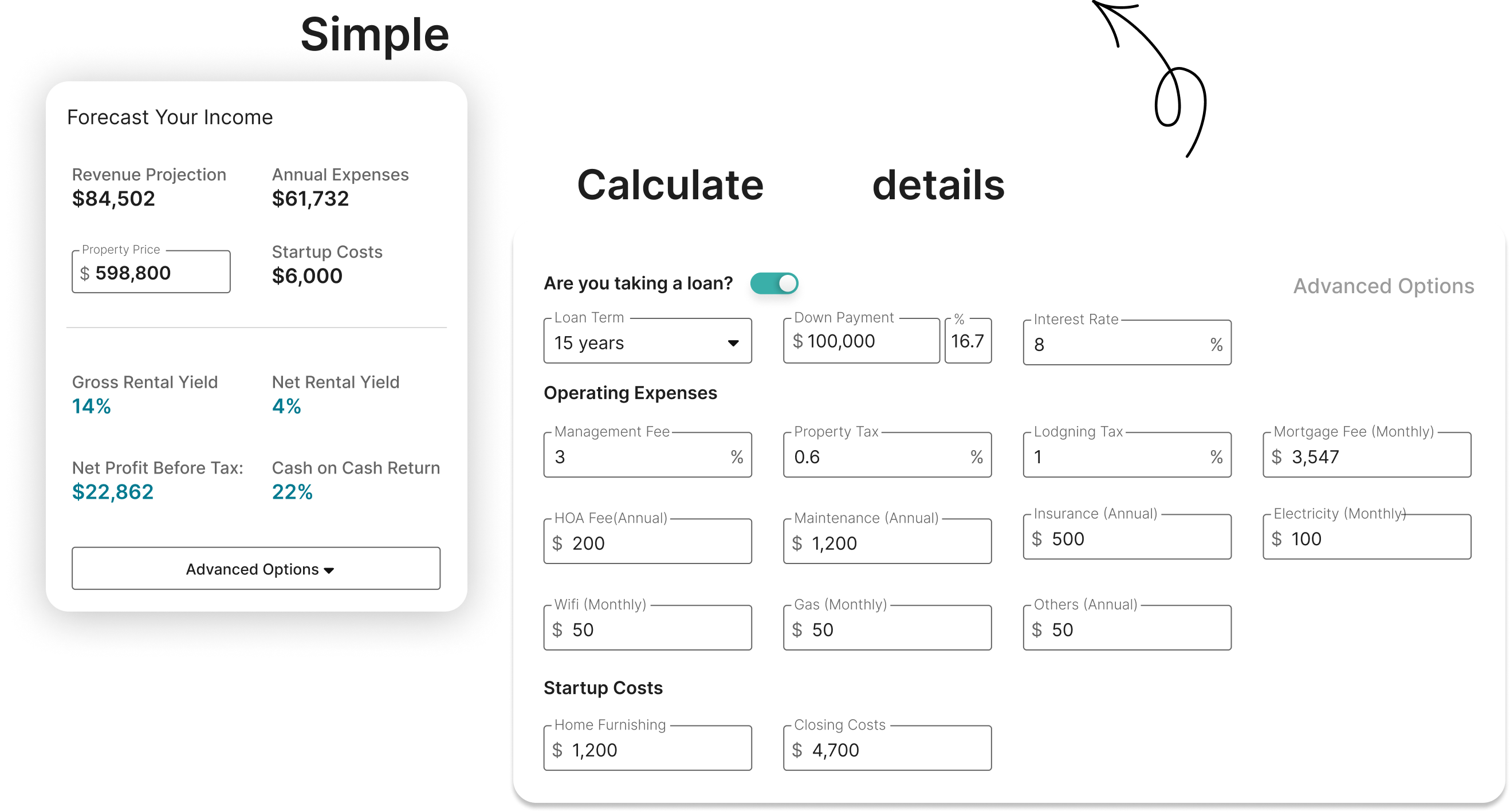
BNB Stats’ rental property roi calculator has been significantly updated to incorporate the latest regulatory changes. Previously, the calculator focused primarily on occupancy rates, average daily rates, and operating expenses. Now, it includes a dedicated section for compliance costs, allowing investors to input licensing fees, legal expenses, and property upgrade costs specific to their target market.
We’ve integrated data from AirDNA and Rabbu to estimate potential revenue adjustments based on regulatory restrictions. For example, in markets with strict occupancy limits, the calculator automatically reduces projected occupancy rates accordingly. We've also included a variable for potential fines, allowing investors to assess the financial risk of non-compliance. The model now factors in the probability of inspections and the likelihood of receiving a violation notice.
The calculator shows exactly where the numbers come from, including our guesses on permit costs and how much occupancy will drop. We use AirDNA for daily rates and Rabbu for local trends. These are still estimates—your specific property might perform differently—but it's a better starting point than ignoring the new laws.
Real-world revenue drops
Let's look at a few examples. In New York City, a 2-bedroom apartment in Manhattan that previously generated $6,000 per month in rental income is now projected to earn only $2,500 per month due to the restrictions imposed by Local Law 18. Compliance costs, including registration fees and legal expenses, add another $500 per month. This represents a significant reduction in profitability.
In Austin, Texas, a 3-bedroom house that previously generated $4,500 per month is now projected to earn $3,800 per month after accounting for the new permit requirements and reduced occupancy rates. The cost of obtaining and maintaining a permit adds another $300 per month. While the impact is less severe than in New York City, it still represents a substantial decrease in revenue.
Conversely, a property in a market with limited regulation, such as rural Florida, may see minimal impact. A 2-bedroom condo generating $3,000 per month may only experience a slight increase in insurance costs due to increased scrutiny of short-term rentals. These case studies demonstrate the importance of understanding the specific regulatory environment in each market.
Navigating the Legal Maze
Staying informed is paramount. Regularly check your local city and county websites for updates on short-term rental regulations. Subscribe to newsletters from industry associations and legal firms specializing in short-term rental law. Don’t rely on hearsay or outdated information – verify everything with official sources.
Seeking legal counsel is highly recommended, especially if you’re unfamiliar with local regulations. An attorney can review your rental agreements, advise you on compliance requirements, and represent you in the event of a dispute. Maintaining accurate records is also crucial. Keep detailed records of all rental income, expenses, and compliance documentation.
Resources like the American Short-Term Rental Association (ASTRA) and local housing authorities can provide valuable information and guidance. Don't hesitate to reach out to these organizations for assistance. Proactive compliance is always cheaper than reactive damage control.
Where the data comes from
AirDNA and Rabbu are both valuable data sources, but they use different methodologies and collect data in different ways. AirDNA focuses primarily on scraping data from Airbnb and Vrbo, while Rabbu combines scraped data with direct partnerships with property managers. This can lead to discrepancies in reported occupancy rates, average daily rates, and revenue projections.
AirDNA tends to have more comprehensive coverage, particularly in smaller markets, while Rabbu often provides more detailed data on specific properties. Neither source is perfect, and both have limitations. It’s important to cross-reference data from multiple sources and be aware of the potential for inaccuracies. Relying on a single data source can lead to flawed investment decisions.
At BNB Stats, we use both AirDNA and Rabbu to validate our data and provide a more comprehensive picture of the market. We acknowledge the inherent limitations of each source and strive to provide transparent and unbiased analysis. Investors should always conduct their own due diligence and verify any information before making investment decisions.
No comments yet. Be the first to share your thoughts!