
The 40% revenue jump
Data indicates a significant shift in short-term rental profitability. Hosts leveraging AI-powered analytics are, on average, seeing a 40% increase in revenue compared to those relying on traditional methods. This isn't a gradual improvement; the data suggests a clear divergence in performance. We’re seeing this acceleration now, and it's poised to become even more pronounced as AI tools mature.
This boost isn't about magic; it’s about informed decision-making. AI algorithms analyze vast datasets – far beyond what any individual host could reasonably track – to identify optimal pricing, predict demand fluctuations, and pinpoint lucrative market opportunities. The core of this change is the ability to move beyond gut feelings and base strategies on concrete data.
By 2026, these tools are no longer just for large property management firms. Small owners are using them to compete. If you aren't using data to price your home, you're likely leaving money on the table for those who do.
The evolution of revenue management tools is remarkable. We’ve moved from simple spreadsheets and basic market comparisons to sophisticated platforms capable of real-time analysis and automated adjustments. This transition is fundamentally changing how successful Airbnb hosts operate.
AirDNA and BNBCalc
AirDNA Adapt and BNBCalc are the main players here. AirDNA Adapt uses its existing database to suggest prices that change with the market. It explains the logic behind a price hike or drop, which helps if you're nervous about trusting an algorithm.
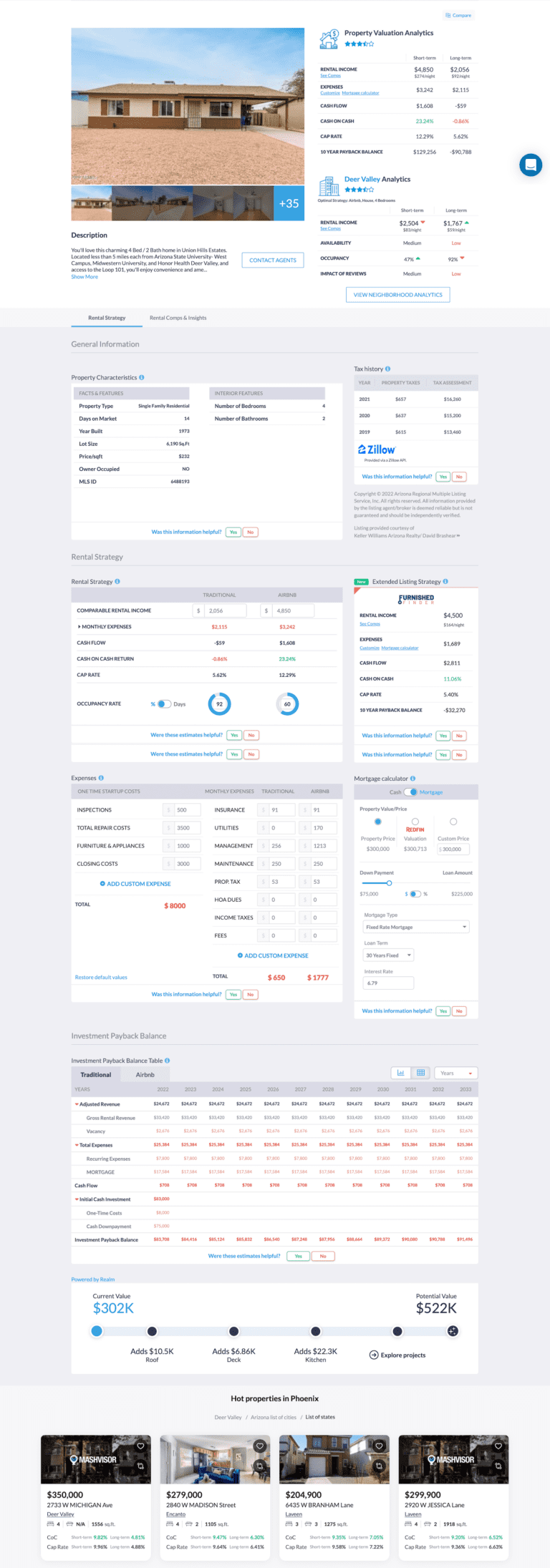
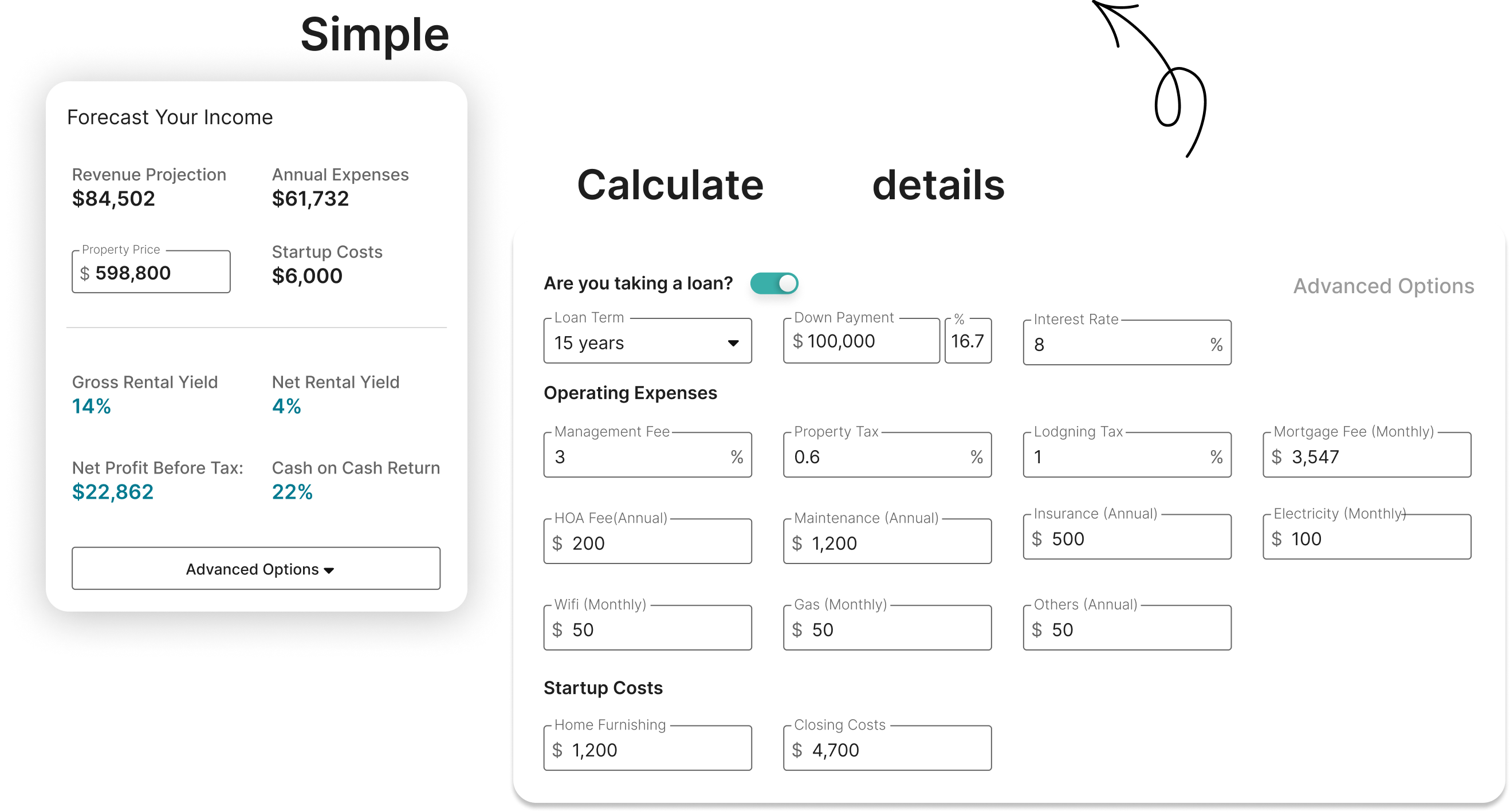
BNBCalc offers a similar suite of tools, emphasizing a comprehensive approach to revenue and expense tracking. It doesn’t just predict earnings; it helps hosts understand the full financial picture, including insurance costs and potential maintenance expenses. Their partnership with Steadily Insurance highlights a focus on mitigating risk alongside maximizing profit.
Both platforms leverage a wealth of data points, including occupancy rates, average daily rates (ADR), seasonality trends, and competitor performance. However, their approach differs slightly. AirDNA seems to prioritize adaptability and real-time adjustments, while BNBCalc places a stronger emphasis on holistic financial management. The choice depends on a host’s specific needs and priorities.
The thinking behind these tools is a departure from static pricing models. They recognize that the short-term rental market is dynamic and requires constant monitoring and adjustment. They aren’t just looking at historical data; they’re attempting to anticipate future trends and react accordingly. This is where the power of AI truly comes into play, recognizing patterns and correlations that humans might miss.
Dynamic pricing beyond the basics
AI-powered dynamic pricing goes far beyond simply adjusting prices based on supply and demand. While those factors remain important, modern algorithms consider a much broader range of variables. Seasonality, of course, is a key driver, but AI can also factor in local events – concerts, festivals, conferences – that create temporary spikes in demand.
Competitor pricing is analyzed in detail, not just the average rate but also the pricing strategies of similar properties. AI can identify opportunities to undercut competitors or position a listing as a premium option. More sophisticated systems even analyze competitor listing descriptions and amenities to identify areas for improvement.
Weather matters too. If a storm is coming, the software can drop your price to attract a last-minute local booking before the weekend is a total loss. It does this automatically so you don't have to watch the news 24/7.
However, these systems aren't foolproof. They rely on accurate data and well-defined algorithms. There are scenarios where human intervention is still needed, particularly in response to unexpected events or unique local circumstances. A major local disruption, for instance, might require a manual override of the automated pricing system.
Finding opportunity in saturated markets
AI analytics are invaluable for identifying markets that are becoming oversaturated. By tracking key metrics like occupancy rates and average daily rates, these tools can pinpoint areas where competition is increasing and profits are declining. Declining ADR and stagnant occupancy are clear indicators of saturation.
Conversely, AI can also identify 'opportunity zones' – areas where demand is growing rapidly but the supply of short-term rentals is still limited. These zones present lucrative investment opportunities for hosts willing to enter the market early. Rabbu’s data and tools can help identify these locations.
Hosts can use these insights to make informed investment decisions. Instead of blindly investing in popular tourist destinations, they can focus on emerging markets with high growth potential. This proactive approach can significantly increase their return on investment.
Data points indicating saturation include consistently low occupancy rates (below 60%), declining average daily rates, and a high concentration of similar listings. Conversely, opportunity zones are characterized by increasing occupancy rates, rising ADR, and limited competition.
Using data to write better descriptions
AI can analyze successful Airbnb listings to identify the keywords, phrases, and descriptions that resonate with potential guests. By scanning thousands of listings, algorithms can determine which terms are most frequently associated with high occupancy rates and positive reviews. It’s about understanding what guests are searching for.
Hosts can use these insights to improve their listing copy, ensuring that it’s optimized for search and effectively communicates the unique value proposition of their property. This isn’t just about stuffing keywords into the description; it’s about crafting compelling and informative content.
Several AI-powered tools can now automatically generate listing descriptions based on property features and target audience. While these tools can be helpful, it’s important to review and edit the generated content to ensure accuracy and authenticity.
There are ethical considerations to using AI-generated content. Transparency is key. Hosts should not misrepresent their property or mislead guests. It's also important to ensure that the content is original and doesn’t infringe on any copyrights.
Predicting peak seasons
AI algorithms can forecast future demand with remarkable accuracy by analyzing historical data, upcoming events, and broader economic trends. This allows hosts to proactively adjust their pricing and availability to maximize revenue during peak seasons. It's about anticipating demand, not just reacting to it.
Hosts can accurately predict peak seasons several months in advance, allowing them ample time to prepare their property and optimize their marketing efforts. The accuracy of these forecasts improves as more data becomes available. The best systems are constantly learning and refining their predictions.
However, forecasts are not perfect. Unexpected events – natural disasters, economic downturns, global pandemics – can disrupt even the most sophisticated models. It’s important to treat forecasts as probabilities, not certainties.
Hosts can use this information to adjust their pricing, block off dates, and increase their marketing spend during peak seasons. Conversely, they can offer discounts and promotions during slower periods to attract bookings.
How automation affects guests
AI is increasingly being used to enhance the guest experience, leading to higher ratings and repeat bookings. Chatbots provide instant support, answering frequently asked questions and resolving minor issues. Personalized recommendations suggest local attractions and activities based on guest preferences.
Automated check-in/check-out processes streamline the arrival and departure experience, reducing friction and improving convenience. These small improvements can have a significant impact on guest satisfaction.
AI is also being used to analyze guest reviews, identifying areas where hosts can improve their property or service. This feedback loop allows hosts to continuously optimize the guest experience. I'm not sure about the extent of this, but it's a logical progression.
A better guest experience not only leads to higher ratings but also fosters loyalty and encourages repeat bookings, ultimately contributing to increased revenue. It’s a virtuous cycle.
No comments yet. Be the first to share your thoughts!