
Record Occupancy: The New Normal?
Airbnb occupancy rates hit record highs in 2026. Data from AirDNA and Airbtics show a sustained surge in bookings, indicating a fundamental change in travel habits and accommodation choices.
Several factors contribute to this trend. Pent-up demand from the pandemic years continues to influence travel. The rise of remote work allows more people to travel for extended periods, often opting for rentals over hotels. Travelers also seek unique accommodations and experiences, which Airbnb offers.
This trend isn't uniform across all markets. Coastal destinations and popular tourist cities see the biggest jumps, but smaller areas offering outdoor activities and a slower pace of life, like Colorado mountain towns or North Carolina's Outer Banks, are also benefiting.
The sustained nature of this occupancy, beyond just peak season bumps, indicates a shift in traveler behavior and growing acceptance of short-term rentals as a primary accommodation option.
Occupancy by Region: Where's Hot?
The US leads occupancy gains. AirDNA data from Q2 2026 shows a national average occupancy rate of 78%, a 12% increase from Q2 2023. Specific cities show even more dramatic increases.
Charleston, South Carolina, has occupancy rates exceeding 85%. Savannah, Georgia, and Nashville, Tennessee, report increases of over 15% year-over-year. These cities attract visitors with historical charm, cultural scenes, and more affordable pricing than major hubs.
Europe shows significant growth, with Paris at 72% occupancy (a 9% increase), boosted by the upcoming 2028 Olympics. Coastal areas in Spain and Italy, including Barcelona and Rome, also perform well. Asia-Pacific is experiencing rapid growth, particularly in Thailand and Vietnam, following earlier pandemic restrictions.
Seasonality still impacts occupancy, with peaks during summer and holidays. However, the overall trend shows higher rates throughout the year, even in traditionally slower periods.
- Charleston, SC: 85% occupancy
- Savannah, GA: 83% occupancy
- Nashville, TN: 82% occupancy
- Paris, France: 72% occupancy
Key Airbnb Market Performance: 2024-2026
| Market | Occupancy Rate (2024) | Occupancy Rate (2025) | Occupancy Rate (2026) | Average Daily Rate (ADR) - 2026 | RevPAR (2026) |
|---|---|---|---|---|---|
| Miami, FL | 68.2% | 72.5% | 78.9% | $285 | $225 |
| Nashville, TN | 65.7% | 70.1% | 76.3% | $210 | $160 |
| Orlando, FL | 70.5% | 74.8% | 75.8% | $180 | $136 |
| Austin, TX | 62.3% | 67.9% | 74.1% | $230 | $171 |
| Phoenix, AZ | 64.8% | 69.5% | 73.5% | $195 | $144 |
| Las Vegas, NV | 71.1% | 75.3% | 72.9% | $165 | $120 |
| New Orleans, LA | 66.9% | 71.2% | 71.7% | $200 | $143 |
| Savannah, GA | 63.5% | 68.7% | 70.8% | $175 | $124 |
| Charleston, SC | 67.4% | 72.1% | 69.9% | $240 | $168 |
Illustrative comparison based on the article research brief. Verify current pricing, limits, and product details in the official docs before relying on it.
The Pricing Power Shift
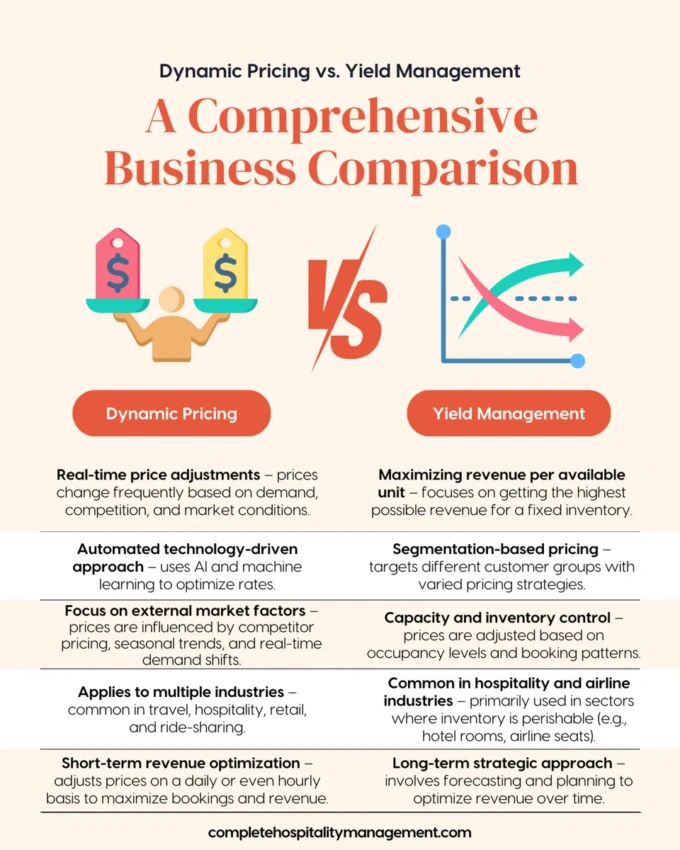
Record occupancy rates give hosts pricing power. When demand exceeds supply, hosts can charge more, but a simple rate increase isn't always the best strategy. Dynamic pricing is key.
Dynamic pricing maximizes revenue by adjusting rates based on real-time market conditions, not by overcharging guests. Tools like AirDNA Adapt analyze occupancy, competitor pricing, and local events to suggest optimal rates, balancing revenue with occupancy.
Underpricing in a high-demand market leaves money on the table. Overpricing is detrimental, risking lower occupancy, negative reviews, and a slower booking calendar. It requires a balancing act.
A data-driven approach is essential. Monitor market trends and adjust pricing accordingly, rather than relying on gut feelings. Consider discounts for longer stays or last-minute bookings to fill vacant nights. Flexibility is key.
Beyond Peak Season: Expanding the Window
While occupancy is high during peak seasons, hosts can extend earning potential by attracting guests during shoulder and off-seasons.
Beyond discounts, target niche markets. Digital nomads and remote workers, for example, may pay a premium for properties with reliable Wi-Fi and workspaces. Highlight these amenities in your marketing.
Local events like festivals, concerts, and conferences can drive demand during slower periods. Adjust pricing accordingly, but remain reasonable to avoid alienating guests.
While not every property suits year-round rentals, opportunities exist to increase occupancy by adjusting target markets or offering unique experiences, even for properties like beachfront homes in colder climates during winter.
- Offer discounts for longer stays
- Target digital nomads and remote workers
- Highlight local events in your listing description
- Consider offering unique experiences (e.g., cooking classes, guided tours)
Data-Driven Pricing: Tools and Tactics
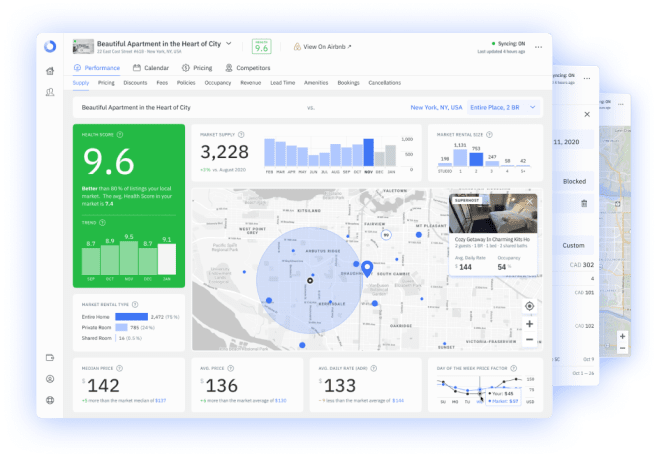
Data is readily available for hosts. While Airbnb offers basic analytics, tools like AirDNA and Airbtics provide in-depth insights into occupancy rates, pricing trends, and competitor data for a comprehensive market view.
These tools provide data for analysis and informed decision-making. Regularly monitor demand, competitor pricing, and local events to adjust pricing accordingly.
Understanding comparable properties (comps) is crucial. Identify similar properties by size, location, amenities, and quality, then compare your pricing and occupancy rates to gauge your market position.
AirDNA allows filtering comps by various criteria, while Airbtics focuses on market insights and occupancy trends. Using both offers a well-rounded perspective.
The Impact of New Listings
High occupancy and earning potential attract new hosts. Increased supply may lead to saturation in some areas, potentially lowering occupancy rates and pricing.
While a crash isn't predicted, the current growth rate is unsustainable long-term. Increased competition is likely as more properties enter the market.
To stay competitive, hosts should differentiate properties by providing unique guest experiences, investing in quality amenities, maintaining spotless properties, and offering exceptional customer service.
Specializing in a niche, such as catering to families or eco-conscious travelers, can attract a loyal customer base and command higher prices.
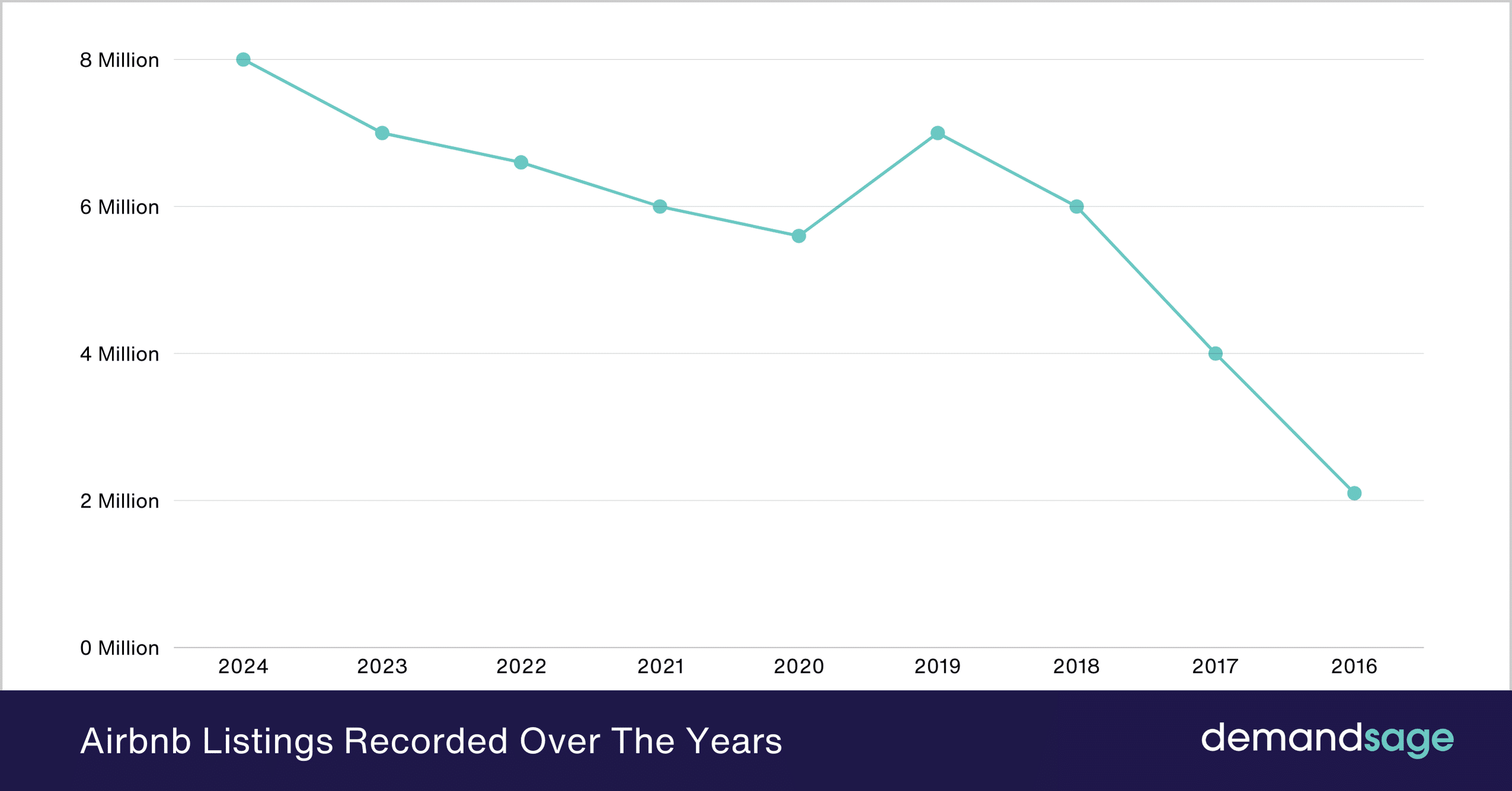
Airbnb Occupancy & Listing Growth (2024-2027)
Data: AI-generated estimate for illustration
Guest Expectations: Quality Still Matters
undefined expectations are higher than ever. A great price won’t matter if your property is dirty, poorly maintained, or lacks essential amenities. Providing a high-quality experience is paramount.
Cleanliness is non-negotiable. Guests expect a spotless property, and they’re quick to leave negative reviews if their expectations aren’t met. Invest in professional cleaning services if necessary. Amenities like high-speed Wi-Fi, comfortable bedding, and a well-equipped kitchen are also essential.
Communication and responsiveness are equally important. Respond promptly to guest inquiries and address any issues that arise during their stay. Be friendly, helpful, and accommodating. A little effort can go a long way.
Reviews are the lifeblood of any Airbnb listing. Positive reviews build trust and attract more bookings. Negative reviews can significantly damage your reputation. Strive to exceed guest expectations and encourage them to leave a review.
Looking Ahead: Sustainability and Regulation
The short-term rental market isn’t operating in a vacuum. Increased scrutiny from local governments and growing concerns about sustainability are likely to shape the future of the industry. We’re already seeing cities implement stricter regulations on short-term rentals, including permitting requirements and occupancy limits.
Responsible hosting is crucial. Minimize your impact on local communities by respecting noise ordinances, managing waste properly, and being mindful of your neighbors. Consider investing in sustainable practices, such as using energy-efficient appliances and reducing water consumption.
Staying informed about local regulations is essential. Ignorance of the law is no excuse. Make sure you’re in compliance with all applicable rules and regulations. This may require working with a local attorney or property manager.
The future of the short-term rental market is uncertain, but one thing is clear: those who prioritize guest satisfaction, responsible hosting, and compliance with regulations will be best positioned for success.
No comments yet. Be the first to share your thoughts!