
Why Static Airbnb Pricing is Leaving Money on the Table
I recently spoke with a host in Scottsdale, Arizona, who was convinced she was maximizing her rental income. She’d carefully researched comparable properties and set a nightly rate she thought was fair. Turns out, she was consistently booked, but significantly undercharging – especially during peak season and events. She was leaving money on the table, and she didn’t even know it!
The problem with static pricing is simple: it ignores the fundamental principle of supply and demand. Setting a fixed price assumes that demand remains constant, which is rarely the case. Weekends, holidays, local events – all these factors dramatically influence how much people are willing to pay for a place to stay.
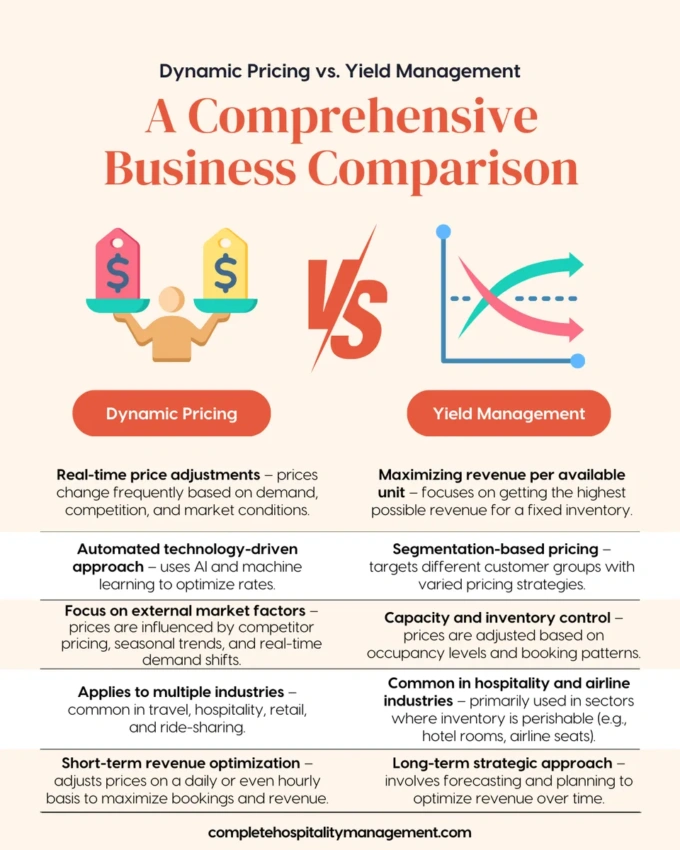
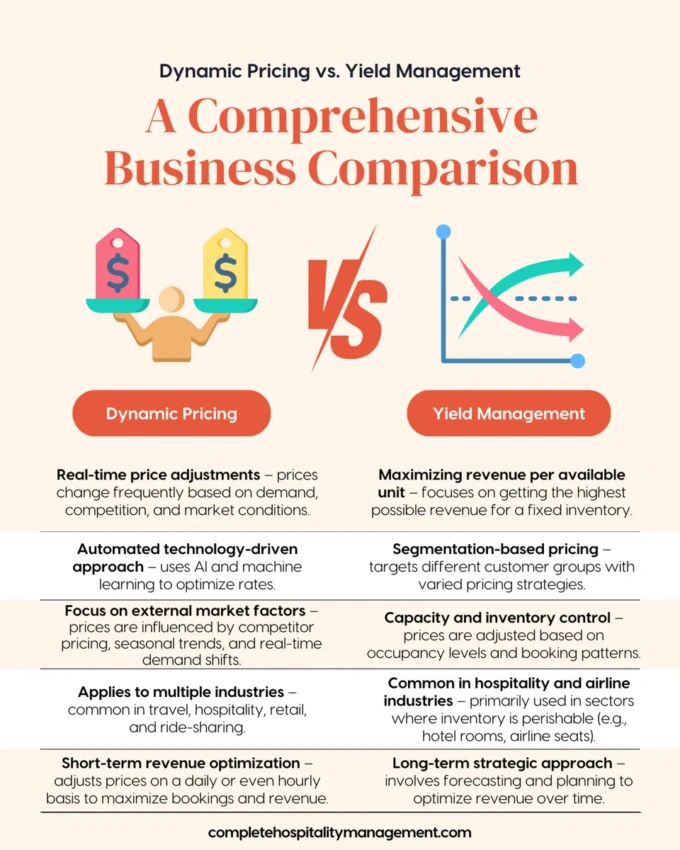
Dynamic pricing isn't about being greedy; it's about being smart. It's about adjusting your rates to reflect real-time market conditions. It's a strategy that’s becoming increasingly essential as both hosts and guests become more sophisticated. Simply matching your competitors’ prices isn’t enough anymore. You need to understand why demand is fluctuating and adjust accordingly.
The vacation rental market is evolving rapidly, and relying on a 'set it and forget it' pricing strategy is a recipe for lost revenue. Hosts who embrace dynamic pricing are the ones who will thrive in this competitive environment.
It’s true many @airbnb_au owners will just raise their rates to cover most or all of this new 7.5% tax, but that doesn’t make this law a bad thing.
— MFWitches (@MFWitches) September 20, 2023
First, because the tax will still go to build more social housing, and second because Airbnb occupancy rates should fall (because… pic.twitter.com/We9eHZ0Zf6
Understanding the Core Drivers of Airbnb Demand
Seasonality is the most obvious driver of Airbnb demand, but it’s far from the only one. Think about it: a beachfront property will command a higher price in the summer, but that’s just the beginning. Demand fluctuates on a much more granular level.
Day of the week plays a huge role. Weekends almost always see higher occupancy rates and, therefore, allow for higher pricing. Local events – concerts, conferences, festivals, even sporting events – can create significant spikes in demand. AirDNA reports show that major events can increase average daily rates by 20-50% or more.
School holidays are another major factor. Families plan vacations around school breaks, creating predictable surges in demand. And don’t underestimate the weather! A sudden heatwave might drive up demand for properties with pools, while a snowstorm could boost bookings for cozy cabins.
Essentially, when demand goes up, you can charge more. When demand dips, you need to adjust your prices to remain competitive. Understanding these drivers is the first step towards implementing an effective dynamic pricing strategy.
- Seasonality: Summer vs. Winter, peak vs. off-peak
- Day of the Week: Weekends vs. Weekdays
- Local Events: Concerts, conferences, festivals
- School Holidays: Spring break, summer vacation
- Weather: Extreme temperatures, snowstorms
Austin Airbnb Average Daily Rate (ADR) - Past 12 Months
Data: AI-generated estimate for illustration
The Three Main Approaches to Dynamic Pricing
There are three primary ways to approach dynamic pricing for your Airbnb. The first is rule-based pricing. This involves setting pre-defined rules for adjusting your rates based on specific factors. For example, "increase price by 10% on weekends’ or ‘add $20 during local events.’ It"s the simplest approach, but also the least sophisticated.
Next, we have algorithmic pricing. This relies on software that automatically adjusts your rates based on real-time data, including competitor pricing, demand forecasts, and historical trends. These tools use complex algorithms to optimize your pricing for maximum revenue. This option requires an investment in software and trust in the algorithm.
Finally, there's the hybrid approach, which combines the best of both worlds. You set some core rules, but then allow software to make adjustments within those parameters. For example, you might set a minimum and maximum price, and then let the software adjust rates based on demand.
Rule-based pricing is easy to implement but often leaves money on the table. Algorithmic pricing can be highly effective, but it requires a significant investment and can feel like relinquishing control. Hybrid pricing offers a good balance between control and automation, and it's often the most practical solution for many hosts.
Building Your Own Hybrid Dynamic Pricing System
Let’s get practical. Building a hybrid system doesn't require coding expertise. Start by identifying the specific demand drivers for your property and location. What events consistently boost occupancy in your area? Are there specific days of the week that are always in high demand? What impact do school holidays have?
Create a simple spreadsheet. List your demand drivers in the first column. In subsequent columns, create pricing rules based on those drivers. For example, you might have a rule that increases your price by 15% during a local music festival or adds $30 per night during peak summer weekends. Be specific and realistic.
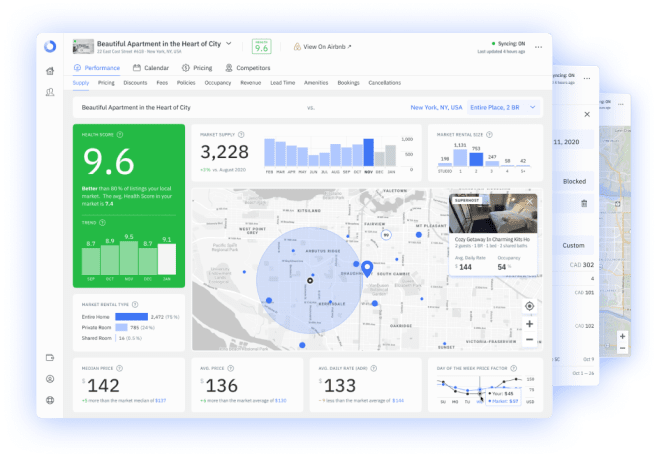
Monitor competitor pricing regularly. Tools like Airbtics can help you track what other hosts in your area are charging. This will give you a benchmark and help you identify opportunities to adjust your own rates. Don't just copy competitor prices, though. Use them as a data point.
A/B test your pricing rules. Try different price increases or decreases and see how they impact your occupancy rates. It’s a bit of trial and error, but the data will tell you what works best. Start small and iterate. Don't overcomplicate things at first – a few well-chosen rules are better than a complex system that's difficult to manage.
- Identify Key Demand Drivers: Local events, seasonality, day of the week
- Create a Spreadsheet: List drivers and corresponding pricing rules
- Monitor Competitor Pricing: Use tools like Airbtics
- A/B Test Your Rules: Experiment and track results
Tools and Platforms to Automate Your Airbnb Pricing
Several platforms can automate your Airbnb pricing, saving you time and potentially increasing your revenue. Beyond Pricing is a popular option, known for its sophisticated algorithms and integration with Airbnb. They focus on maximizing revenue through data-driven pricing adjustments.
PriceLabs is another strong contender, offering a wide range of features, including market data, competitor analysis, and customizable pricing rules. They also allow you to set minimum and maximum prices, giving you more control.
Wheelhouse is known for its user-friendly interface and focus on simplicity. It’s a good option for hosts who are new to dynamic pricing and want a tool that's easy to learn. It offers automated pricing suggestions based on market data.
Most of these tools integrate directly with Airbnb, allowing them to automatically update your prices. The features offered and the complexity of the algorithms vary, so it’s important to choose a platform that fits your needs and budget. Take advantage of free trials to test different options.
Beyond the Price: Optimizing Your Listing for Higher Occupancy
Dynamic pricing is powerful, but it’s only one part of the equation. A beautifully presented listing is essential for attracting guests and justifying higher prices. High-quality photos are non-negotiable. Showcase your property’s best features and create a welcoming atmosphere.
Write an accurate and detailed description that shows the unique benefits of your property. Be honest about what guests can expect. Responsive communication is also crucial. Respond to inquiries promptly and professionally.
Positive reviews build trust and credibility. Encourage guests to leave reviews after their stay, and address any negative feedback constructively. Amenities like Wi-Fi, parking, and a well-equipped kitchen can also add value and justify a higher price.
Even the most sophisticated pricing strategy won't work if your listing isn't appealing to potential guests. Invest time and effort in creating a listing that stands out from the competition.
- High-Quality Photos: Showcase your property's best features
- Accurate Description: Highlight unique benefits
- Responsive Communication: Promptly answer inquiries
- Positive Reviews: Encourage guests to leave feedback
- Essential Amenities: Wi-Fi, parking, kitchen
Listing Optimization Checklist
- Professional Quality Photos - High-resolution images showcasing your property's best features are crucial. First impressions matter! 📸
- Detailed & Accurate Description - Clearly outline amenities, house rules, and local attractions. Transparency builds trust. 📝
- Fast Response Time to Inquiries - Airbnb prioritizes hosts with quick response rates. Aim to respond within an hour. ⏱️
- Proactive Communication with Guests - Reach out before arrival with helpful information and during their stay to address any needs. 💬
- Maintain a Clean & Well-Maintained Property - A spotless and functional space is essential for positive reviews. ✨
- Encourage Guests to Leave Reviews - Positive reviews boost your listing's visibility and credibility. A simple follow-up message can help! ⭐
- Competitive Pricing Analysis - Regularly check comparable listings in your area using tools like AirDNA or AllTheRooms Analytics to ensure your rates are competitive. 💰
Future Trends in Airbnb Pricing and Revenue Management
The future of Airbnb pricing is likely to be shaped by machine learning and artificial intelligence. We’re already seeing tools that use AI to predict demand with greater accuracy and optimize pricing in real-time. This will lead to even more sophisticated pricing strategies.
Integration with smart home devices is another emerging trend. Imagine a system that automatically adjusts your prices based on energy usage or occupancy sensors. For example, if the temperature drops and energy consumption increases, the price could automatically adjust upwards.
Predictive analytics will become increasingly important. Hosts will be able to forecast demand with greater precision and adjust their pricing accordingly. This will require access to more data and more sophisticated analytical tools.
Staying informed about these trends is essential for Airbnb hosts who want to maximize their revenue. The market is constantly evolving, and those who embrace new technologies and data-driven strategies will be best positioned to succeed. The increasing availability of vacation rental analytics will be a game changer.
Content is being updated. Check back soon.
No comments yet. Be the first to share your thoughts!