
The 35% Jump: AI and Airbnb Revenue
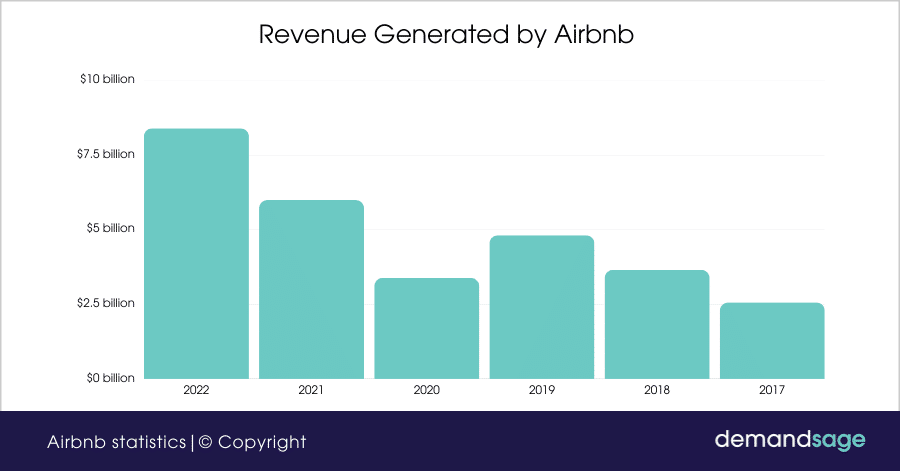
Hosts are seeing a real difference in their bottom line. We’re observing an average revenue increase of 35% for those actively leveraging AI-powered analytics in their Airbnb strategies. This isn’t a blanket statement, of course. Results vary significantly based on location, property type, and the host’s willingness to adapt, but the overall trend is undeniable.
This boost isn’t coming from magic. It’s the result of smarter pricing, deeper market insights, and optimized occupancy rates – all powered by algorithms designed to maximize your earnings. For years, Airbnb hosting felt a bit like guesswork. Now, it’s becoming a data-driven business.
The key is moving beyond simply hoping for bookings and instead predicting demand. AI allows hosts to anticipate fluctuations in the market, adjust pricing accordingly, and ultimately, attract more guests and increase revenue. It's about working smarter, not harder, and taking the emotion out of pricing decisions.
Beyond Gut Feeling: Data's New Role
Remember the old days of Airbnb? You’d check competitor listings, maybe adjust your price based on a local event, and cross your fingers. That approach worked…to a point. But in today’s incredibly dynamic short-term rental market, relying on intuition is a recipe for leaving money on the table.
The market is just too complex. Seasonality, local events, competitor actions, even weather patterns – all impact demand. Keeping track of these factors manually is nearly impossible. This is where Revenue Management Systems (RMS) come in, and they've gotten a serious upgrade thanks to artificial intelligence.
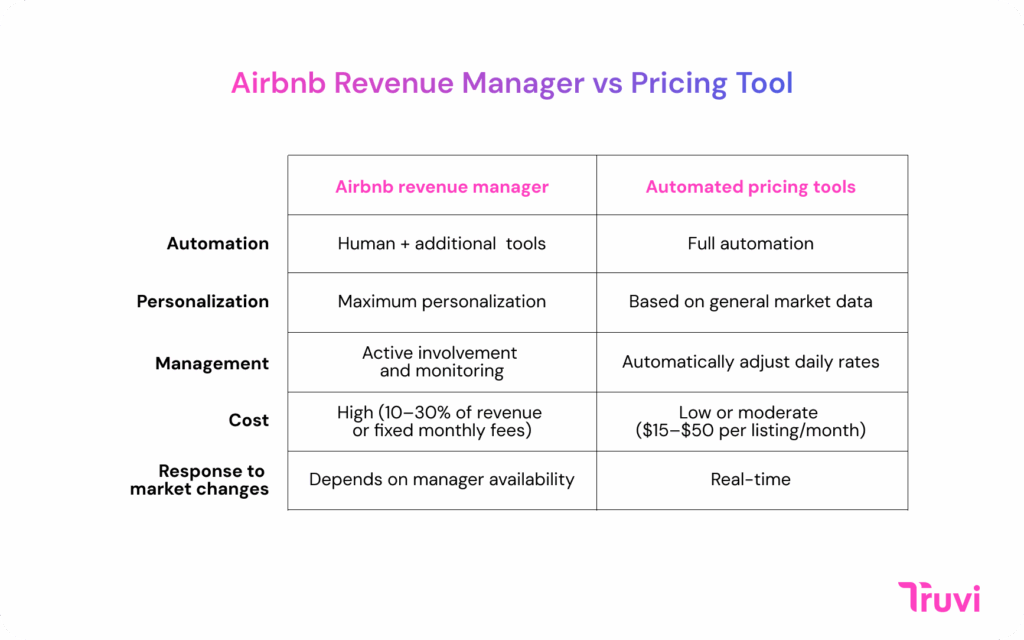
Traditional RMS were helpful, but they often relied on static pricing rules. AI takes it a step further. Instead of pre-set adjustments, AI algorithms analyze vast amounts of data in real-time and adjust prices dynamically to reflect current demand. It’s about capturing every potential dollar, not just settling for "good enough."
Static pricing is a thing of the past. Consider a weekend with an unexpected music festival announcement. An AI-powered system will recognize the surge in demand and automatically increase prices, while a static system would remain unchanged until you manually adjust it. That difference can be substantial.
Airbnb Revenue Calculators: A Deep Dive
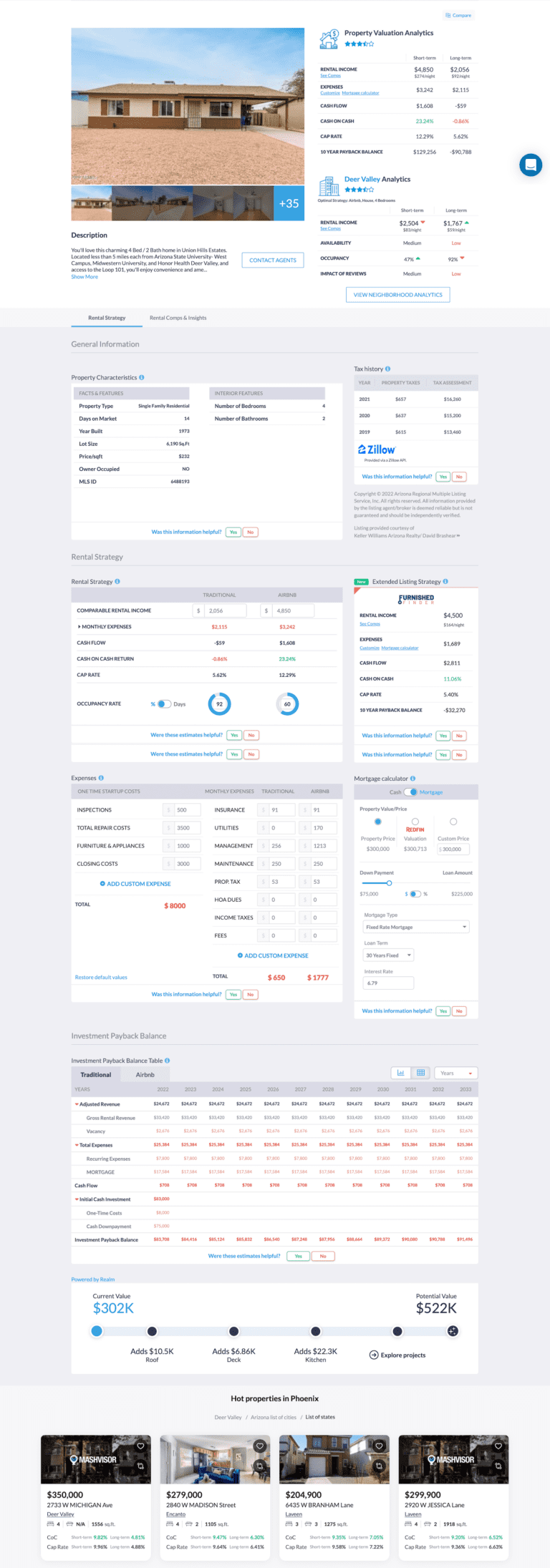
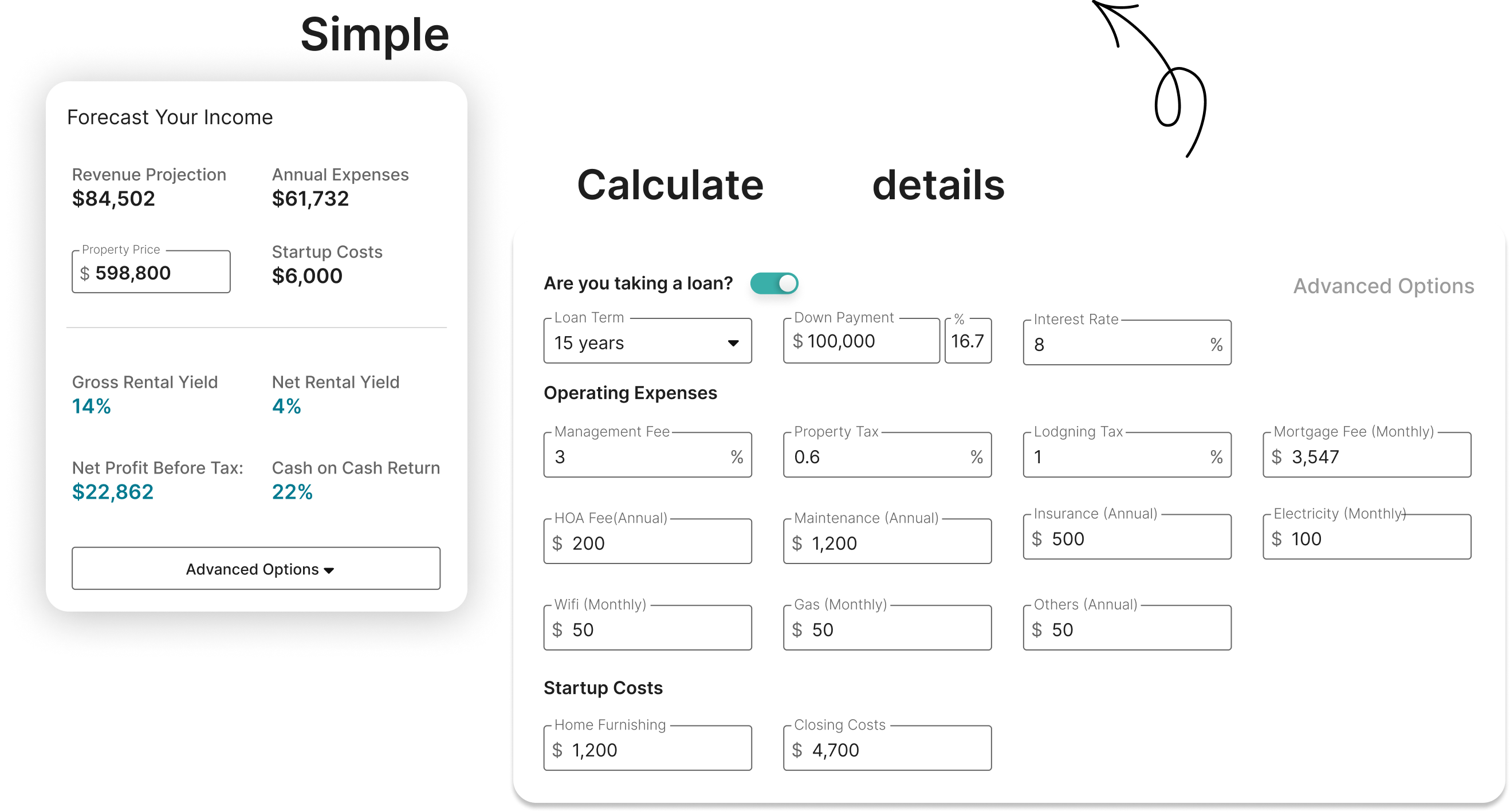
So, how do hosts access this power? Airbnb revenue calculators are becoming increasingly popular, and for good reason. Tools like AirDNA Adapt and BNBcalc offer a wealth of data and insights to help you optimize your listing. But they aren’t all created equal, and understanding what they do is key.
AirDNA Adapt, for example, focuses on providing comprehensive market data and revenue predictions. Their "Rentalizer" tool estimates potential earnings based on comparable listings and market trends. BNBcalc similarly predicts both short-term and long-term rental revenue, offering a broader view of your investment potential.
But it's not just about predicting revenue. These calculators help you understand why your listing is performing the way it is. They analyze occupancy rates, average daily rates (ADR), and revenue per available rental (RevPAR) compared to similar properties in your area. This allows you to identify areas for improvement.
Instead of just saying "you should charge $200/night,’ these calculators explain why $200 is a reasonable price point, based on the current market conditions. They pull data directly from Airbnb (and other sources) and factor in seasonality, local events, and competitor pricing. This isn’t guesswork; it"s informed decision-making.
- Market analysis: Understand demand and competition in your area.
- Revenue prediction: Estimate potential earnings based on historical data.
- Dynamic pricing recommendations: Automatically adjust prices to maximize occupancy and revenue.
- Occupancy rate tracking: Monitor how often your listing is booked.
AirDNA Adapt vs. BNBcalc: A Feature Comparison (2024)
| Feature | AirDNA Adapt | BNBcalc | Notes |
|---|---|---|---|
| Data Coverage (Markets Supported) | High | Medium | AirDNA is known for extensive global coverage. BNBcalc’s coverage, while growing, may be more focused. |
| Pricing Model | Yes | Yes | Both platforms utilize subscription-based pricing. Specific tiers and costs vary and are subject to change. |
| Ease of Use | Medium | High | BNBcalc often receives praise for its user-friendly interface. AirDNA Adapt, with its more advanced features, may have a steeper learning curve. |
| Revenue Prediction Accuracy | High | Medium | AirDNA Adapt leverages a large dataset and AI to provide revenue estimates. BNBcalc provides estimates, but may rely on a narrower data set. |
| Reporting Capabilities | High | Medium | AirDNA Adapt offers detailed, customizable reports. BNBcalc provides reports, but with potentially less granularity. |
| Competitive Analysis | Yes | Yes | Both tools allow hosts to compare their listings to similar properties. AirDNA Adapt’s analysis is generally more in-depth. |
| Investment Property Finder | Yes | No | AirDNA offers tools to identify potential investment properties. This feature is not currently available on BNBcalc. |
| Customer Support | Medium | Medium | Both platforms offer customer support, but responsiveness and availability can vary. |
Illustrative comparison based on the article research brief. Verify current pricing, limits, and product details in the official docs before relying on it.
Decoding the AI: How Algorithms Optimize
Let’s pull back the curtain a bit. What’s actually happening under the hood? These calculators aren't just spitting out random numbers. They’re using sophisticated AI techniques to analyze data and make predictions.
Dynamic pricing algorithms are at the core of this. These algorithms constantly monitor market conditions and adjust prices in real-time. Demand forecasting uses historical data and machine learning – the system learns from past data to predict future demand – to anticipate fluctuations in occupancy.
Market analysis goes beyond just looking at competitor pricing. It considers factors like seasonality, local events (concerts, festivals, conferences), points of interest, and even weather patterns. A rainy forecast might decrease demand, prompting the algorithm to lower prices.
It's important to remember that some of these algorithms are "black boxes." We know what they do, but not always how they do it. However, the results speak for themselves. The goal is to find the sweet spot – the price point that maximizes both occupancy and revenue.
Real-World Impact: Case Studies & Examples
Theory is great, but what about real-world results? We've seen numerous examples of hosts successfully using AI-powered analytics to boost their earnings. Consider Sarah, a host in Scottsdale, Arizona, who manages a two-bedroom condo.
Before using AirDNA Adapt, Sarah relied on manual price adjustments and competitor checks. After implementing the platform’s dynamic pricing recommendations, she increased her occupancy rate by 15% and her monthly revenue by $300. She simply set the parameters and let the algorithm do the work.
Then there’s Mark, who owns a cabin in Asheville, North Carolina. He initially struggled to fill his property during the off-season. Using BNBcalc, he identified a niche market of hikers and outdoor enthusiasts and adjusted his listing description and pricing accordingly. This resulted in a 20% increase in bookings during the slower months, adding an extra $400/month in revenue.
Finally, Lisa, managing a downtown Austin apartment, saw a significant improvement after incorporating Rabbu's market data. By understanding peak demand times related to local events, she increased her ADR by 10%, translating to an additional $250 per month.
Beyond the Calculator: Holistic Revenue Strategies
An Airbnb revenue calculator is a powerful tool, but it’s not a silver bullet. It’s just one piece of the puzzle. To truly maximize your profits, you need a holistic revenue strategy.
High-quality photos are essential. They’re the first thing potential guests see. Accurate and compelling listing descriptions are equally important. Highlight the unique features of your property and the benefits of staying there. Responsive communication builds trust and encourages bookings.
Excellent guest reviews are invaluable. Encourage guests to leave reviews and address any concerns promptly. Positive reviews boost your ranking and attract more guests. Property amenities – a well-equipped kitchen, high-speed Wi-Fi, comfortable furniture – can also command a higher price.
These factors interact with AI-driven pricing. A well-maintained, beautifully presented property can justify a higher price, even with dynamic pricing. The algorithm will recognize the value and adjust accordingly. It’s about creating a desirable experience that guests are willing to pay for.
- Professional photography: High-quality images attract more bookings.
- Detailed listing description: Highlight key amenities and local attractions.
- Responsive communication: Address guest inquiries promptly.
- Excellent guest reviews: Build trust and improve your ranking.
2026 and Beyond: What's Next?
The evolution of Airbnb analytics is far from over. By 2026, we can expect AI to become even more sophisticated. We'll likely see more personalized pricing, tailored to individual guests based on their preferences and booking history.
Integration with other platforms will become more common. Imagine your Airbnb listing automatically adjusting prices based on real-time data from smart home devices (e.g., energy consumption, occupancy sensors). This level of automation will unlock even greater revenue optimization opportunities.
New data sources will also emerge. Sentiment analysis of social media posts could provide insights into local events and demand trends. Machine learning models could predict optimal cleaning schedules based on guest feedback.
However, it’s important to avoid over-reliance on AI. Maintaining a human touch is crucial. Hosts still need to provide excellent customer service and create a welcoming atmosphere. The future of Airbnb hosting is likely to be a blend of data-driven insights and genuine hospitality.
- Personalized pricing: Tailored rates based on guest preferences.
- Smart Home Integration: Automated price adjustments based on real-time data.
- Social Media Sentiment Analysis: Insights into local events and demand.
- Predictive Cleaning Schedules: Optimized cleaning based on guest feedback.
No comments yet. Be the first to share your thoughts!