
The new revenue equation
I used to think a full calendar was the only metric that mattered. It isn't. If you're 100% booked but barely covering your cleaning fees, you're losing. We're seeing a shift where hosts prioritize RevPAR (Revenue Per Available Room) over raw occupancy. A few high-value weekends often net more profit than a month of back-to-back low-paying guests with higher wear and tear.
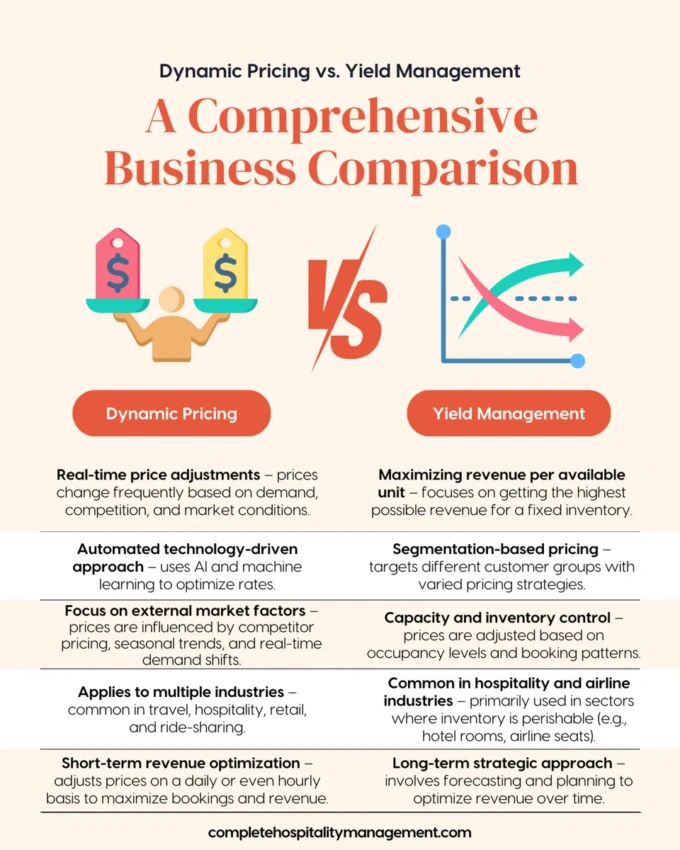
This shift is driven by increasingly sophisticated vacation rental analytics and the rise of dynamic pricing. The old approach of setting a fixed rate and hoping for the best is becoming obsolete. Hosts need to respond to fluctuating demand, competitor pricing, and seasonal trends in real time. 2026 isn’t just about having more data; it’s about using that data in a truly intelligent way.
Fortunately, powerful tools are emerging to help. Companies like AirDNA and Airbtics are leading the charge, providing hosts with the data and insights they need to make informed pricing decisions. These platforms are moving beyond basic market reports to offer actionable recommendations and even automated pricing solutions. Ignoring these advancements means leaving money on the table, plain and simple.
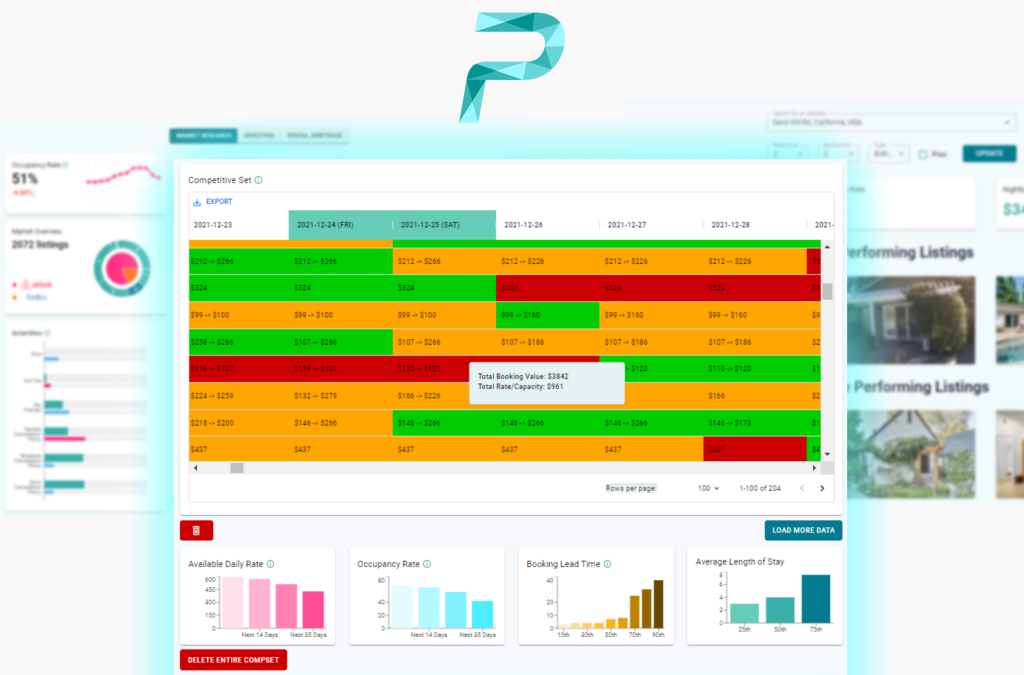
Automated pricing with AirDNA
AirDNA’s Adapt feature, gaining traction since late 2024, represents a significant leap in automated pricing. It doesn’t just look at historical data; it considers a vast array of factors to determine the optimal price for your property. These data points include seasonality, day of week, local events, competitor pricing, and even demand forecasts based on booking pace.
The system works by continuously monitoring the market and adjusting prices in small increments. It’s not a single, static price change, but a constant refinement based on real-time conditions. AirDNA claims Adapt can identify optimal pricing opportunities even hosts miss, maximizing revenue during peak periods and maintaining competitive rates during slower times. I’m told the granularity of adjustments can be as small as a few dollars per night.
However, fully automated pricing isn’t without its risks. There's a legitimate concern about leaving money on the table if the algorithm doesn’t accurately capture the unique value of your property. Pricing too aggressively could also lead to fewer bookings, especially during off-peak seasons. It’s a balancing act, and it’s crucial to monitor Adapt’s performance and make manual adjustments when necessary. A blind faith approach is rarely the best strategy. A good airbnb revenue calculator is a great starting point.
The benefit is obvious: time saved. Hosts can avoid the tedious and time-consuming task of manually adjusting prices. But remember, these systems are tools, not replacements for sound judgment. Regularly reviewing performance reports and comparing Adapt’s recommendations to your own market knowledge is essential.
Predictive analytics in action
The evolution of airbnb market data isn’t just about looking at what has happened; it’s about predicting what will happen. Analytics platforms are now incorporating sophisticated predictive modeling to forecast demand with increasing accuracy. They’re moving beyond simple historical trends and incorporating external factors like flight bookings, event calendars, and even Google search trends.
These platforms are identifying different "demand segments" – groups of travelers with distinct needs and willingness to pay. For instance, business travelers are often less price-sensitive and prioritize convenience and amenities like high-speed internet. Families, on the other hand, might be more focused on affordability and space. Understanding these segments allows hosts to tailor their pricing accordingly.
Initial reports suggest these predictive models are proving remarkably accurate, especially for major events and peak seasons. However, unforeseen circumstances – like economic downturns or unexpected weather events – can still throw a wrench into the works. The key is to view these predictions as probabilities, not certainties, and to be prepared to adjust your strategy accordingly.
Predicted vs. Actual Occupancy Rate (6-Month Period)
Data: AI-generated estimate for illustration
Market insights from Airbtics
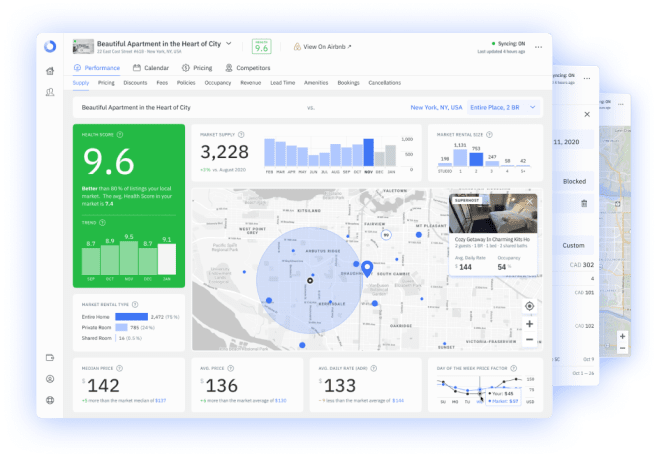
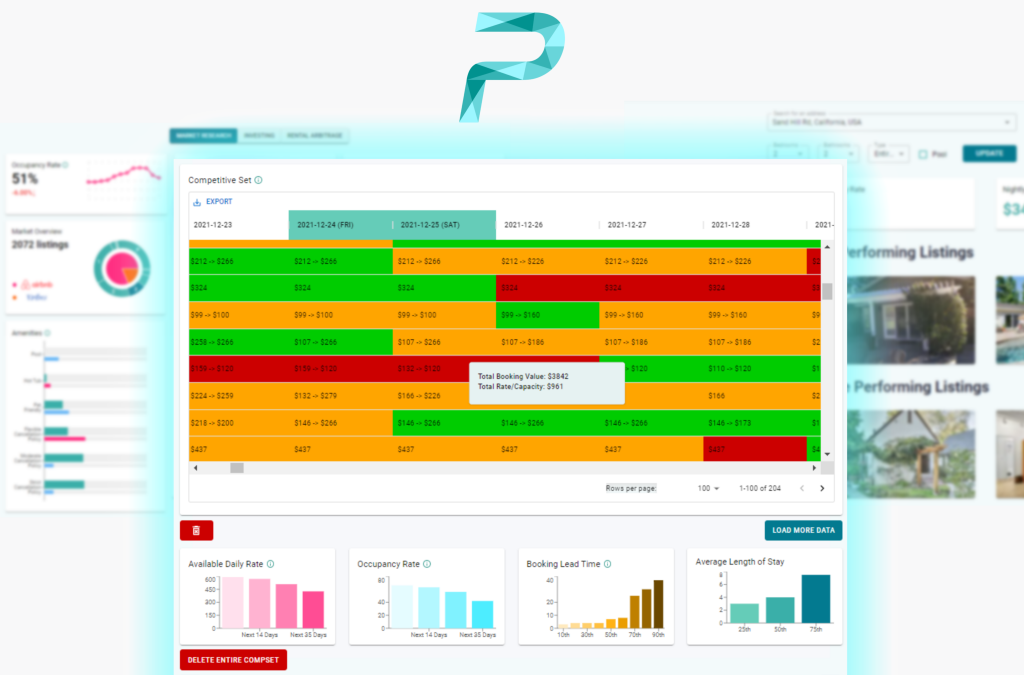
While AirDNA focuses heavily on automated pricing, Airbtics takes a different approach, emphasizing market-level insights and competitive analysis. Their platform allows hosts to see how their property stacks up against similar listings in their area, providing a detailed comparison of key metrics like occupancy rate, ADR, and RevPAR.
This granular level of detail is incredibly valuable for understanding your competitive positioning. Are you underpricing your property? Are your amenities lacking compared to the competition? Airbtics provides the data you need to answer these questions. They also offer valuable insights into local market trends, helping you identify emerging opportunities and potential threats.
Airbtics also tracks local regulations. Since cities are changing short-term rental laws every few months, this is helpful for staying legal. It's better to check the data here than to wait for a fine from the city council.
Why human oversight still matters
Despite the sophistication of these analytics platforms, complete reliance on automated pricing is a mistake. Human judgment and local knowledge remain essential. Data provides a strong foundation, but it can't capture every nuance of the guest experience or the unique characteristics of your property.
Consider a property with a stunning view or a particularly unique design. An algorithm might not fully account for these factors, potentially undervaluing the property. Similarly, exceptional guest service or personalized touches can justify a premium price. These are things that data can’t easily quantify.
Hosts should use analytics data to inform their pricing decisions, not to dictate them. Regularly review the data, identify potential opportunities, and then apply your own judgment. Don’t be afraid to override the algorithm when you believe it’s necessary. Remember, hospitality is about more than just maximizing revenue; it's about creating a memorable experience for your guests.
- I check my data every morning to catch sudden spikes.
- Adjust for local events
- Consider guest feedback
- Override when necessary
Renovating for revenue
The power of vacation rental analytics extends beyond pricing. It can also inform renovation and improvement decisions. What amenities are most in demand in your market? What property features command the highest price premium? Data can provide the answers.
For example, a study by Mashvisor in early 2025 showed that properties with hot tubs consistently generate 15-20% higher revenue in certain markets. Similarly, high-speed internet is now considered a necessity, not a luxury, and properties without it may struggle to attract bookings. Even something as simple as a fireplace can add significant value in colder climates.
Don’t just guess what guests want; let the data tell you. Prioritize renovations that are likely to generate the highest return on investment. A small investment in a popular amenity can often lead to a substantial increase in revenue, making it a smart financial decision. It's about working smarter, not just harder.
No comments yet. Be the first to share your thoughts!