
2026 forecast: where the margins are
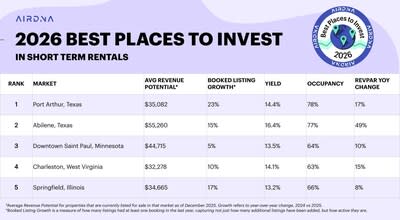
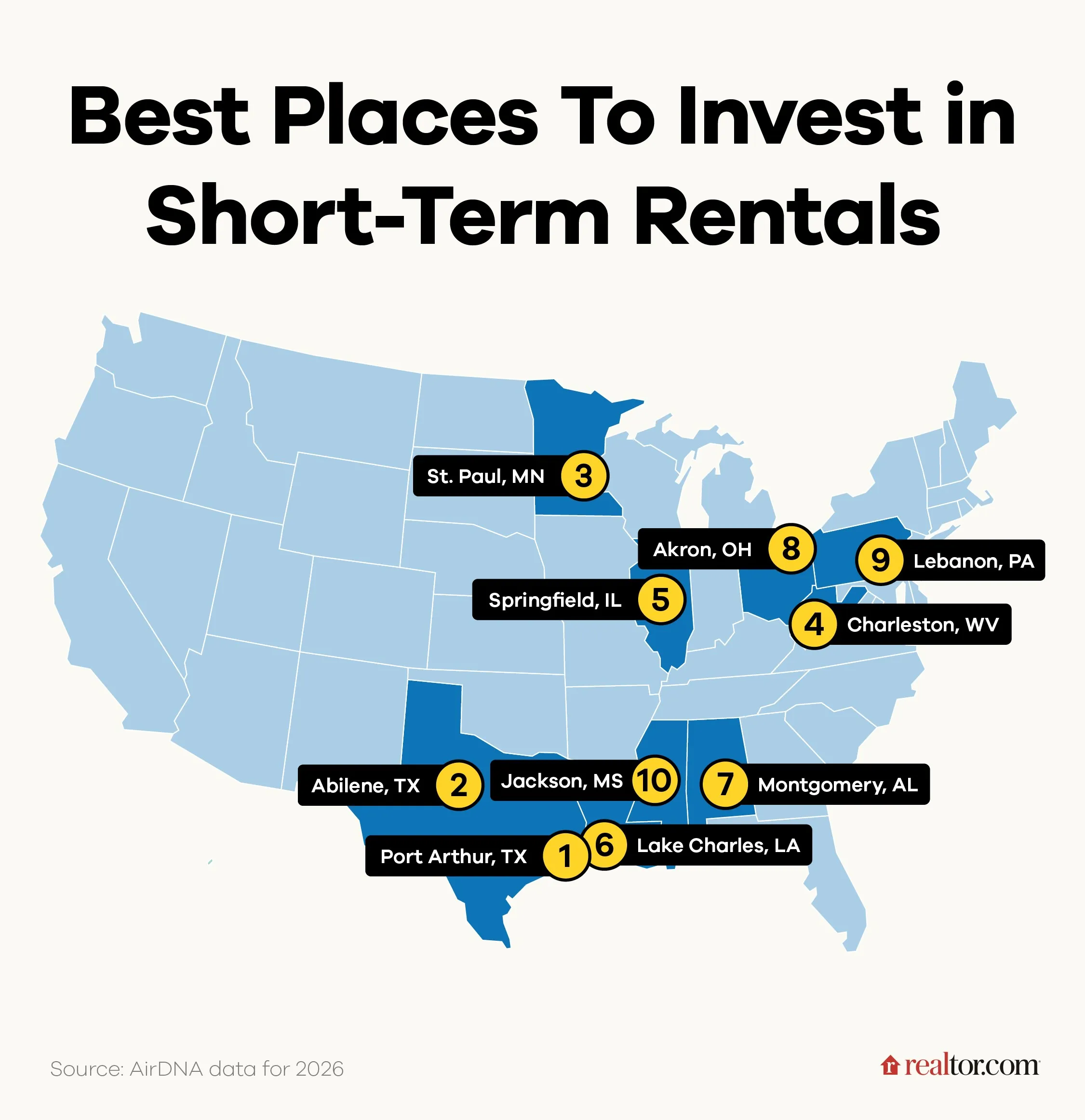
The short-term rental market is shifting. While famous zip codes are hitting saturation points and tighter rules, the 2026 outlook shows high-yield pockets still exist. Data from AirDNA and Rabbu indicates that smaller, secondary markets are actually expanding their profit margins as travelers look for alternatives to overpriced hubs.
We’re identifying 15 cities where a 20% or higher return on investment is realistically achievable. This isn’t about guaranteed riches, of course. Success depends on factors like property selection, management quality, and staying ahead of local regulations. But the underlying data points to strong demand and potential for growth in these specific locations.
The methodology behind this forecast isn’t a crystal ball; it’s a combination of current occupancy rates, average daily rates, revenue projections, and an assessment of future market trends. We’ve focused on areas that demonstrate sustained tourism, economic development, and a favorable (or at least manageable) regulatory environment. We’re prioritizing markets that are growing, not necessarily the ones that are already the biggest.
These ROI figures are based on current tax rates and average maintenance costs. You'll need to plug in your specific insurance quotes and local management fees to see the final margin. Markets move fast, and a 20% projection in 2024 might look different by 2026 if local property taxes spike.
15 hotspots for 20% returns
Alright, let's get to the list. These cities aren’t ranked in a strict order – different investors will have different priorities. We’ve grouped them loosely by region to make it easier to explore options that align with your investment strategy.
1. Palm Springs, California: Occupancy: 78%, ADR: $280, Est. ROI: 22%. Palm Springs continues to draw tourists seeking sunshine, mid-century modern architecture, and outdoor activities. Demand remains strong, particularly for properties with pools.
2. Scottsdale, Arizona: Occupancy: 75%, ADR: $250, Est. ROI: 21%. Similar to Palm Springs, Scottsdale benefits from a warm climate and a thriving tourism industry. It's attracting a younger, more affluent demographic.
3. Nashville, Tennessee: Occupancy: 72%, ADR: $220, Est. ROI: 23%. Nashville’s music scene and vibrant nightlife continue to drive demand. However, increasing regulation is something to watch closely.
4. Savannah, Georgia: Occupancy: 70%, ADR: $200, Est. ROI: 24%. Savannah’s historic charm and Southern hospitality make it a popular destination. It's becoming increasingly attractive to families and couples.
5. Myrtle Beach, South Carolina: Occupancy: 74%, ADR: $180, Est. ROI: 21%. A classic beach destination, Myrtle Beach offers affordable options and a wide range of attractions. It’s a solid choice for investors looking for consistent cash flow.
6. Orlando, Florida: Occupancy: 76%, ADR: $210, Est. ROI: 22%. Theme parks are still a huge draw, but Orlando is diversifying its appeal with new entertainment venues and a growing business sector.
7. Fort Lauderdale, Florida: Occupancy: 79%, ADR: $260, Est. ROI: 20%. Often overshadowed by Miami, Fort Lauderdale offers a more relaxed atmosphere and attractive beaches. It’s becoming a popular choice for remote workers.
8. Asheville, North Carolina: Occupancy: 73%, ADR: $190, Est. ROI: 25%. Nestled in the Blue Ridge Mountains, Asheville is a haven for outdoor enthusiasts and craft beer lovers. Limited housing supply helps keep rental rates high.
9. Bend, Oregon: Occupancy: 68%, ADR: $230, Est. ROI: 22%. Another mountain town, Bend offers year-round recreation opportunities. It’s attracting a growing number of tourists and new residents.
10. Oklahoma City, Oklahoma: Occupancy: 65%, ADR: $160, Est. ROI: 26%. An unexpected entry, Oklahoma City is experiencing a revitalization with new developments and a growing job market. It offers a relatively affordable entry point for investors.
11. Chattanooga, Tennessee: Occupancy: 71%, ADR: $170, Est. ROI: 24%. Chattanooga has transformed into an outdoor adventure hub, attracting rock climbers, kayakers, and hikers. It’s a hidden gem with strong growth potential.
12. Gulf Shores, Alabama: Occupancy: 77%, ADR: $200, Est. ROI: 23%. Beautiful beaches and a laid-back atmosphere make Gulf Shores a popular vacation destination. It's a good alternative to more crowded Florida beaches.
13. Boise, Idaho: Occupancy: 66%, ADR: $180, Est. ROI: 21%. Boise has experienced rapid growth in recent years, attracting people from more expensive West Coast cities. The outdoor lifestyle is a major draw.
14. San Antonio, Texas: Occupancy: 70%, ADR: $150, Est. ROI: 20%. Rich in history and culture, San Antonio offers a unique vacation experience. The River Walk is a major attraction.
15. Kansas City, Missouri: Occupancy: 68%, ADR: $140, Est. ROI: 22%. Kansas City is gaining recognition for its barbecue, jazz music, and thriving arts scene. It’s an affordable and underrated market.
Short Term Rental Investment Hotspots 2026: Projected ROI Leaders
| City | State | Average Occupancy Rate (%) | Average Daily Rate ($) | Estimated ROI (%) | Key Tourism Driver | Regulatory Environment (1-5) |
|---|---|---|---|---|---|---|
| Nashville | TN | 78% | $280 | 24% | Music & Entertainment 🎶 | 3 |
| Phoenix | AZ | 72% | $220 | 22% | Warm Weather & Outdoor Activities ☀️ | 4 |
| Miami | FL | 85% | $350 | 26% | Beaches & Nightlife 🏖️ | 2 |
| Dallas | TX | 70% | $200 | 21% | Business & Culture | 3 |
| Atlanta | GA | 75% | $180 | 23% | Film Industry & Events 🎬 | 3 |
| Orlando | FL | 82% | $250 | 25% | Theme Parks 🎢 | 2 |
| Houston | TX | 68% | $170 | 20% | Energy Industry & Diversity | 3 |
| Denver | CO | 74% | $260 | 22% | Mountains & Craft Beer 🏔️ | 4 |
Illustrative comparison based on the article research brief. Verify current pricing, limits, and product details in the official docs before relying on it.
Florida's secondary market growth
Florida consistently dominates these lists, and for good reason. The state’s appeal is multifaceted: year-round warm weather, beautiful beaches, world-class theme parks, and a favorable tax climate. But it’s not just about the obvious hotspots like Miami and Orlando.
We’re seeing particularly strong growth in smaller Gulf Coast towns like Naples, Sarasota, and Fort Myers. These areas offer a more relaxed atmosphere and a lower cost of entry compared to the major cities. The demand from snowbirds and remote workers is fueling this growth.
Interestingly, condos are generally performing better than single-family homes in many Florida markets. This is likely due to the lower price point and the appeal of resort-style amenities. However, single-family homes with pools and outdoor space are still in high demand, especially in the luxury segment. AirDNA data shows that condos in Naples have an average occupancy rate of 82% compared to 75% for single-family homes.
The key to success in Florida is to identify underserved areas and target specific demographics. Don't just buy in the most popular locations; look for opportunities in up-and-coming neighborhoods.
Beyond the Beaches: Emerging Mountain Markets
While beach destinations will always be popular, we’re seeing a growing trend towards mountain towns. Travelers are increasingly seeking outdoor adventures and escapes from crowded cities. This is driving demand for short-term rentals in areas like Asheville, North Carolina; Bozeman, Montana; and Bend, Oregon.
These markets often have limited housing supply, which keeps rental rates high. They also benefit from year-round tourism, with different activities attracting visitors in each season. In the winter, it's skiing and snowboarding; in the summer, it's hiking, mountain biking, and fishing.
These markets also tend to attract a more affluent demographic, willing to pay a premium for unique experiences and stunning scenery. ADRs in these areas can be significantly higher than in traditional vacation destinations.
Navigating local regulations
Let's be real: regulations are the biggest threat to short-term rental investments. Cities and counties are cracking down on STRs in an effort to address concerns about housing affordability and neighborhood disruption. This can include permit requirements, occupancy limits, zoning restrictions, and even outright bans.
The regulatory landscape is constantly changing, so it's crucial to do your research before you invest. Check with the local government to understand the current rules and regulations. Be prepared to obtain the necessary permits and licenses.
Don’t rely on outdated information. Regulations can change quickly, so make sure you’re staying up-to-date. Consider working with a local property manager who is familiar with the regulations and can help you stay compliant.
Here's a quick checklist to help you navigate the regulatory maze:
- Verify zoning for non-owner occupied permits.
- Check permit and license requirements.
- Understand occupancy limits.
- Be aware of HOA restrictions.
- Stay informed about proposed changes.
Financing Options: Getting Your Deal Done
Securing financing for a short-term rental investment can be a bit different than financing a traditional rental property. Traditional mortgages are an option, but you may need a larger down payment and meet stricter credit requirements.
Investment property loans are specifically designed for investors and may offer more flexible terms. DSCR (Debt Service Coverage Ratio) loans are becoming increasingly popular. These loans are based on the property’s potential rental income, rather than your personal income.
Understanding cash flow is essential. You need to accurately estimate your potential rental income and expenses to determine if the investment is profitable. Don’t forget to factor in property taxes, insurance, maintenance, and management fees.
Standout Cities: A Closer Look
Let’s zoom in on a few of these cities to provide a more detailed analysis. First up: Asheville, North Carolina. This mountain town is experiencing a surge in popularity, driven by its vibrant arts scene, outdoor recreation opportunities, and craft breweries. Successful rental properties in Asheville tend to be charming cabins or modern condos with mountain views. The biggest challenge is navigating the local regulations, which are becoming increasingly strict.
Next, let’s look at Oklahoma City, Oklahoma. This is a bit of an underdog, but it's a market with significant potential. The city is undergoing a revitalization, with new developments and a growing job market. Successful rental properties in Oklahoma City tend to be affordable homes in up-and-coming neighborhoods. The opportunity here is to get in early before prices rise.
Finally, let's consider Gulf Shores, Alabama. This beach destination offers a more affordable alternative to Florida beaches. Successful rental properties in Gulf Shores tend to be beachfront condos or family-friendly homes with pools. The challenge here is managing seasonal demand and competition from other rental properties. Mashvisor reports that the average cash-on-cash return for short-term rentals in Gulf Shores is currently around 18%.
No comments yet. Be the first to share your thoughts!