
The rising cost of climate risk
Climate change is hitting property values now. I'm seeing insurance premiums climb and weather events like wildfires or floods making certain rentals a liability. It isn't just a headache for guests; it's a direct threat to the equity in your portfolio.
Data from Inside Airbnb reveals a subtle but significant shift in rental demand away from coastal regions and areas prone to wildfires. While correlation doesn't equal causation, the trend is noticeable. Properties that were once prime vacation destinations are experiencing slower booking rates or increased cancellations as travelers become more aware of climate-related risks. This is a market signal, and it’s one we need to pay attention to.
The NYC Climate Resiliency Design Guidelines offer a useful framework for understanding these risks. They don’t just detail building code improvements; they lay out a systematic approach to assessing vulnerability and planning for future climate impacts. The guidelines categorize risks like sea level rise, extreme heat, and intense precipitation, providing a granular view of potential threats. Ignoring these types of factors is becoming increasingly costly, and a proactive approach is essential for preserving investment value.
Ultimately, the question isn’t if climate change will impact vacation rentals, but how and when. Recognizing this reality is the first step toward building a more resilient and profitable portfolio. We’re moving beyond simply reacting to disasters and toward anticipating and mitigating potential damage before it occurs.
Coastal erosion and the insurance crunch
Coastal homes are getting hammered by the insurance market. In high-risk zones, premiums are jumping 18% to 40% based on 2024 data from the Association of American Insurance Companies. In some spots, you can't get coverage at all. This isn't a fluke; it's the new baseline for coastal ownership.
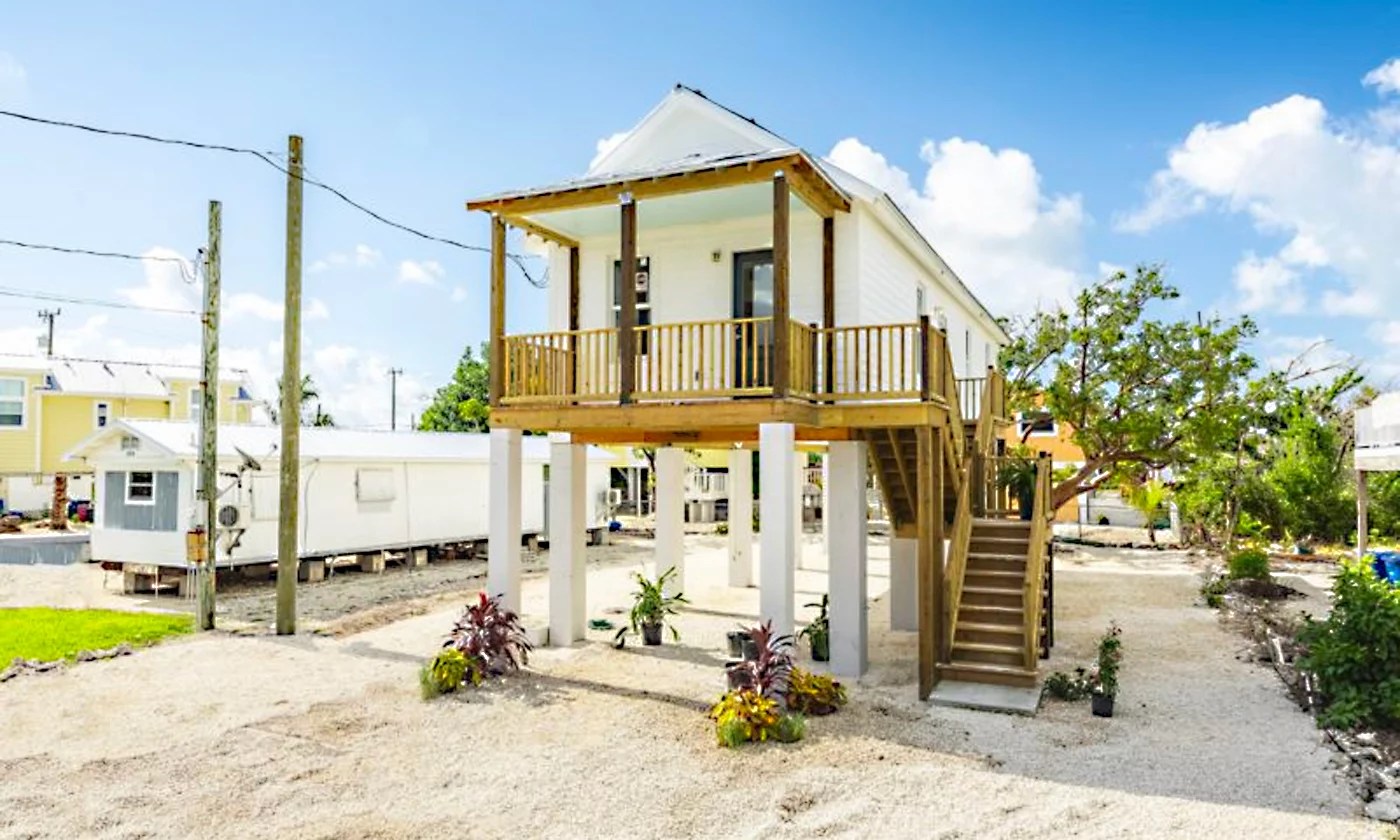
The NYC Climate Resiliency Design Guidelines provide specific guidance on building code changes to address flood resilience. These include requirements for elevating critical building systems, using flood-resistant materials, and improving drainage infrastructure. While these changes add upfront costs, they can significantly reduce the risk of damage and lower insurance premiums in the long run. Ignoring these changes is a gamble many owners can’t afford.
Unfortunately, comprehensive, publicly available data on insurance claim frequency specifically for Airbnb properties is scarce. However, anecdotal evidence from coastal markets like the Outer Banks of North Carolina and the Florida Keys suggests a clear correlation between extreme weather events and increased insurance claims for short-term rentals. Property managers report a surge in claims following hurricanes and major storms, leading to substantial losses.
The challenge isn’t just about the cost of insurance; it’s about the availability of coverage. As climate risks escalate, insurers are becoming increasingly selective about the properties they will cover, and the terms of coverage are becoming more restrictive. This creates a situation where properties in high-risk zones become increasingly difficult to finance and sell.
🌍🏡 Sustainable stays matter! Book an eco-friendly Airbnb that values comfort and the planet. 🌱💚
— Ben Kazigo Luweru 🇺🇬🇺🇳🇪🇺 The Diplomat (@Benkazigoluweru) March 14, 2025
✅ Energy-efficient spaces
✅ Recycling & waste management
✅ Close to nature & green attractions
Travel responsibly. Reduce your carbon footprint. 🌎✈️ pic.twitter.com/eX7uCkMq3l
Eco-features guests actually pay for
While climate resilience is about protecting property, attracting guests requires offering amenities that align with their values. A growing segment of travelers prioritize sustainability and are willing to pay a premium for eco-friendly accommodations. It’s not enough to simply be resilient; you need to actively market your property’s green features.
Specific features that consistently show a positive impact on booking rates and nightly prices include solar panels, rainwater harvesting systems, and greywater recycling. EV charging stations are also in high demand, particularly in destinations popular with road trips. Energy-efficient appliances, like Energy Star-certified refrigerators and washing machines, are becoming increasingly expected.
However, not all eco-features are created equal. A comprehensive landscaping plan that incorporates native plants and reduces water consumption is often more appealing to guests than, say, low-flow showerheads. The key is to focus on features that are both environmentally beneficial and enhance the guest experience. A well-maintained garden or a private outdoor space with native plants can be a significant draw.
Data from a recent survey by the Sustainable Travel International found that 73% of travelers are actively seeking out sustainable travel options, and 41% are willing to pay more for accommodations that demonstrate a commitment to environmental responsibility. This suggests a significant market opportunity for owners who invest in eco-friendly upgrades.
- Solar panels to cut energy bills and attract guests looking for green stays.
- Rainwater systems that lower water costs in drought-prone areas.
- EV Charging Station: Attracts guests with electric vehicles.
- Energy-Efficient Appliances: Lowers energy consumption and operating costs.
Eco-Friendly Features & ROI
- Solar Panels - Guests are increasingly drawn to properties demonstrating a commitment to renewable energy, reducing their own environmental impact during travel. BNB Stats data shows a consistent correlation between listings with solar panel installations and higher ADRs, particularly among environmentally conscious demographics.
- Water Conservation Systems - Features like low-flow showerheads, dual-flush toilets, and rainwater harvesting systems appeal to guests aware of water scarcity issues. Listings highlighting these features experience improved occupancy, especially in drought-prone regions, according to BNB Stats analysis.
- Energy-Efficient Appliances - Energy Star certified appliances (refrigerators, washing machines, dishwashers) are a strong selling point. Guests appreciate reduced energy consumption and the associated cost savings, and BNB Stats data indicates a positive impact on booking rates.
- Sustainable Building Materials - Properties constructed or renovated with sustainable materials – such as reclaimed wood, bamboo, or recycled content insulation – attract guests seeking eco-friendly accommodations. Listings emphasizing these materials often command a premium price point.
- Electric Vehicle (EV) Charging Station - As EV adoption grows, the availability of on-site charging is becoming a significant amenity. BNB Stats data shows a marked increase in demand for properties with EV chargers, leading to higher occupancy and ADRs, particularly in popular road trip destinations.
- Smart Home Energy Management Systems - Systems allowing guests to easily monitor and control energy usage (e.g., smart thermostats, lighting controls) demonstrate a commitment to sustainability and empower guests to participate in conservation efforts. These features correlate with positive guest reviews and increased booking frequency.
- Native Landscaping & Drought-Tolerant Gardens - Utilizing native plants reduces water consumption and supports local ecosystems. Guests appreciate the aesthetic appeal and environmental benefits, resulting in a more positive overall experience and improved listing performance as observed in BNB Stats reports.
ROI: Green Upgrades That Pay Off
Investing in eco-friendly upgrades isn’t just about doing the right thing; it’s about maximizing your return on investment. The ROI of these upgrades varies significantly by location, property type, and local energy prices, but there are some clear winners. Solar panels, for example, can pay for themselves within 7-10 years through reduced energy bills and potential tax credits. In some states, net metering programs allow you to sell excess energy back to the grid, further accelerating the payback period.
A high energy efficiency rating – achieved through insulation upgrades, energy-efficient windows, and efficient appliances – can also have a substantial impact on booking rates. Listings with a high energy efficiency rating often command a 10-15% price premium compared to similar properties. This is because guests perceive these properties as more comfortable, sustainable, and cost-effective.
Run the numbers before you buy a solar array. You have to weigh the installation costs against local utility rates and maintenance. Most online ROI calculators are too generic to be perfect, but they give you a starting point for your specific zip code.
ROI isn't just the monthly utility bill. A resilient house holds its value better and keeps insurance agents from dropping you. Plus, guests who care about sustainability tend to be more respectful of the property and return more often.
Building for resilience
The NYC Climate Resiliency Design Guidelines offer a wealth of information on proactive measures to protect properties from climate change impacts. These go beyond simple repairs and focus on building resilience into the very fabric of the property. Elevated foundations are a crucial step in flood-prone areas, raising the structure above anticipated flood levels.
Using flood-resistant materials, like concrete and treated lumber, can significantly reduce damage from flooding. Installing backup power systems, such as generators or battery storage, ensures that the property remains habitable even during power outages. These aren’t luxuries; they’re necessities in areas prone to extreme weather events.
Landscaping choices also play a critical role. Incorporating native plants can reduce erosion and stormwater runoff, while strategically placed trees can provide shade and reduce cooling costs. Creating permeable surfaces, like gravel driveways, allows water to drain more effectively, reducing the risk of flooding.
Resilience is an investment, not an expense. While these upgrades may require a significant upfront investment, they can save you money in the long run by reducing the risk of damage, lowering insurance premiums, and enhancing the property’s value. Proactive planning is always more cost-effective than reactive repairs.
Future-Proofing Your Portfolio: Standout Investments
Identifying geographic areas that are well-positioned for climate resilience and sustainable tourism is crucial for future-proofing your portfolio. Areas with proactive climate policies, strong infrastructure, and a growing eco-tourism industry are likely to outperform in the long run. Consider locations that are actively investing in renewable energy, water conservation, and public transportation.
The Pacific Northwest, with its commitment to renewable energy and sustainable forestry practices, is one example. Coastal areas in Maine and the Canadian Maritimes, which are actively investing in coastal protection measures, are also worth considering. Mountain towns with a strong focus on outdoor recreation and conservation are also likely to remain attractive destinations.
It's important to avoid areas that are particularly vulnerable to climate change impacts, such as low-lying coastal regions and areas prone to wildfires. While these areas may offer attractive investment opportunities today, they are likely to face increasing risks in the future. Due diligence is paramount.
The transition to a more sustainable future is inevitable, and investors who embrace this trend are likely to be rewarded. While there are inherent risks in any investment, focusing on climate resilience and sustainability can help mitigate those risks and unlock long-term value. The market is signaling a preference for properties that are built to last – and built with the future in mind.
Content is being updated. Check back soon.
Potential Investment Locations: Climate Resilience & ROI Outlook - 2026
| Location | Climate Risk | Sustainability Initiatives | Tourism Demand | Regulatory Environment |
|---|---|---|---|---|
| Coastal Florida (e.g., Miami Beach) | High | Moderate | Growing | Neutral |
| Asheville, North Carolina | Medium | Strong | Growing | Favorable |
| Sedona, Arizona | Medium | Moderate | Stable | Neutral |
| Lake Tahoe, California/Nevada | Medium | Strong | Stable | Favorable |
| Finger Lakes, New York | Low | Moderate | Growing | Neutral |
| Bend, Oregon | Medium | Strong | Growing | Favorable |
| Outer Banks, North Carolina | High | Weak | Stable | Unfavorable |
Illustrative comparison based on the article research brief. Verify current pricing, limits, and product details in the official docs before relying on it.
No comments yet. Be the first to share your thoughts!