
The 2026 pricing shift
Airbnb hosting is no longer a side hustle run on gut feelings. If you're still scanning nearby listings manually and setting flat seasonal rates, you're leaving money on the table. The market is too crowded for guesswork now.
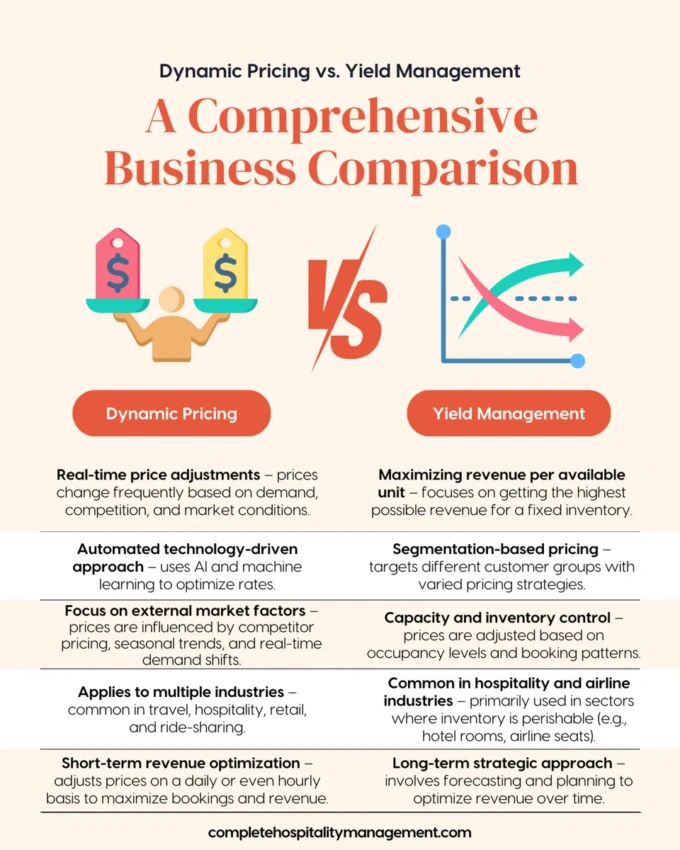
For years, a summer bump or a holiday increase was enough. But that approach is increasingly insufficient. Guests are savvier, and they expect – and can find – the best possible deals. The real story for 2026 isn’t an evolution in pricing, it’s a revolution. A full embrace of dynamic pricing, powered by access to better data and more intelligent tools is taking hold.
This isn’t about chasing the lowest price; it’s about finding the optimal price for every night. It’s about understanding that demand isn’t static, and neither should your rates. Hosts who want to thrive in the coming years will be those who adopt data-driven strategies and leverage the power of dynamic pricing.
AirDNA Adapt & Beyond
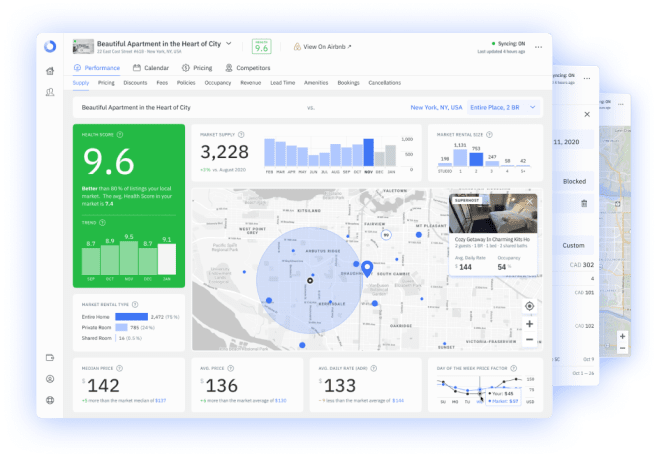
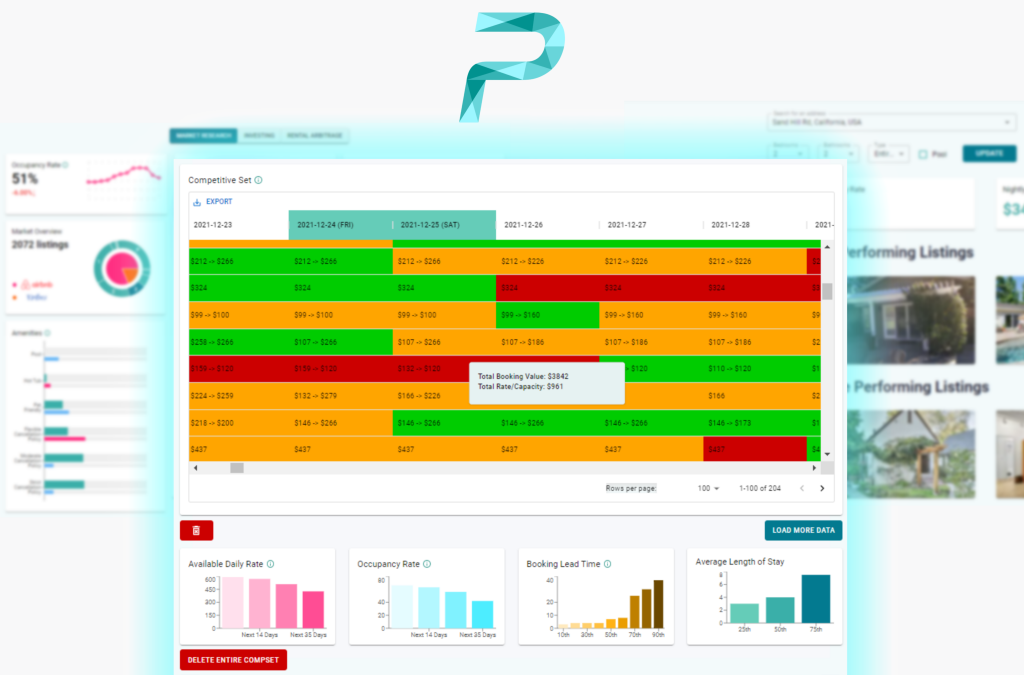
AirDNA Adapt is leading the charge in this new era of dynamic pricing. It’s built around the idea that your pricing should react to real-time market conditions, not rely on outdated assumptions. The core benefit isn’t just getting a price suggestion, it’s understanding why that price is recommended.
Adapt pulls in a ton of data – occupancy rates, seasonality, competitor pricing, and even local event schedules – to generate those suggestions. It’s about understanding how all these factors interact to influence demand. Knowing that a major convention is happening downtown, for example, allows the tool to predict increased demand and adjust prices accordingly. This isn’t guesswork, it’s informed analysis.
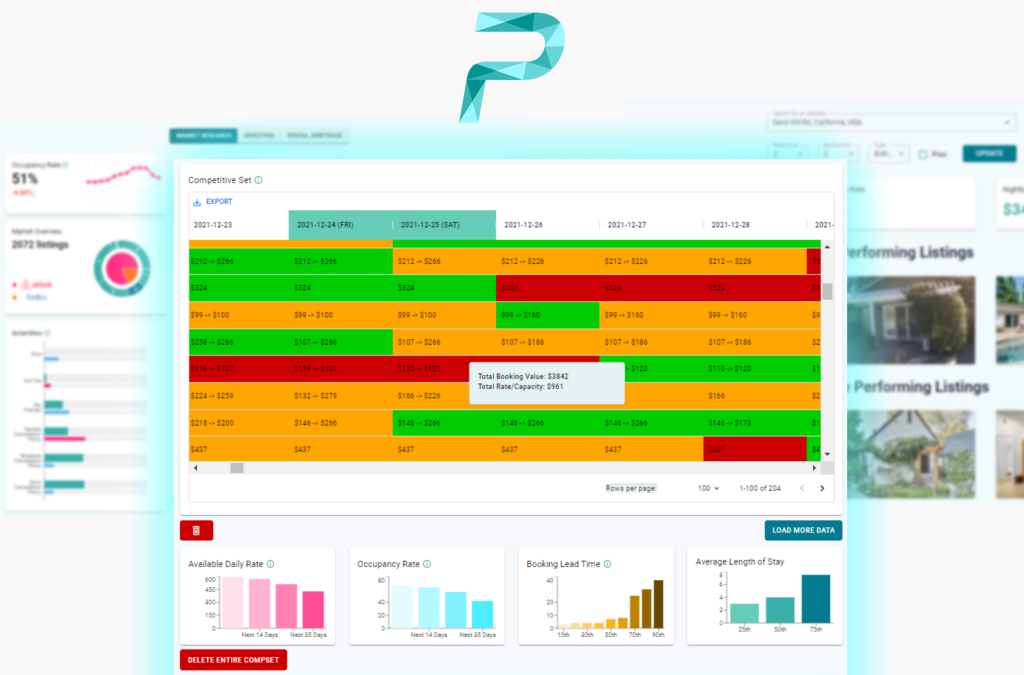
Airbtics offers a three-year historical dataset with daily granularity, which helps if you need to see exactly how a specific Tuesday performed in 2023. Freewyld Foundry is another option, though they lean more toward forecasting models. Most of these tools do the same basic job; the real difference is how deep their data goes.
- Occupancy rates to see how many neighbors are actually booked.
- Seasonality: Recognizing predictable peaks and valleys in demand.
- Competitor Pricing: Analyzing what other hosts in your area are charging.
- Local Events: Factoring in the impact of conferences, festivals, and other events.
Dynamic Pricing Tool Comparison: AirDNA Adapt, Bright Pricing, & Freewyld Foundry
| Data Foundation | Pricing Strategy | Integration Capabilities | Reporting & Analytics | Ideal Host Profile |
|---|---|---|---|---|
| AirDNA Adapt | Leverages AirDNA’s extensive short-term rental data 📈, focusing on comparable listings and market trends. | Designed for seamless use within the AirDNA platform. Limited external integrations reported. | Offers revenue and occupancy projections, but detailed customization appears more limited compared to others. | Better for hosts already heavily invested in the AirDNA ecosystem. Suited for small to medium portfolios. |
| Bright Pricing | Utilizes a 3-year historical dataset at a daily granularity, emphasizing custom market analysis and dynamic data. | Offers API access for integration with property management systems (PMS) and channel managers. 🔗 | Provides detailed market insights and pricing recommendations, with a focus on identifying optimal rates based on demand. | Well-suited for hosts and property managers seeking granular control over pricing and in-depth market understanding. Good for small to large portfolios. |
| Freewyld Foundry | Aggregates data from multiple sources including Airbnb, Vrbo, and direct booking channels. 🌐 | Offers integrations with popular PMS options, aiming for broad compatibility. | Focuses on comprehensive reporting, including performance metrics and competitor analysis. Allows for custom rule creation. | Better for property managers and hosts with diverse listing types and a need for extensive reporting. Suited for medium to large portfolios. |
| Data Sources | Primarily AirDNA data. 🔍 | Combines historical data with real-time market conditions. ☀️ | Multi-source aggregation for a broader view. 🗺️ | |
| Pricing Complexity | Moderate - relies on established AirDNA algorithms. ⚙️ | Advanced - allows for significant customization and rule-setting. 🛠️ | Moderate to Advanced - offers both automated suggestions and manual adjustments. | |
| Integration Options | Primarily AirDNA platform. 🔒 | API and common PMS integrations. 🔗 | Broad PMS and channel manager compatibility. 🌐 |
Qualitative comparison based on the article research brief. Confirm current product details in the official docs before making implementation choices.
Why daily data beats monthly averages
The level of detail in the data matters immensely. Monthly averages just don’t cut it anymore. Think about this: a popular music festival might drive up demand for just two nights in your city. If you’re only looking at monthly data, you’ll completely miss that spike and leave potential revenue on the table.
Daily granularity allows you to capture these micro-seasons and localized demand drivers. It gives you the ability to react to short-term fluctuations and maximize earnings. Instead of smoothing out demand over an entire month, you can capitalize on specific events and periods of high demand. This level of responsiveness is what separates the successful hosts from the rest.
Airbtics, for example, provides access to a three-year historical dataset at a daily granularity. This allows hosts to not only see current trends but also to understand how demand has changed over time and anticipate future fluctuations. It’s about seeing the forest and the trees.
Beyond Occupancy: Revenue Per Available Night
Occupancy rate is a useful metric, but it doesn’t tell the whole story. Focusing solely on occupancy can lead to suboptimal pricing decisions. You might think that filling every night is the ultimate goal, but that’s not always the case.
Revenue Per Available Night (RevPAN) is a much more insightful metric. It takes into account both occupancy and average daily rate (ADR). By focusing on RevPAN, you can identify opportunities to increase revenue even if it means accepting a slight decrease in occupancy.
If your place is 80% full at $200 a night, you're making $160 per available night. If you hike the price to $250 and occupancy dips to 70%, you're actually making $175. I'd rather have a quiet house and more money than a full house and more laundry. Dynamic tools do this math for you instantly.
When to ignore the algorithm
Dynamic pricing isn’t a "set it and forget it’ solution. While the algorithms are powerful, they aren"t perfect. Human oversight is still essential. There will be situations where you need to override the suggested prices.
For example, a local festival might not be fully reflected in the data, or a negative review might be impacting demand more than the algorithm anticipates. These are situations where your local knowledge and judgment can add value. Don’t blindly follow the algorithm; use it as a tool, not a replacement for your own expertise.
However, be cautious about overriding the algorithm too frequently. Data-driven insights are generally more reliable than gut feelings. The key is to find a balance between automation and human intervention. Understand why the algorithm is making certain recommendations and only override them when you have a good reason to do so.
Integration & Automation
The real power of dynamic pricing tools comes from their integration with your existing property management system (PMS). Seamless integration allows for automation, saving you time and effort. You don’t want to be manually updating prices across multiple platforms.
Many dynamic pricing tools integrate with popular PMS platforms like Guesty, Lodgify, and Hostaway. This allows the tool to automatically adjust prices based on real-time data and market conditions. It’s a hands-off approach that maximizes efficiency.
However, integration isn’t always perfect. There can be limitations in terms of data synchronization or functionality. It’s important to carefully evaluate the integration capabilities of different tools before making a decision. The goal is to create a streamlined workflow that minimizes manual intervention.
- Guesty for professional managers handling dozens of units.
- Lodgify: A user-friendly PMS ideal for smaller portfolios.
- Hostaway: A comprehensive PMS with advanced features for scaling businesses.
PMS & Dynamic Pricing Integration
- Hostaway - Fully Integrated. Hostaway offers a robust platform and seamless connection with both AirDNA Adapt and Bright Pricing for automated rate adjustments. 📈
- Lodgify - Fully Integrated. Lodgify users can leverage AirDNA Adapt and Bright Pricing directly within their Lodgify account to optimize pricing based on real-time data. 💰
- Smoobu - Fully Integrated. Smoobu provides a direct integration with both AirDNA Adapt and Bright Pricing, allowing for streamlined revenue management. ⚙️
- iGMS - Limited Integration. iGMS currently supports integration with Bright Pricing, but AirDNA Adapt integration is more limited in functionality. 💡
- OwnerRez - Limited Integration. OwnerRez offers some connectivity with Bright Pricing, but full integration with AirDNA Adapt isn’t currently available. 🔗
- Guesty - Fully Integrated. Guesty provides a comprehensive property management solution with full integration capabilities for both AirDNA Adapt and Bright Pricing. 🏘️
- Uplisting - No Integration. As of late 2023, Uplisting does not have a direct integration with either AirDNA Adapt or Bright Pricing. ⛔
No comments yet. Be the first to share your thoughts!