
The $35 Billion Shift: AI and Short-Term Rental Profits
Hosts are earning more thanks to AI-powered analytics. Data shows a 35% average profit increase for those using advanced revenue management tools. It's no longer just about a good property in a good location; it's about understanding the market with precision. Relying on 'gut feeling' for pricing is becoming outdated.
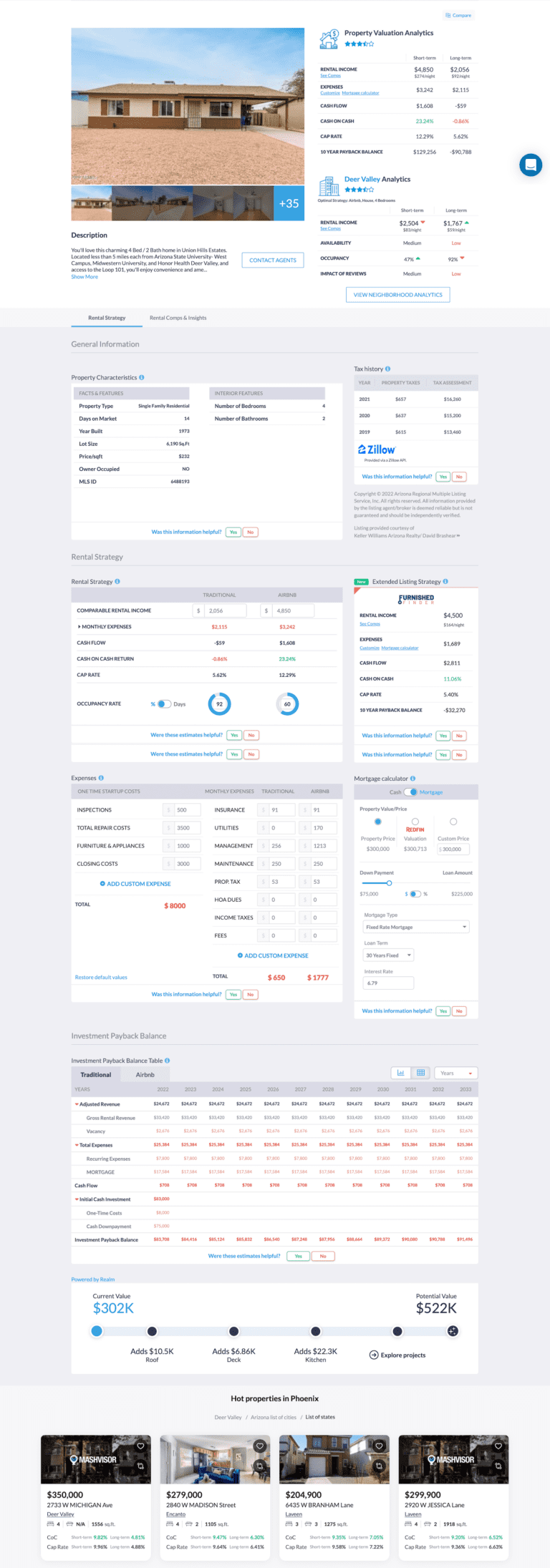
Airbnb revenue increasingly relies on data analysis, and competition is fierce. Hosts need every advantage. Tools like AirDNA and BNB Calc offer insights beyond basic occupancy rates. They are changing the short-term rental market, now estimated at over $35 billion and growing.
AI adoption in this space is growing. As algorithms become more sophisticated and data more available, the gap between data-driven hosts and those using traditional methods will widen. This shift requires attention from anyone serious about maximizing rental income. Understanding how these tools work and integrating them into your strategy is key.
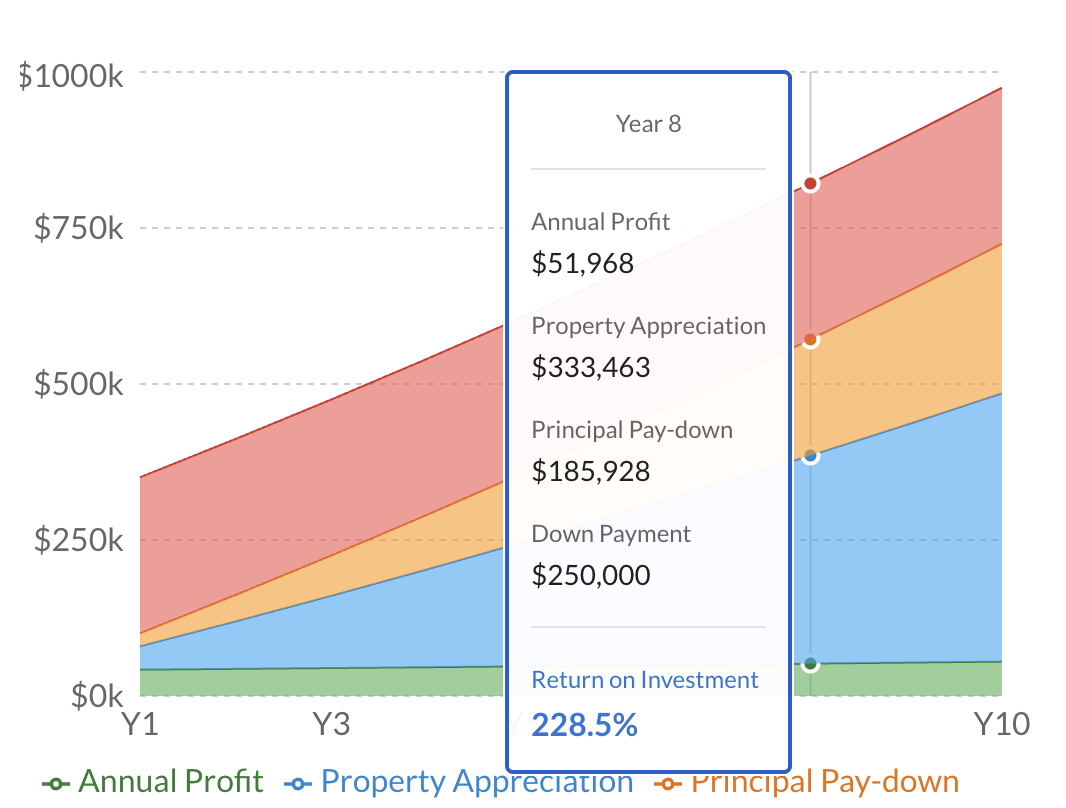
Beyond Gut Feeling: How Revenue Calculators Work
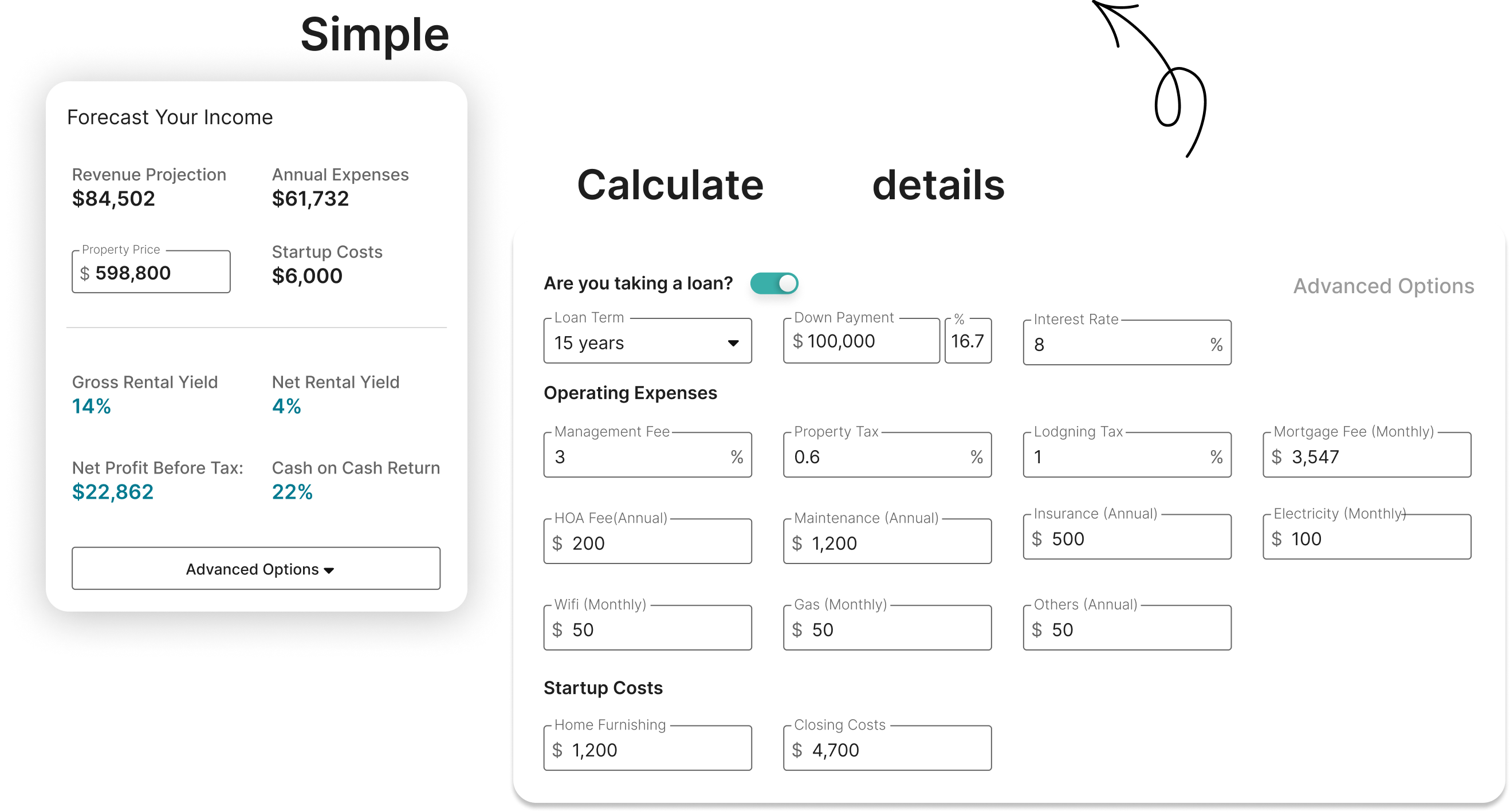
Airbnb revenue calculators analyze data points to predict pricing and occupancy. They consider occupancy rates (your own and comparable properties), average daily rate (ADR) trends, and seasonal fluctuations. They also factor in local events, like concerts or festivals, that drive demand.
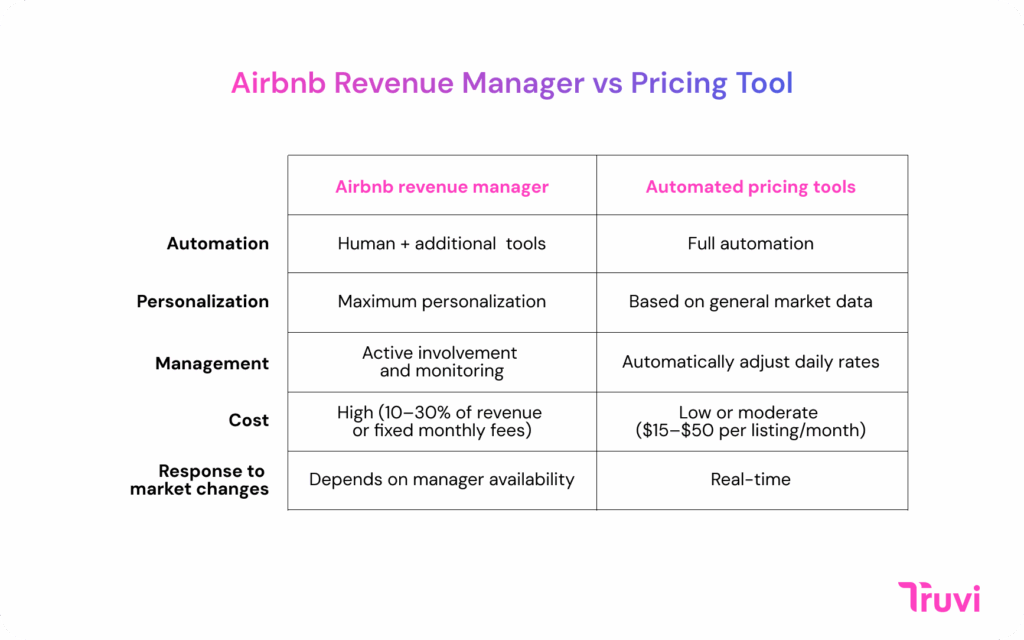
These calculators differ from manual methods. A spreadsheet can track historical data, but it can’t predict future demand accurately. Relying solely on past performance ignores the market's dynamic nature. The power is in dynamic pricing, where AI adjusts rates based on real-time data, maximizing revenue.
The data sources are crucial. Calculators draw from Airbnb public data, but also leverage third-party data providers like AirDNA, which aggregate and analyze a wider range of information. Some even incorporate data from local tourism authorities and economic indicators. The more comprehensive the data, the more accurate the predictions.
AirDNA Adapt vs. BNB Calc: A Feature Breakdown
Both AirDNA Adapt and BNB Calc aim to estimate potential short-term rental revenue, but they approach the task with different strengths. AirDNA Adapt is known for its extensive market data and research capabilities, providing a broad overview of market trends and competitive landscapes. BNB Calc, in contrast, focuses on a more streamlined, user-friendly experience with a strong emphasis on calculating potential income for a specific property.
When it comes to revenue estimation, AirDNA prioritizes comprehensive market analysis, considering factors like property type, location, and amenities to provide a detailed revenue forecast. BNB Calc offers a quick and easy-to-use calculator, allowing hosts to input property details and receive an instant revenue estimate. They also handle different property types effectively, although AirDNA offers more granular control over unique stays.
Granularity is a key differentiator. AirDNA allows for more precise adjustments based on specific amenities and features, while BNB Calc focuses on broader categories. Notably, BNB Calc has partnered with Steadily Insurance to offer comprehensive coverage options to its users, a benefit not currently offered by AirDNA. Both platforms are valuable, but the best choice depends on your specific needs and level of analytical detail required.
Feature Comparison: Airbnb Analytics Platforms - AirDNA Adapt vs. BNB Calc
| Feature | AirDNA Adapt | BNB Calc |
|---|---|---|
| Revenue Prediction Accuracy | High | Moderate |
| Data Granularity | Detailed, market-level | Basic, neighborhood-level |
| Competitor Analysis | Comprehensive, listing-specific comparisons | Limited, general market overview |
| Dynamic Pricing Integration | Available | Available |
| Ease of Use | Moderate, steeper learning curve | High, user-friendly interface |
| Insurance Options | Partnerships with insurance providers | Information resources, no direct integration |
| Market Research Tools | Extensive research solutions available | Focus on revenue calculation |
| Property Search | Find For Sale Properties | Not Available |
Illustrative comparison based on the article research brief. Verify current pricing, limits, and product details in the official docs before relying on it.
The AI Advantage: Predictive Analytics in Action
The core of the revenue boost comes from AI algorithms, specifically machine learning. These algorithms don't just look at historical data; they identify patterns and correlations that humans might miss. They learn from vast datasets and continuously refine their predictions, becoming more accurate over time. This is a significant leap beyond traditional forecasting methods.
AI algorithms account for external factors that impact demand. Economic indicators, like inflation and unemployment rates, are factored in. Travel trends, gleaned from flight booking data and search queries, provide insights into future demand. Even social media buzz – tracking mentions of a city or event – can influence pricing recommendations. This holistic approach is what sets AI-powered calculators apart.
Demand forecasting is a critical component. If a major conference is announced in a city, the AI will predict a surge in demand and suggest increasing rates before competitors react. This proactive approach allows hosts to capitalize on peak demand and maximize revenue. It’s about anticipating market shifts, not just reacting to them.
Real-World Impact: Case Studies of Profit Increases
Let's look at some real-world examples. A host in Austin, Texas, managing a 2-bedroom condo, initially generated $2,800 per month in revenue. After implementing dynamic pricing based on AirDNA Adapt’s recommendations, revenue increased to $3,920 per month – a 40% increase. The strategy focused on adjusting rates based on local events and competitor pricing.
Another case involved a beachfront property in Myrtle Beach, South Carolina. The host used BNB Calc to identify underpriced nights during the shoulder season (spring and fall). By increasing rates during these periods, revenue climbed from $4,500 to $5,850 per month – a 30% improvement. This was achieved by leveraging the calculator’s seasonality insights and competitor analysis.
Finally, a host in Nashville, Tennessee, managing a unique 'glamping' property, saw a 35% revenue increase after using AirDNA Adapt to identify a niche market of travelers seeking unique experiences. They adjusted their listing description and pricing to target this specific demographic, resulting in higher occupancy rates and increased revenue. These examples demonstrate the tangible benefits of data-driven decision-making.
Beyond Revenue: Optimizing Occupancy and Seasonality
These calculators aren’t just about maximizing revenue; they’re also powerful tools for optimizing occupancy. By identifying peak and off-peak seasons, hosts can adjust pricing strategies to attract guests during slower periods. This might involve offering discounts, running promotions, or highlighting unique amenities.
Maximizing occupancy during off-peak times requires a deep understanding of local demand patterns. AI can help identify niche markets that are underserved. For example, a property might be well-suited for remote workers seeking a change of scenery or families looking for a pet-friendly vacation rental. Tailoring your listing and pricing to these specific groups can significantly boost occupancy.
Understanding seasonality is paramount. A beach property will naturally experience higher demand during the summer months, but AI can help identify secondary demand drivers, such as spring break or fall festivals. By adjusting pricing and marketing efforts accordingly, hosts can smooth out demand throughout the year and maximize overall revenue.
The Future of Airbnb Analytics: What’s Next?
The evolution of Airbnb analytics is far from over. We can expect to see even more sophisticated AI algorithms that incorporate a wider range of data points, including real-time market conditions and individual guest preferences. Data integration will become more seamless, with calculators automatically pulling data from multiple sources.
Personalization will likely play a bigger role. Imagine an AI that tailors pricing to individual guests based on their past travel history and spending habits. This level of customization could significantly increase conversion rates and revenue. New technologies like virtual reality and augmented reality could also transform the short-term rental market, allowing potential guests to virtually tour properties before booking.
However, it’s important to acknowledge the potential risks of over-reliance on data. While AI can provide valuable insights, it shouldn’t replace human judgment. Maintaining a personal touch and providing excellent customer service remains crucial. The future of Airbnb analytics isn’t just about algorithms; it’s about finding the right balance between data-driven decision-making and human interaction.
No comments yet. Be the first to share your thoughts!