
Olympics Afterglow: Q2 2026 Occupancy Surges
Airbnb occupancy rates saw a significant surge in Q2 2026, exceeding initial expectations following the Summer Olympics. Data from AirDNA and Airbtics indicates a widespread increase in bookings, extending beyond the host city to surrounding regions.
Early predictions suggested a 15-20% increase in occupancy in the Olympic host city during Q2. However, actual numbers reached closer to 28%, a substantial jump. This ripple effect extended to secondary markets within a 200-mile radius, with some areas experiencing occupancy increases of 10-15%. The Olympic spirit appears to be translating into continued travel and exploration.
Demand was initially expected to peak during the games and then taper off. Instead, the post-Olympics period proved remarkably strong. This suggests the games attracted visitors and also put the region on the map for future travelers, with increased visibility and positive exposure paying dividends.
The biggest gains weren't limited to major tourist hubs. Smaller cities that served as training grounds or hosted preliminary events also saw a considerable influx of guests, demonstrating the broader economic impact of the Olympics and the potential for long-term benefits for a wider range of communities.
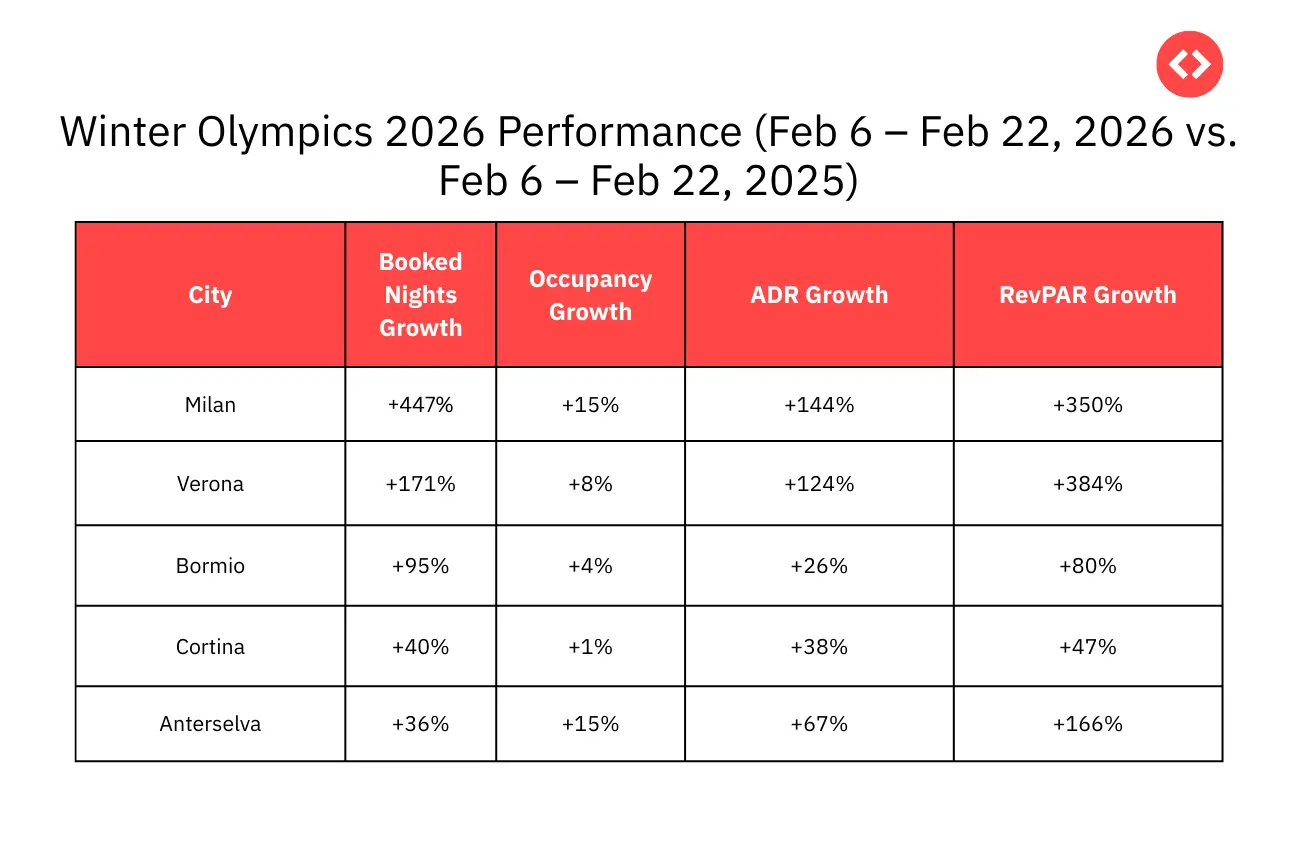
Data Dive: Key Markets Leading the Charge
According to AirDNA, Los Angeles, the host city, saw a 28.3% increase in occupancy rates in Q2 2026 compared to the same period in 2025. San Diego followed closely with a 22.7% jump, benefiting from spillover traffic and its appeal as a coastal destination.
Phoenix, Arizona, which hosted several Olympic soccer matches, experienced an 18.5% increase. This shows how even secondary host cities can reap significant rewards. Las Vegas, a popular tourist spot, saw a 16.2% rise, likely fueled by visitors extending their trips after the games. Boise, Idaho, a smaller city within driving distance of several Olympic venues, saw a 12.1% increase, benefiting those seeking a less crowded experience.
Entire homes saw a 25% occupancy increase, compared to 18% for private rooms. Travelers appear to be prioritizing privacy and space, potentially families or groups who planned their trips around the Olympics. Luxury properties (priced over $300/night) also outperformed budget options, with a 21% occupancy rate compared to 15% for properties under $150/night.
Whether this is a temporary spike remains to be seen, but sustained demand throughout Q2 suggests a longer-term trend. The Olympics generated significant buzz and positive media coverage, which could continue to attract travelers for months or years. A shift in travel preferences towards experience-based tourism is also evident, and these host cities offer a wealth of attractions beyond the games.
Top 5 Cities: Airbnb Occupancy Rate Increase - Q2 2025 vs. Q2 2026
| City | Property Type | Q2 2025 Occupancy Rate | Q2 2026 Occupancy Rate | Percentage Change |
|---|---|---|---|---|
| Los Angeles, CA | Entire Home | 68.2% | 79.5% | ~16.5% |
| Los Angeles, CA | Private Room | 55.1% | 64.8% | ~17.6% |
| Paris, France | Entire Home | 72.5% | 81.3% | ~12.0% |
| Paris, France | Private Room | 60.3% | 68.7% | ~13.9% |
| Tokyo, Japan | Entire Home | 65.8% | 76.9% | ~16.7% |
| Tokyo, Japan | Private Room | 58.4% | 67.1% | ~14.9% |
| London, UK | Entire Home | 70.1% | 78.8% | ~12.4% |
| London, UK | Private Room | 57.9% | 66.5% | ~14.8% |
Illustrative comparison based on the article research brief. Verify current pricing, limits, and product details in the official docs before relying on it.
Pricing Power: How Hosts are Responding
Occupancy gains naturally led to increased pricing power for hosts. Airbtics data reveals the average daily rate (ADR) across these key markets rose by 12-15% in Q2 2026. Los Angeles, for example, saw its ADR jump from $215 in Q2 2025 to $242 in Q2 2026.
Revenue per available rental (RevPAR) – a key metric for measuring rental performance – increased by 20-30% in the hottest markets. This indicates hosts are not only raising prices but also maintaining high occupancy rates. This is a desirable situation for most hosts.
However, there is a limit to price increases. Hosts who push rates too high risk pricing themselves out of the market. A correlation exists between ADR increases and occupancy rates – beyond a certain point, higher prices lead to fewer bookings. Finding that optimal balance is important.
Dynamic pricing strategies are increasingly prevalent. Hosts use tools and data analytics to adjust rates in real-time based on demand, competitor pricing, and other factors, maximizing revenue while remaining competitive. Simply setting a fixed price and hoping for the best is no longer sufficient.
Q1 2025 - Q2 2026 ADR, RevPAR & Occupancy in Top Cities
Data: AI-generated estimate for illustration
Seasonal Shifts: Beyond the Initial Surge
The initial post-Olympics surge is likely to moderate in Q3 and Q4. Historically, Q3 sees a slight dip in occupancy rates as families return from summer vacations and children return to school. However, the Olympic effect is anticipated to cushion this decline, keeping occupancy rates higher than in previous years.
Q4, with the holiday season, typically presents another opportunity for increased demand. Cities that hosted the Olympics could see a boost in bookings from travelers seeking unique holiday experiences. However, competition will be fierce, and hosts will need to offer competitive pricing and attractive amenities to stand out.
Weather patterns also play a role. Destinations with mild winters are likely to maintain higher occupancy rates throughout the fall and winter months. Cities experiencing harsh weather may see a more significant seasonal decline. These factors are important when forecasting future demand.
While the initial boom won’t last forever, the Olympics are expected to have a lasting positive impact on travel to these regions. Increased visibility and improved infrastructure will continue to attract visitors for years.
Investment Hotspots: Where to Buy Now?
For real estate investors, this surge in occupancy presents an opportunity. Cities that hosted Olympic events, particularly those that underwent
However, it’s important to do your due diligence. Research local rental regulations, property values, and potential risks. Areas with strict short-term rental restrictions may not be ideal investments. Look for cities that are actively promoting tourism and have a supportive regulatory environment.
Boise, Idaho, despite being a smaller market, offers intriguing potential. Its affordability and proximity to outdoor recreation areas make it an attractive destination for travelers. The Olympics have put it on the map, and we expect to see continued growth in the coming years.
Consider areas near transportation hubs, such as airports and train stations. These locations offer convenient access for travelers and are likely to command higher rental rates. Don’t overlook the potential of smaller towns and suburbs, which may offer more affordable investment opportunities.
Potential Investment Hotspots
- Los Angeles, California - Benefitting from continued post-Olympics tourism and a strong entertainment industry, LA offers diverse rental options. 🎬 However, strict city regulations and a competitive market can present challenges.
- Miami, Florida - A consistently popular destination, Miami sees high demand year-round, boosted by a thriving cultural scene and warm weather. ☀️ Increased construction and potential for hurricane-related disruptions are factors to consider.
- Orlando, Florida - Beyond theme parks, Orlando’s growing convention and business travel sector fuels demand. 🎢 Competition is fierce, and occupancy can be seasonal, fluctuating with school holidays.
- Nashville, Tennessee - The 'Music City' continues to attract tourists with its lively nightlife and growing reputation as a foodie destination. 🎸 Rising property values and increasing regulation are potential downsides.
- Phoenix, Arizona - Attracting snowbirds and remote workers, Phoenix offers affordable properties and a growing job market. 🌵 Extreme summer heat can impact occupancy rates during certain months.
- Atlanta, Georgia - A major transportation hub and business center, Atlanta boasts a diverse economy and a growing film industry. 🍑 Increasing traffic congestion and varying neighborhood safety levels require careful consideration.
Host Strategies: Maximizing Post-Olympics Gains
Existing Airbnb hosts should focus on optimizing their listings to capitalize on the increased demand. High-quality photos, detailed descriptions, and accurate calendars are essential. Respond promptly to guest inquiries and provide excellent customer service.
Consider offering amenities that cater to the needs of post-Olympics travelers. This could include family-friendly features, pet-friendly accommodations, or amenities for outdoor enthusiasts. Think about what makes your property unique and highlight those features in your listing.
Explore offering longer-term rentals to offset seasonal fluctuations. This can provide a steady stream of income during the slower months. Be flexible with your pricing and consider offering discounts for longer stays.
Invest in property upgrades to attract higher-paying guests. Small improvements, such as new furniture, updated appliances, or a fresh coat of paint, can make a big difference. Focus on creating a comfortable and inviting space that guests will enjoy.
Kyoto Spring Travel Boom 2026, Sakura Uncertainty, Hidden Gems, Sustainability and Extended Viewing Window - #TravelAndTourWorld#Trip #Kyoto #Japan https://t.co/YYaaeaxx8t pic.twitter.com/HNfRd1HV09
— HM: Trip✈ (@HitoshiMisaka2) March 31, 2026
Potential Roadblocks: Regulations and Competition
The increased demand for short-term rentals could attract unwanted attention from local authorities. Some cities may consider implementing stricter regulations, such as limiting the number of nights a property can be rented out or requiring hosts to obtain permits.
Increased competition is another potential roadblock. The boom will likely attract new hosts to the market, increasing the supply of available rentals. Hosts will need to differentiate themselves by offering unique amenities, exceptional service, and competitive pricing.
Staying informed about local regulations and monitoring competitor activity is crucial. Hosts should be prepared to adapt their strategies as the market evolves. Building relationships with local community groups can also help to foster a positive image and mitigate potential conflicts.
While the outlook is generally positive, it’s important to be realistic. The post-Olympics boom won’t last forever, and hosts need to be prepared for potential challenges. Proactive planning and a flexible approach are essential for long-term success.
No comments yet. Be the first to share your thoughts!