
pricing beyond gut feeling
For many short-term rental hosts today, setting prices feels… imprecise. It’s a blend of checking comparable properties, a sense of the season, and a little bit of hoping for the best. This manual approach, while understandable, leaves money on the table. Hosts often underprice during peak demand or overprice during slower periods, resulting in lost revenue and missed opportunities.
The reality is that relying on intuition and basic competitor analysis is becoming increasingly insufficient. The short-term rental market is growing more complex, with a growing number of properties and fluctuating demand. By 2026, operating successfully will require a shift towards data-driven pricing strategies. It's no longer enough to simply see what others are charging.
Consider the sheer number of factors at play. Seasonality is obvious, but then you have local events, shifts in travel trends, competitor promotions, even the weather impacting demand. Accurately accounting for all these variables manually is nearly impossible. The hosts who embrace technology and data will be the ones who thrive in this evolving landscape.
how predictive analytics works
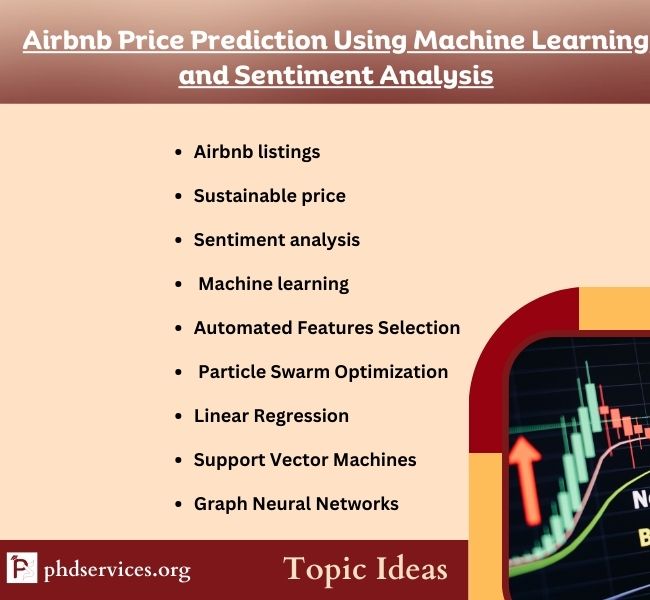
Machine learning is transforming how rental properties are priced. These algorithms aren’t just looking at past data; they’re predicting future demand. This goes far beyond simply averaging comparable listings. The core idea is to identify patterns in historical data to forecast optimal pricing for any given night.
At the heart of these systems are techniques like regression models – which analyze relationships between variables – and time series analysis, which looks for trends over time. Demand forecasting models attempt to predict how many people will be looking to book in your area, allowing you to adjust prices accordingly. It’s about understanding the probability of a booking at a specific price point.
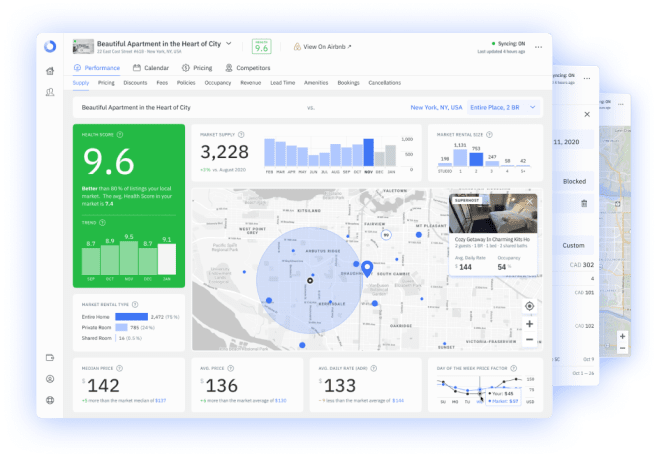
Tools like AirDNA Adapt are leading the charge in this area. They utilize extensive Airbnb market data to build these predictive models, offering hosts a data-backed approach to pricing. AirDNA’s approach isn’t simply about matching competitors; it’s about understanding the underlying drivers of demand and adjusting prices to maximize revenue. This moves beyond static comparison to a dynamic, predictive strategy.
- Regression models to find links between amenities and occupancy
- Time Series Analysis: Detect patterns and trends in historical data to forecast future demand.
- Demand Forecasting: Predict booking volume based on various influencing factors.
the data behind the algorithms
The accuracy of AI-powered pricing hinges on the quality and breadth of the data used to train the algorithms. It's not just about having some data, it's about having relevant and up-to-date data. A wide range of information is crucial for building effective models.
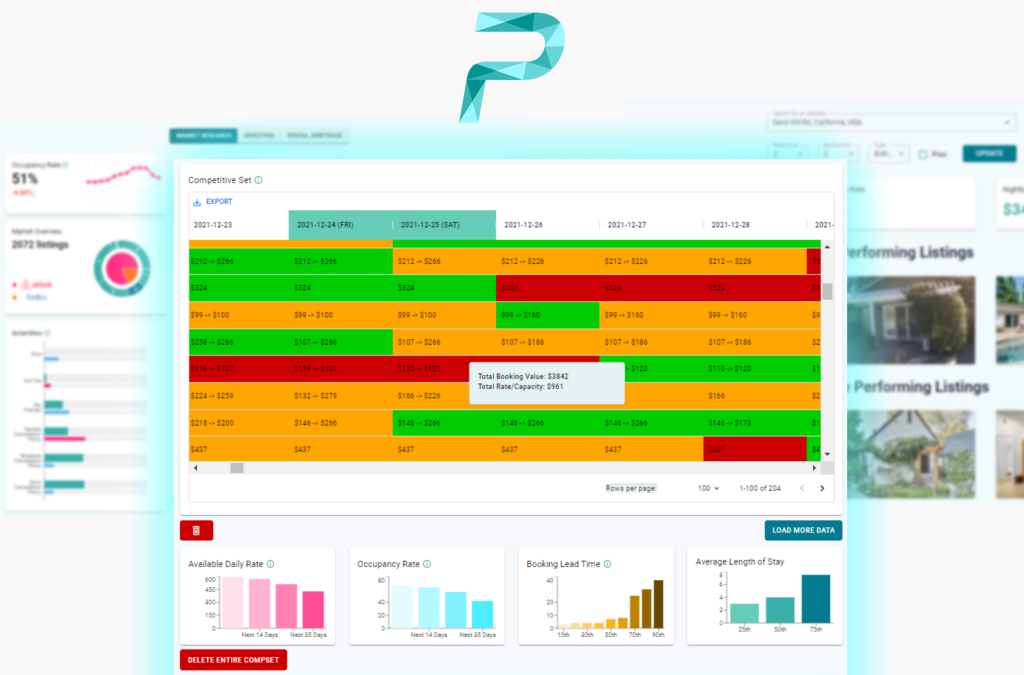
Key inputs include historical occupancy rates for your property and the surrounding market, nightly rates charged by competitors, seasonal trends, local event schedules (concerts, festivals, conferences), and even real-time weather data. Competitor pricing information needs to be scraped frequently – ideally, multiple times per day – to reflect current market conditions.
Rabbu's Airbnb Calculator highlights the importance of these data points. Their tool, like others, relies on comprehensive data to estimate potential rental income. Data quality is paramount; inaccurate or outdated information will lead to flawed pricing recommendations. The more comprehensive the data set, the more reliable the predictions.
Dynamic Pricing in Action: Scenarios
Let’s look at a few scenarios to illustrate how dynamic pricing works in practice. Imagine a major tech conference is scheduled to take place in your city. An AI-powered pricing system would automatically increase your nightly rates in anticipation of the surge in demand from conference attendees. It wouldn’t just be a flat increase; the algorithm would consider the location of the conference venue, the type of property, and the expected level of demand.
Consider a sudden heatwave. If you have a property with a pool, an AI system would recognize the increased desirability and adjust your prices upward. Conversely, if a competitor suddenly drops their prices, the system would respond by adjusting yours to remain competitive, potentially offering a slight discount or highlighting unique amenities.
Even last-minute cancellations present opportunities. An AI system can quickly identify the vacancy and adjust prices to attract bookings, potentially offering a small discount to fill the gap. The goal is to maximize revenue every single night. For a host, this translates to increased occupancy and a higher overall income. A property that might have sat vacant could now generate revenue thanks to the responsiveness of the system.
- Raising rates automatically when a local conference is announced
- Heatwave Scenario: Increased rates for properties with desirable amenities (like pools).
- Competitor Price Drop: Adjusted rates to maintain competitiveness.
- Last-Minute Cancellation: Discounted rates to fill vacancies.
measuring roi with revpar
The financial benefits of AI-powered pricing can be substantial. Even seemingly small percentage increases in nightly rates can translate into significant revenue gains over time. This is where a rental property roi calculator becomes an essential tool for understanding the potential impact.
A key metric to consider is RevPAR – Revenue Per Available Room. This is calculated by multiplying the average nightly rate by the occupancy rate. AI-powered pricing aims to maximize both of these components, ultimately boosting RevPAR. A 5% increase in nightly rates, combined with a 2% increase in occupancy, can lead to a significant jump in overall revenue.
Understanding your potential ROI requires careful analysis. Using a tool like BNBCalc or AirDNA’s rentalizer will give you a clear picture of the potential income your property can generate with optimized pricing. It's about making informed decisions based on data, not guesswork.
Beyond Price: Optimizing for Occupancy
AI-powered systems aren’t limited to just adjusting nightly rates. They can also optimize other aspects of your listing to attract more bookings. This includes suggesting optimal minimum stay requirements – for example, increasing the minimum stay during peak season or for high-demand events.
Algorithms can also identify opportunities to offer discounts for longer stays, encouraging guests to book for extended periods. Furthermore, AI can analyze listing descriptions and suggest improvements to highlight key amenities and attract more attention. It’s about presenting your property in the most appealing way possible.
A/B testing different pricing strategies is also crucial. This involves experimenting with different price points and minimum stay requirements to see what performs best. AI can automate this process, continuously refining your pricing strategy based on real-time data and guest behavior. The goal is to find the sweet spot that maximizes both occupancy and revenue.
why you still need human oversight
AI is a tool, not a replacement for your own eyes. Algorithms provide a baseline, but I still review every major price shift based on what I know about my specific neighborhood.
Local market conditions can sometimes be overlooked by algorithms. For example, a local festival or event that isn’t widely publicized might create increased demand in your area. Similarly, unique property features or local attractions might warrant a higher price point than the algorithm suggests. Blindly following AI recommendations without considering these factors can lead to suboptimal results.
Effective use of AI-powered pricing requires a collaborative approach. Let the algorithm handle the data analysis and provide recommendations, but always exercise your own judgment and make informed decisions based on your understanding of the local market.
No comments yet. Be the first to share your thoughts!