
Beyond Gut Feeling: The Rise of Data-Driven Rentals
Setting vacation rental prices used to be an art. It involved intuition, a quick scan of competitors on Airbnb and Vrbo, and occasional seasonal adjustments. This approach was imprecise, relying on gut feelings and limited market snapshots in a rapidly changing space.
Dynamic pricing tools are changing how hosts and property managers approach revenue management. The amount of Airbnb market data available today is vast, making manual analysis nearly impossible. These tools offer convenience and unlock revenue potential previously out of reach.
The old way involved reacting to trends; now, hosts can anticipate them. The complexity of demand factors, from local events to global economic shifts, makes manual adjustments a constant game of catch-up. Data-driven solutions address this challenge by augmenting expertise with insights.
AirDNA Adapt & Beyond: The New Toolset
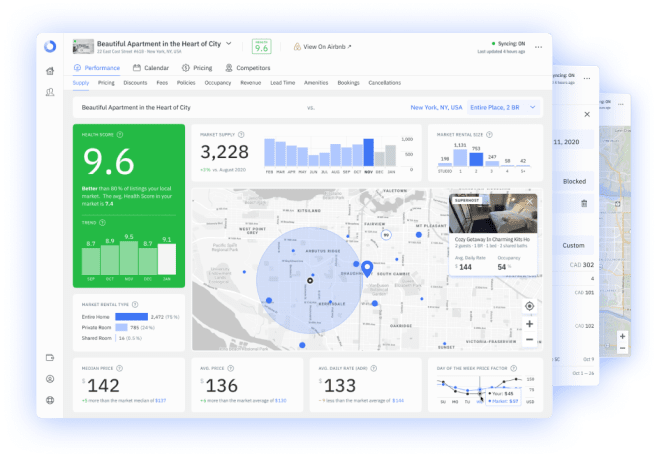
AirDNA Adapt is a prominent name in dynamic pricing for vacation rentals. Airbtics also offers a robust suite of vacation rental analytics, providing hosts with another perspective on market trends. The core idea behind these tools is to leverage data to optimize pricing.
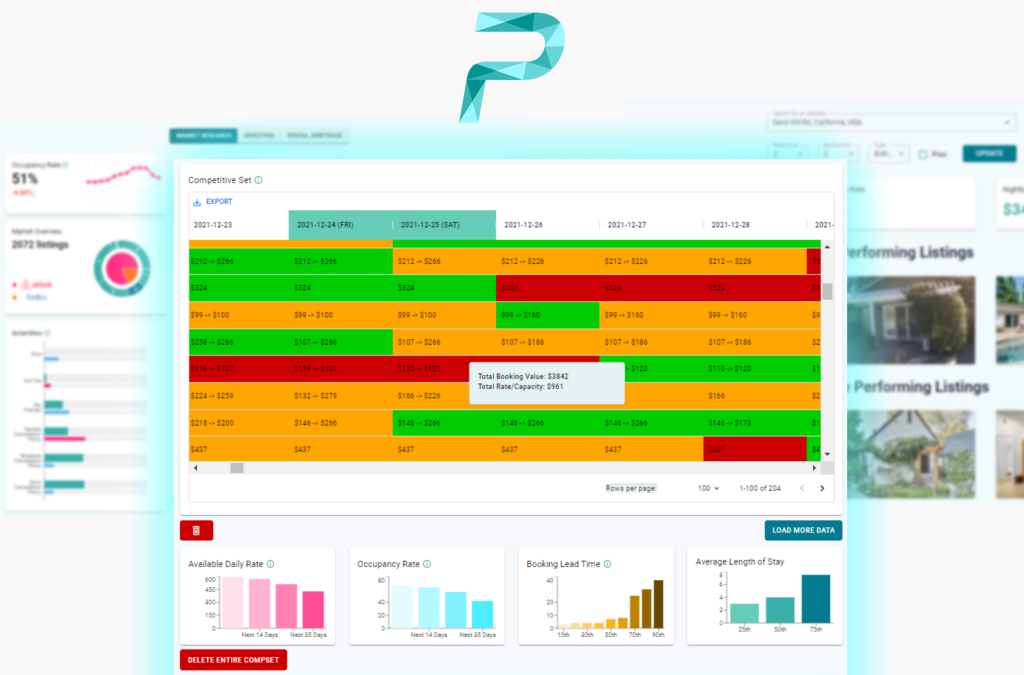
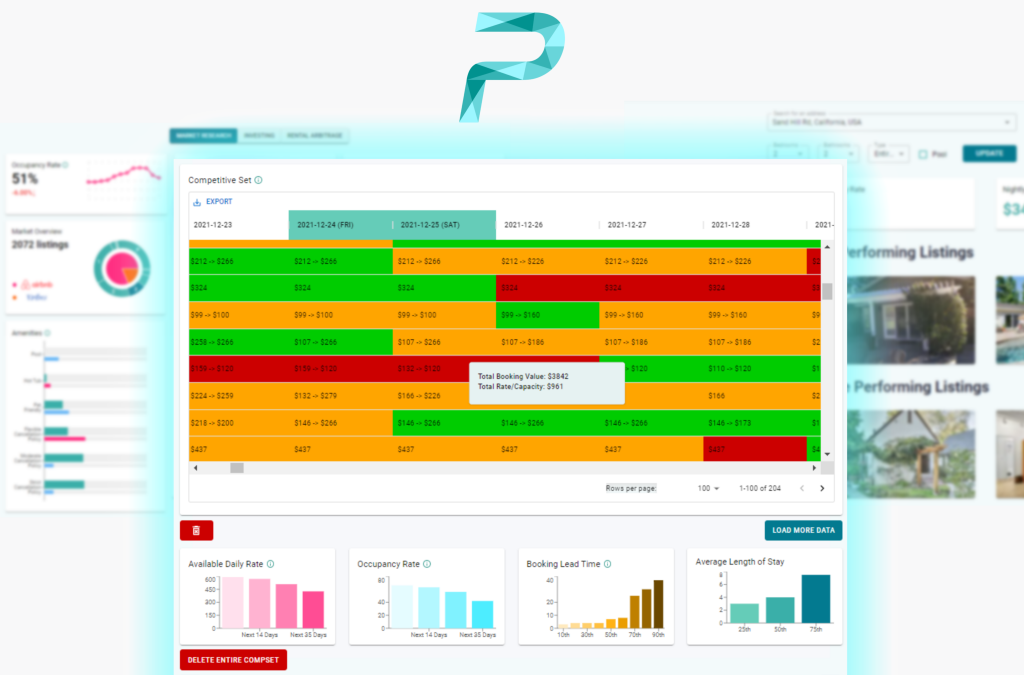
These platforms pull data from Airbnb, Vrbo, and other sources to build a market picture. This includes real-time occupancy rates, average daily rates (ADR), seasonality, and local event impacts. They monitor the competitive set—properties similar to yours—to identify pricing opportunities.
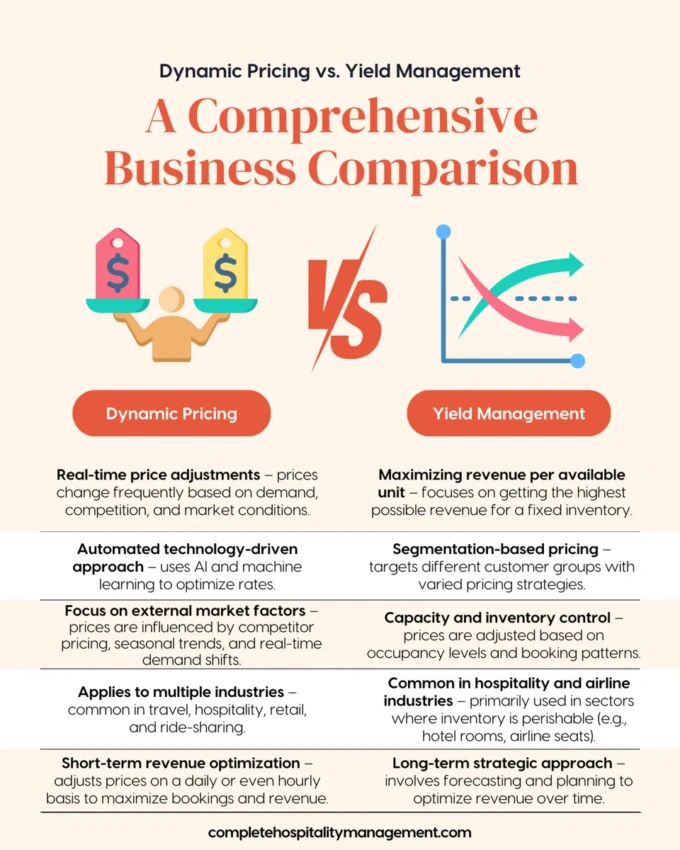
The logic is straightforward: analyze historical data to identify patterns and predict future demand, then adjust prices accordingly. Prices increase when demand is high and lower when demand is low, aiming to maximize revenue, not just occupancy. Automated adjustments respond to changes in real-time.
- Data Sources: Airbnb, Vrbo, and other short-term rental platforms.
- Key Metrics: Occupancy rates, average daily rates (ADR), seasonality, local event impact.
- Core Function: Automated price adjustments based on market analysis.
Core Data Inputs
- Occupancy Rates - Understanding how full comparable properties are is fundamental. Tools analyze your area to pinpoint demand. 📈
- Competitor ADR - What are similar rentals charging? Dynamic pricing tools constantly monitor Average Daily Rate across the market. 💰
- Seasonal Demand - Demand isn’t constant. Tools factor in peak seasons, holidays, and even shoulder seasons to adjust prices accordingly. 🗓️
- Local Events - Concerts, festivals, conferences… events drive up demand and allow for price increases. Tools integrate event data. 🎉
- Day-of-Week Pricing - Weekends typically command higher rates. Dynamic pricing adjusts based on these established patterns. 📅
- Length-of-Stay Discounts - Attract longer bookings with strategic discounts. Tools help optimize these to maximize overall revenue. ⏳
- Real-time Market Data - Access to up-to-the-minute information about bookings, rates, and availability is crucial for accurate adjustments. 📡
Revenue Per Available Night: The Metric That Matters
Occupancy and ADR are important, but Revenue Per Available Night (RevPAN) is a more comprehensive performance measure. It combines both occupancy and ADR. Dynamic pricing tools aim to maximize RevPAN, even if it means sacrificing some occupancy.
Consider this: a property 80% occupied at $200 per night generates $16,000 in revenue. A property 70% occupied at $250 per night generates $17,500. The latter has lower occupancy but higher RevPAN and more revenue. This is the principle behind smart pricing.
An Airbnb revenue calculator powered by dynamic pricing focuses on maximizing income. It automatically increases prices during peak demand periods—holidays, festivals, or weekends—and lowers them during slower periods, ensuring maximum revenue capture regardless of occupancy fluctuations. This shifts the mindset from filling beds to maximizing income.
Market-Specific Strategies: What Works Where?
Markets differ. A dynamic pricing strategy for Orlando, Florida, won't necessarily work in Aspen, Colorado. Coastal destinations are influenced by weather and seasonal tourism. Mountain towns see demand spikes during ski and summer hiking seasons. Urban centers are driven by business travel and events.
Dynamic pricing tools adapt by incorporating local market data. They analyze historical trends, identify demand drivers, and adjust prices. AirDNA’s research shows the importance of understanding local event calendars. A major conference or festival can significantly increase demand, and these tools can automatically adjust prices to capitalize on the opportunity.
A property near a convention center might see a surge in bookings during a trade show. A dynamic pricing tool will recognize this pattern and increase prices. A beach house might see higher demand during school holidays and summer weekends. The best tools allow customization of strategies based on property type and location, going beyond broad market averages.
A major music festival can cause short-term rental demand and prices to skyrocket. A dynamic pricing tool will increase prices and potentially adjust minimum stay requirements to maximize revenue during this peak period.
Beyond the Algorithm: The Human Touch
Dynamic pricing isn't a set-it-and-forget-it solution. It's a powerful tool requiring human oversight. Hosts must monitor performance, analyze data, and make adjustments. The algorithm provides a starting point but cannot account for every variable.
Understanding your local market is important. Consider upcoming events the algorithm might miss, unique property features that justify a higher price, or potential disruptions affecting demand. A human host can consider these factors.
Handling special requests or last-minute bookings requires a personal touch. A dynamic pricing tool cannot negotiate with guests or offer discounts. A host's judgment and communication skills are essential here. These tools are assistants, augmenting expertise, not replacing it.
The Data Privacy Question
The rise of data-driven pricing raises concerns about data collection and privacy. How do these tools collect data, what data do they share, and what are the implications for hosts and guests? This is a valid question that needs addressing.
These tools primarily collect publicly available data from Airbnb, Vrbo, and other sources, not private guest information. They aggregate and analyze data about rental properties, occupancy rates, and pricing trends to generate insights and recommendations.
Transparency is key. Hosts should understand what data is collected, how it's used, and who it's shared with. Ensure these tools comply with relevant data privacy regulations. Understanding these aspects is vital for responsible use of these platforms.
What 2026 Holds: Predictions and Trends
Looking ahead to 2026, expect more sophisticated algorithms and greater integration with other property management tools. Personalization will likely continue, with dynamic pricing tools tailoring recommendations to individual properties and markets.
We can anticipate advancements in AI-powered pricing that can predict demand with even greater accuracy. This will involve incorporating new data sources, such as social media sentiment analysis and real-time event data. Imagine a tool that can predict a surge in demand based on social media buzz surrounding a local event.
Greater integration with channel managers and property management systems (PMS) will streamline the pricing process and automate more tasks. This will free up hosts to focus on guest experience and property maintenance. Ultimately, the goal is to create a seamless and efficient revenue management system. The availability of more granular vacation rental analytics will be key.
- 2024: Increased adoption of dynamic pricing tools across all market segments.
- 2025: Greater integration with channel managers and PMS.
- 2026: AI-powered pricing and predictive analytics become mainstream.
No comments yet. Be the first to share your thoughts!