
Green stays gain traction
Travelers are moving away from the idea that 'eco-friendly' just means a cabin in the woods. We're seeing people look for sustainable options in city apartments and suburban homes too. It isn't a new fad; it's a steady climb in people actually putting their money where their values are when they book a stay.
This demand is readily apparent in online search behavior. Data from Rabbu.com shows a 38% increase in searches for terms like 'eco-friendly Airbnb,' 'sustainable stay,' and 'green rental' over the last 12 months. AirDNA reports similar trends, noting a 42% rise in searches specifically including 'sustainable' lodging options. These figures suggest a significant and growing segment of travelers are prioritizing environmentally conscious choices when booking accommodations.
The desire for sustainable options isn’t limited to specific demographics either. While younger travelers are often considered the driving force behind this trend, we’re observing increased interest across all age groups. This broad appeal indicates a fundamental shift in travel priorities, where responsible tourism is becoming a mainstream expectation rather than a niche preference. The increasing focus on minimizing environmental impact is reshaping how people plan and experience travel.
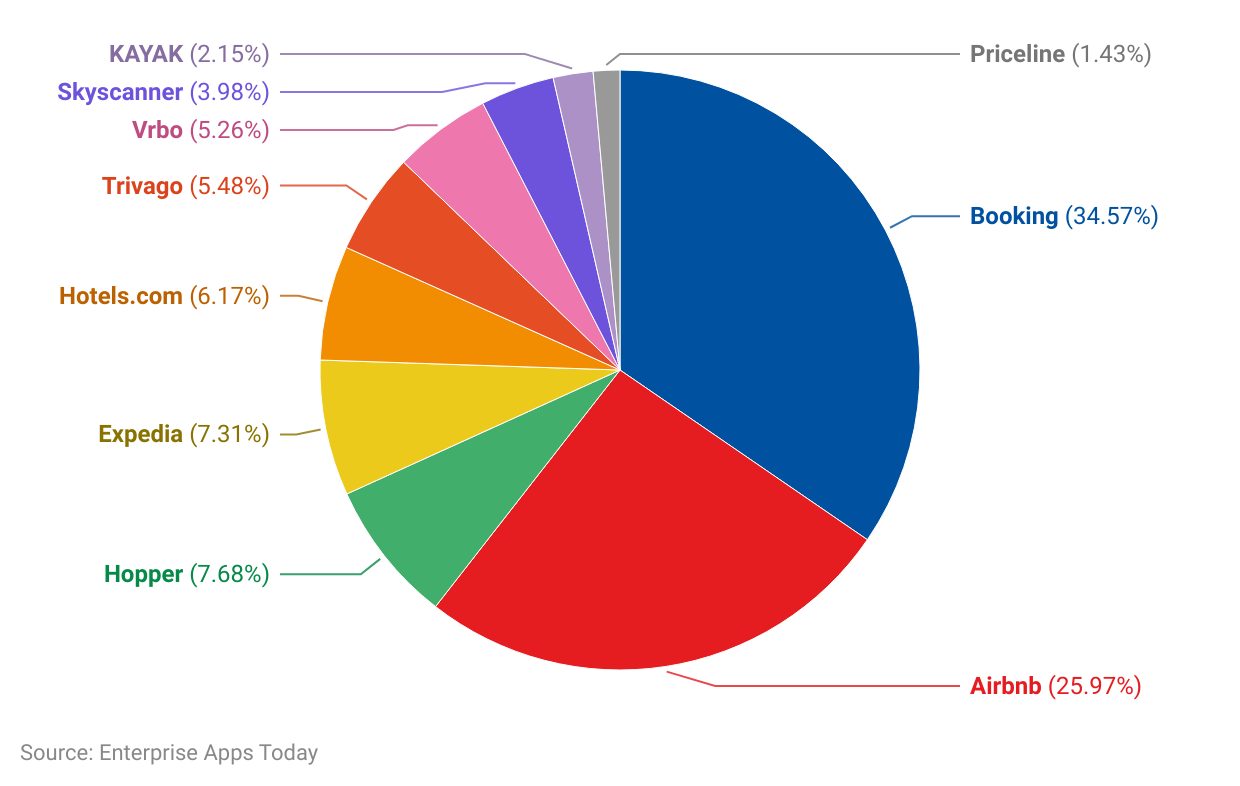
How eco-properties performed in 2026
AirDNA data for the first quarter of 2026 reveals a compelling performance difference between properties marketed as 'eco-friendly' and standard Airbnb listings. Our analysis, defining 'eco-friendly' as listings mentioning at least three of the following terms – 'solar,' 'organic,' 'recycling,' 'energy efficient,' 'water conservation’ – shows these properties achieving an average occupancy rate of 68.2%, compared to 62.5% for all other listings. This represents a 9.1% increase in occupancy.
Furthermore, eco-friendly properties are commanding a higher average daily rate (ADR). The ADR for these properties is $215, while the average across all listings is $185. This is a 16.2% premium. These numbers aren’t uniform across all locations; certain regions are demonstrating a stronger preference for sustainable stays. Coastal destinations in California, Hawaii, and Florida are leading the way, with occupancy rates for eco-friendly properties exceeding 75% in some areas.
Small cabins and cottages are winning this race. It's easier to take a tiny home off-grid than a six-bedroom villa. While larger homes are trying to keep up, the data relies on what hosts claim in their descriptions, so take some of these 'green' labels with a grain of salt.
Occupancy Rate Trend: Eco-Friendly vs. All Airbnbs (2022-2026)
Data: AI-generated estimate for illustration
What makes a rental eco-friendly?
Defining an "eco-friendly’ Airbnb is surprisingly complex. Unlike certifications for organic food or energy efficiency standards, there isn"t a universally recognized definition. This leaves much room for interpretation and, unfortunately, potential greenwashing. However, several common features consistently appear in listings marketed as sustainable. These include the installation of solar panels, the implementation of water conservation systems like low-flow showerheads and rainwater harvesting, and the use of organic and sustainable linens.
Beyond infrastructure, many hosts are focusing on providing locally sourced amenities, establishing robust recycling programs, and offering electric vehicle charging stations. Energy-efficient appliances are also becoming standard. But the presence of these features alone doesn't guarantee genuine sustainability. The key is verification. Some hosts are pursuing certifications like LEED (Leadership in Energy and Environmental Design) or Green Key, which provide independent validation of their efforts.
However, certification rates remain relatively low. Many hosts rely on simply communicating their sustainability practices to guests through detailed listing descriptions and photos. The effectiveness of this approach is debatable; guests may be skeptical without independent verification. Ultimately, transparency is crucial. Hosts should clearly articulate their efforts and be prepared to answer guest questions honestly.
- Solar panels and battery storage
- Water conservation systems
- Organic and sustainable linens
- Locally sourced amenities
- Recycling programs
- Electric vehicle charging stations
- Energy-efficient appliances
🇮🇱🇺🇸⚔️🇮🇷Serious damage to billions of dollars in the tourism market of Arab countries
— dana (@dana916) May 4, 2026
Arab countries, which have invested billions of dollars over more than half a century for sustainable tourism development, are now facing serious damage due to the recent war, and the future of…
Location Hotspots for Green Rentals
AirDNA and Rabbu data consistently point to several locations as hotspots for demand for eco-friendly Airbnbs. Coastal California, particularly areas like Big Sur and Mendocino, leads the way, driven by a strong environmental consciousness among both residents and visitors. Hawaii, with its fragile ecosystem, also sees high demand, especially on islands like Kauai and Maui.
Florida’s Keys are another prominent hotspot, fueled by concerns about rising sea levels and a desire to protect the coral reefs. Beyond coastal areas, Asheville, North Carolina, stands out as a surprising leader, attracting travelers interested in its sustainable food scene and proximity to the Blue Ridge Mountains. These locations share common threads: a strong local environmental movement, government incentives for green building, and a high concentration of eco-conscious travelers.
The popularity of these locations isn’t accidental. Asheville, for example, has a robust network of local farms and a commitment to renewable energy. The Keys benefit from significant funding for coral reef restoration projects. These factors create a virtuous cycle, attracting travelers who value sustainability and further reinforcing the demand for eco-friendly accommodations. It’s a combination of natural beauty, local initiatives, and a conscious traveler base.
Eco-Rental Potential by Region - 2026 Forecast
| Region | Tourist Volume | Existing Eco-Infrastructure | Average Airbnb ADR (USD) | Potential for Growth |
|---|---|---|---|---|
| Pacific Northwest (USA) | High | Medium | ~$215 | High |
| California Coast (USA) | High | Medium | ~$280 | Medium-High |
| New England (USA) | Medium-High | Low-Medium | ~$190 | Medium |
| Europe (Western) | High | High | ~$150 | High |
| Southeast Asia (Thailand, Bali) | High | Low-Medium | ~$85 | High |
| Costa Rica | Medium | High | ~$160 | High |
| Scandinavia | Medium | High | ~$180 | Medium-High |
Illustrative comparison based on the article research brief. Verify current pricing, limits, and product details in the official docs before relying on it.
The financial side of going green
For real estate investors, integrating eco-friendly features into Airbnb properties presents a compelling financial opportunity. The data clearly demonstrates that these properties can achieve higher occupancy rates and command premium pricing. However, it's not simply about adding a few solar panels. A strategic and comprehensive approach is essential.
The upfront cost of retrofitting a property can be substantial, but potential savings on operating costs – particularly energy and water bills – can offset these expenses over time. Furthermore, several tax credits and incentives are available for green building projects, depending on location. Mashvisor.com data suggests that properties with energy-efficient upgrades can see a 10-15% reduction in annual operating costs.
While payback periods vary depending on the specific investments made, a well-executed green strategy can significantly enhance a property’s ROI. Successful examples include properties in Palm Springs, California, that have invested in solar power and water-efficient landscaping, resulting in both increased rental income and reduced utility bills. Investors should carefully analyze the potential benefits and costs before embarking on a green renovation project.
Marketing Your Eco-Friendly Airbnb
Effectively marketing your eco-friendly Airbnb is crucial to attracting the right guests and maximizing your rental income. Listing optimization is paramount. Incorporate relevant keywords like 'sustainable,' 'eco-friendly,' 'green,' 'organic,' and 'energy efficient' into your title and description. Highlight your sustainability features prominently, detailing the specific steps you've taken to reduce your environmental impact.
Showcase your efforts with high-quality photos. Images of solar panels, organic gardens, or recycling stations can visually communicate your commitment to sustainability. Transparency is key. Avoid vague claims or greenwashing; be honest about your practices and provide detailed information. If you have certifications, prominently display them in your listing.
Consider leveraging platforms and organizations dedicated to sustainable travel. Airbnb currently lacks a dedicated 'eco-friendly' badge, but actively promoting your property’s green credentials through other channels can help you reach a wider audience. Respond promptly and thoroughly to guest inquiries about your sustainability practices. Demonstrate your commitment and build trust.
No comments yet. Be the first to share your thoughts!