
The nomad surge through 2026
Remote work is no longer a temporary fix. About 35% of the US workforce now works from home at least part of the week. This shift is creating a massive wave of digital nomads—people who move from city to city because their laptop is their office.
The rise of digital nomad visas, offered by countries like Portugal, Spain, and Thailand, validates this trend. These visas aren't just symbolic; they represent a deliberate attempt to attract skilled remote workers and stimulate local economies. The post-pandemic period accelerated this movement as individuals reassessed their priorities and realized the benefits of a more flexible lifestyle.
The scale is significant. Rabbu estimates that the digital nomad population has increased by over 110% since 2019, and this growth shows no signs of slowing. This isn't just about backpackers anymore. We're seeing a new wave of professionals, families, and entrepreneurs choosing a nomadic lifestyle, and they’re impacting travel patterns in profound ways, particularly in the short-term rental market.
Where nomads are heading now
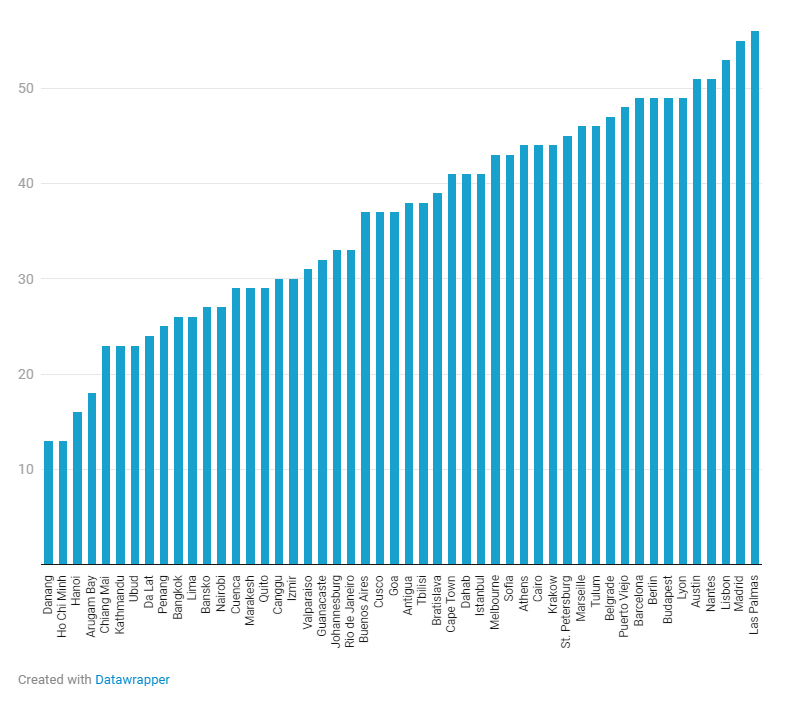
Some cities are seeing huge spikes in bookings. Lisbon is the obvious leader. AirDNA data shows occupancy there jumped 25% during the 2023 and 2024 shoulder seasons. People go there because it's cheaper than London or New York and the Wi-Fi actually works.
Other hotspots include Medellin, Colombia, and Chiang Mai, Thailand. Medellin attracts nomads with its affordable cost of living and improving safety, while Chiang Mai benefits from a long-established digital nomad community and a relaxed atmosphere. However, it’s not just these well-known hubs. Emerging destinations like Tbilisi, Georgia, and Buenos Aires, Argentina, are also seeing significant growth.
What sets these locations apart? Beyond cost of living, reliable high-speed internet is paramount. A strong sense of community is also crucial – nomads often seek out co-working spaces and social events. Lifestyle factors, such as access to nature, cultural attractions, and a favorable climate, play a substantial role. Airbtics data shows a clear correlation between cities with these attributes and increased Airbnb occupancy.
Mexico City is another prime example. It’s seen a 18% rise in Airbnb occupancy since 2022, with a particularly strong demand for one-bedroom apartments equipped for remote work. This is partly due to its proximity to the US and Canada, making it a convenient option for North American nomads.
Digital Nomad Hotspots: A Comparative Overview (2026 Outlook)
| Location | Average Airbnb Nightly Rate (USD) | Average Internet Speed (Mbps) | Cost of Living Index (NYC=100) | Estimated Digital Nomad Community Size |
|---|---|---|---|---|
| Lisbon, Portugal | Approximately $110 | Generally exceeds 100 Mbps | Around 65 | Substantial and growing |
| Medellín, Colombia | Around $75 | Typically 50-80 Mbps | Approximately 50 | Large, well-established |
| Chiang Mai, Thailand | Roughly $40 | Variable, 30-70 Mbps | Around 40 | Very large, long-standing |
| Bali, Indonesia | Approximately $60 | Ranges from 25-60 Mbps | Around 55 | Extensive and diverse |
| Mexico City, Mexico | Around $85 | Generally 60-90 Mbps | Approximately 60 | Increasing rapidly |
| Budapest, Hungary | Approximately $90 | Typically 80-120 Mbps | Around 60 | Growing steadily |
| Buenos Aires, Argentina | Around $55 | Variable, 40-70 Mbps | Approximately 45 | Significant, attracting remote workers |
| Tbilisi, Georgia | Approximately $50 | Generally 50-80 Mbps | Around 40 | Emerging, gaining popularity |
Qualitative comparison based on the article research brief. Confirm current product details in the official docs before making implementation choices.
Length of Stay: A Shift in Booking Patterns
Digital nomads are fundamentally changing Airbnb booking patterns. Traditionally, Airbnb was dominated by short-term tourist stays. Now, we're seeing a significant increase in bookings exceeding 28 days. This shift impacts revenue for hosts, creating both opportunities and challenges.
Longer stays mean reduced turnover and lower cleaning costs, but they also require hosts to consider utilities and potential wear and tear. Rabbu's analysis shows a 40% increase in bookings longer than a month in popular nomad destinations compared to pre-pandemic levels.
Pre-pandemic, the average Airbnb stay was around 3-4 nights. Now, in cities like Lisbon and Medellin, the average is closer to 7-10 nights, with a substantial proportion of stays exceeding a month. This necessitates a re-evaluation of pricing strategies and property management practices.
The amenities that actually matter
If the Wi-Fi drops during a Zoom call, the guest leaves a bad review and never comes back. You need more than just a basic router; you need a connection that handles 50Mbps minimum while three devices are running.
Dedicated workspaces are increasingly important. A comfortable chair, a desk, and proper lighting are essential. Reliable power outlets and strong air conditioning are also frequently cited as top priorities. Many nomads also appreciate access to laundry facilities, as they are often traveling with limited wardrobes.
Kitchen access is crucial, as nomads prefer to cook their own meals to save money and maintain a healthy lifestyle. Hosts who provide well-equipped kitchens will have a competitive advantage. The rise of co-living spaces demonstrates this demand – they cater specifically to the needs of remote workers by providing communal workspaces and social events.
- Fast Wi-Fi (50Mbps+)
- A real desk and a chair you can actually sit in for eight hours
- Well-equipped kitchen
- Laundry facilities
- Strong air conditioning
- Reliable power outlets
Airbnb occupancy rates have dropped in Colombia.
— BowTiedColombia 🇨🇴🌞 (@BowTiedColombia) September 26, 2023
In Medellín, the occupancy of properties rented on Airbnb has decreased by 13%, while the supply has grown by 38%.
Pricing Strategies for the Nomad Market
Hosts need to adapt their pricing to attract and retain digital nomads. Offering discounts for longer stays is a common and effective strategy. A 10-20% discount for monthly bookings can significantly increase occupancy rates and generate consistent revenue.
Dynamic pricing is also essential. Utilize data analytics to adjust rates based on seasonality, local events, and competitor pricing. AirDNA provides tools for competitive analysis, allowing hosts to optimize their rates in real-time.
Competing with co-living spaces requires focusing on value. Highlight unique amenities and personalized service. Emphasize the privacy and independence that Airbnb offers, compared to the communal living environment of co-living spaces. Successful hosts are also responding to nomad requests to offer flexible cancellation policies.
Beyond the Cities: Emerging Rural Retreats
While cities remain popular, a growing number of digital nomads are seeking quieter, more affordable options in rural areas. Destinations like the Algarve region of Portugal, the Scottish Highlands, and certain areas of Costa Rica are gaining traction.
Hosting nomads in these locations presents both challenges and opportunities. Limited infrastructure, slower internet speeds, and a lack of co-working spaces can be drawbacks. However, the appeal of nature, outdoor activities, and a slower pace of life is strong.
Hosts in rural areas need to invest in improving internet connectivity and highlighting the unique experiences their location offers. Promoting hiking trails, local farmers' markets, and cultural attractions can attract nomads seeking an authentic experience.
Impact on Local Communities: A Double-Edged Sword
The influx of digital nomads isn't without potential drawbacks. Increased housing costs, particularly in popular destinations, can displace local residents and exacerbate existing affordability issues. Strain on local infrastructure, such as water and electricity, is another concern.
Cultural clashes can also occur if nomads fail to respect local customs and traditions. It's crucial for communities to proactively manage the growth of digital nomad populations and ensure that tourism benefits local residents.
Successful communities are implementing policies to address these challenges, such as investing in affordable housing, improving infrastructure, and promoting responsible tourism. Community engagement and open dialogue are essential for fostering a positive relationship between nomads and locals.
Content is being updated. Check back soon.
No comments yet. Be the first to share your thoughts!