
The human cost of climate change
Climate change isn’t a distant threat; it's actively reshaping where people live. We're already seeing significant outward migration from regions increasingly impacted by rising sea levels, more frequent and intense extreme weather events, and prolonged droughts. The UN estimates that environmental factors are contributing to displacement, and these numbers are only expected to grow. It’s not about future predictions anymore – it's about responding to a trend that's happening now.
Areas like the Louisiana coastline in the US, and low-lying island nations are experiencing some of the most dramatic effects. But the impact isn’t limited to coastal regions. Prolonged droughts in the American Southwest and parts of Africa are forcing communities to relocate in search of water and arable land. This isn't random movement, it's often a forced response to conditions that make sustaining life in those areas increasingly difficult.
The term 'climate migration' describes people moving due to climate events, and it's a growing factor in where populations settle. Understanding this shift is important for real estate investors, as people will always need housing, especially when their original homes become unlivable.
The scale of this migration is immense. But beyond the humanitarian aspect, there's an economic reality: where people move, housing demand follows. This creates opportunities in the short-term rental market for those who analyze the data and position themselves strategically.
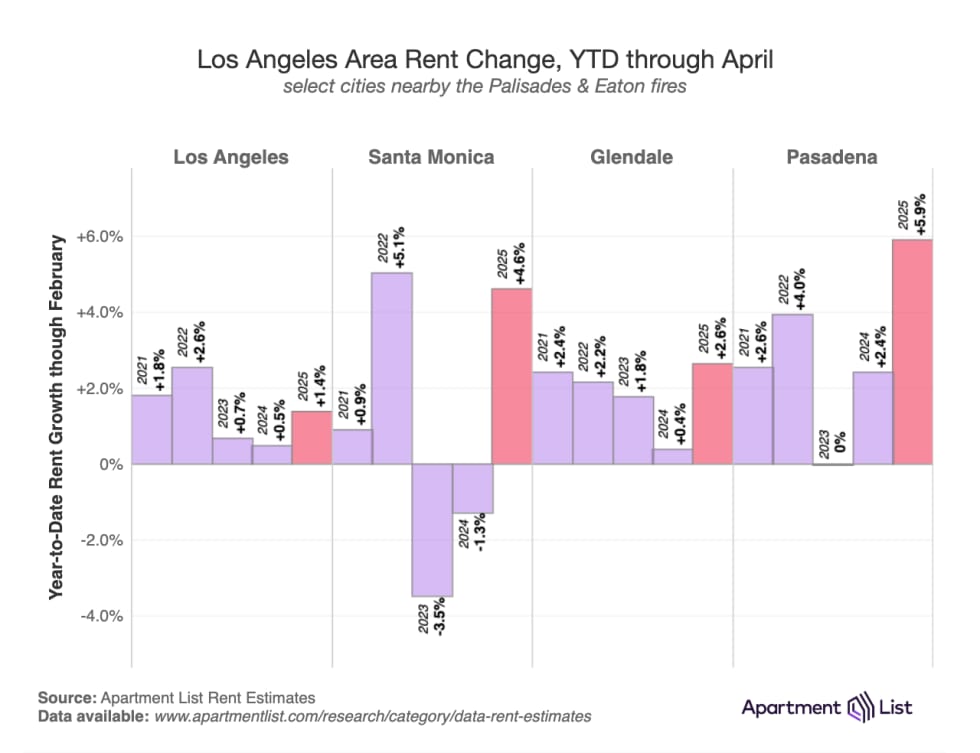
Migration and rental demand
The link between climate migration and short-term rental demand might not be obvious, but it's significant. Unlike discretionary tourism, climate migrants relocate out of necessity. This creates a different demand, not tied to peak seasons or typical vacation spots.
Many climate migrants aren't moving permanently at first. They might be exploring new areas, seeking jobs, or waiting for conditions to improve back home. This need for flexible housing is where short-term rentals come in, offering a temporary landing spot during major life decisions.
This demand differs from typical vacation rentals. While tourism fluctuates, climate migrant demand is likely more consistent, potentially year-round in some areas, leading to more stable occupancy for owners. Functionality and practicality become more important than traditional tourist amenities.
Tools like AirDNA help track these shifts. Their data analytics let investors identify areas with growing demand, monitor occupancy, and understand pricing. You can see where people are actually going, not just where experts predict they will. It's about following the data.
- AirDNA Capabilities: Tracks occupancy rates, average daily rates (ADR), and revenue trends.
- Data-Driven Insights: Helps identify emerging markets and potential investment opportunities.
- Competitive Analysis: Allows investors to compare properties and optimize pricing strategies.
Emerging Short-Term Rental Markets Impacted by Projected Climate Migration (2026)
| City | Climate Vulnerability | Current STR Market Size | Projected Migration Inflow | Investment Potential |
|---|---|---|---|---|
| Asheville, NC ⛰️ | Medium | Medium | Medium | Strong - Growing demand driven by outdoor lifestyle and milder climate. |
| Boise, ID 🏞️ | Medium | Medium | High | Very Strong - Attracting residents from hotter/drier states, increasing demand. |
| Chattanooga, TN 🏞️ | Low | Small | Medium | Good - Emerging market with increasing popularity and affordability. |
| Buffalo, NY ❄️ | Medium | Small | Medium | Moderate - Potential for growth as Great Lakes region becomes more resilient. |
| Portland, ME 🦞 | Low | Medium | Medium | Good - Coastal city offering a different lifestyle, attracting those seeking cooler temperatures. |
| Albuquerque, NM 🏜️ | High | Small | Low | Moderate - While facing climate challenges, affordability could attract some migration. |
| Madison, WI 🧀 | Low | Medium | Low | Stable - Consistent demand with a relatively stable climate outlook. |
Illustrative comparison based on the article research brief. Verify current pricing, limits, and product details in the official docs before relying on it.
Emerging US markets
The Sun Belt – states like Florida, Arizona, Texas, and the Carolinas – is seeing a large influx of people, with climate migration as a major driver. These states offer warmer climates, lower taxes, and growing economies, attracting those escaping more volatile environments. However, the opportunity isn't uniform; specific cities within these states are experiencing the most dramatic shifts.
Florida: While facing its own climate risks (sea level rise, hurricanes), inland Florida is attracting residents from the coast and other states. Cities like Orlando and Jacksonville are seeing increased demand. AirDNA data shows Orlando currently has an occupancy rate around 78% with an average daily rate of $185. This translates to a strong potential ROI for well-managed properties, but insurance costs are a major consideration.
Arizona: The Phoenix metropolitan area is experiencing rapid growth, driven in part by people leaving California due to drought and wildfires. Occupancy rates in Phoenix are around 72%, with an ADR of $150. However, water scarcity is a long-term concern that investors need to factor into their calculations. It’s not just about today’s numbers; it's about sustainability.
Texas: Texas, particularly cities like Austin, San Antonio, and Dallas, is attracting residents from both coastal states and other parts of the country. Austin boasts an impressive 75% occupancy rate and an ADR of $200. The state’s robust economy and relatively affordable housing (compared to California) are key draws. But be aware of potential strains on infrastructure as the population continues to grow.
North Carolina: Cities like Charlotte and Raleigh are benefiting from an influx of people seeking a milder climate and a lower cost of living than many other parts of the country. Occupancy rates in Charlotte are around 70%, with an ADR of $140. The Research Triangle area, with its strong job market and educational institutions, is particularly attractive.
South Carolina: Charleston and Greenville are experiencing similar trends to North Carolina, with a growing population and a rising demand for short-term rentals. Charleston currently has a 68% occupancy rate and an ADR of $170. The state's coastline and historic charm are major attractions, but coastal properties face increased risk from hurricanes and flooding.
Essential Tech for Your Next Short-Term Rental Investment

Keyless entry with your smartphone · Control and monitor your door remotely · Works with Alexa and Google Assistant
This smart lock allows you to grant access remotely, perfect for managing properties from afar.

Monitors noise, occupancy, motion, and temperature · Helps ensure guest compliance with rental rules · Provides real-time alerts
Keep an eye on your property's conditions and guest activity without being intrusive, ensuring peace of mind.

1080p HD video with color night vision · Two-way audio for communication · Indoor/outdoor use with weather resistance
A budget-friendly security camera that offers clear visuals day and night, plus two-way audio for guest interaction.

Guides on scaling from one to over 40 rentals · Practical lessons learned in the short-term rental industry · Actionable advice for investors
This handbook offers invaluable insights from an experienced investor, crucial for navigating the complexities of scaling your portfolio.
As an Amazon Associate I earn from qualifying purchases. Prices may vary.
International markets to watch
Climate migration's impact isn't limited to the US. Several countries see similar demographic shifts, creating opportunities for international investors. However, investing abroad adds complexity, including regulatory hurdles, currency fluctuations, and cultural differences.
Spain: Inland regions of Spain are attracting people from coastal areas threatened by sea level rise and increased storm surges. Cities like Madrid and Valencia are seeing increased demand for rental properties. While data is harder to come by than in the US, anecdotal evidence suggests a growing market for short-term rentals in these areas.
Portugal: Similar to Spain, Portugal is experiencing internal migration from coastal areas to the interior. Lisbon and Porto are popular destinations, but smaller cities are also gaining traction. The country’s relatively affordable cost of living and welcoming attitude towards foreigners make it an attractive option.
Italy: Italy faces similar challenges with coastal erosion and extreme weather events. Cities like Rome and Florence continue to be popular, but inland regions are also attracting attention. Italy’s complex bureaucracy and tax system require careful navigation.
Mexico: While Mexico is a popular tourist destination, inland cities like Guadalajara and San Miguel de Allende are attracting residents from coastal areas impacted by hurricanes and rising sea levels. The lower cost of living and proximity to the US are key draws. However, safety and security concerns need to be addressed.
Investment risks
Investing in areas experiencing climate migration isn't without risk. It's crucial to go beyond the potential ROI and carefully assess the downsides. Increased insurance costs are a major concern, particularly in areas prone to extreme weather events. Properties in flood zones or hurricane-prone areas will likely see premiums skyrocket.
Stricter regulations on short-term rentals are also a possibility. As climate migration increases, local governments may respond with measures to control the market, such as limiting the number of permits or imposing stricter zoning laws. Proactive research into local ordinances is essential.
Infrastructure limitations can also be a problem. Rapid population growth can strain existing infrastructure – roads, schools, utilities – leading to congestion and reduced quality of life. This can negatively impact property values and rental demand. It’s important to assess the capacity of local infrastructure to handle future growth.
Finally, migration patterns can shift. Climate models are constantly evolving, and unexpected events can alter the trajectory of migration. Investing based on current trends doesn’t guarantee future success. Thorough due diligence, including local market research and expert consultations, is paramount. Tools like Mashvisor can help with property analysis, but they shouldn't be the sole source of information.
- Insurance Costs: Assess potential increases due to extreme weather.
- Regulations: Research local ordinances regarding short-term rentals.
- Infrastructure: Evaluate the capacity of local infrastructure to handle growth.
- Migration Patterns: Stay informed about evolving climate models and potential shifts.
Calculating potential returns
Let’s look at a hypothetical scenario in Austin, Texas. Assume you purchase a 2-bedroom condo for $400,000. Property taxes are 1.8%, insurance is $2,000 per year, and maintenance costs are estimated at $3,000 per year. Based on AirDNA data, the average daily rate is $200 and the occupancy rate is 75%.
This translates to a gross annual rental income of $54,750 (365 days x $200 x 0.75). Subtracting expenses – property taxes ($7,200), insurance ($2,000), and maintenance ($3,000) – leaves a net operating income (NOI) of $42,550.
The cap rate, calculated as NOI divided by property value, is 10.64% ($42,550 / $400,000). This is a relatively strong cap rate, indicating a good potential return on investment. However, it’s crucial to factor in potential appreciation and depreciation, as well as financing costs if you’re using a mortgage. It’s also important to remember that these are estimates, and actual results may vary.
Now consider a similar scenario in Lisbon, Portugal. A comparable property might cost $300,000, with lower property taxes (0.8%) but potentially higher maintenance costs ($4,000). Assuming an ADR of $150 and an occupancy rate of 70%, the ROI will likely be lower, but the lower purchase price can offset this. A rental property calculator is essential for comparing these scenarios and making informed decisions.
Looking ahead
Climate migration patterns will continue to evolve as climate change intensifies. We're likely to see new hotspots emerge as certain regions become increasingly uninhabitable. Areas with reliable water resources and moderate climates will likely become even more attractive. The role of technology will also be crucial.
Advancements in climate modeling and disaster prediction will allow investors to better assess risk and identify emerging opportunities. Real-time data on sea level rise, drought conditions, and wildfire risk will become increasingly valuable. Government policies will also play a significant role, with potential incentives for investing in climate-resilient properties.
The demand for flexible housing options will likely increase as climate migration accelerates. Short-term rentals will continue to play a vital role in accommodating this demand. However, investors need to be prepared to adapt to changing regulations and market conditions. It’s not about predicting the future with certainty; it’s about being prepared for a range of possibilities.
This is a complex issue with no easy answers. But by combining data-driven analysis with a long-term perspective, investors can navigate the challenges and capitalize on the opportunities presented by climate migration. Understanding the trends, assessing the risks, and adapting to changing conditions will be key to success.
No comments yet. Be the first to share your thoughts!